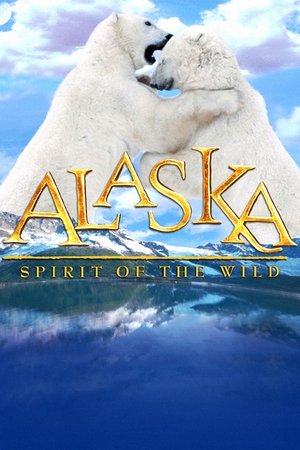
Come fly with us in OVER ALASKA as we take off on a breathtaking tour of our 49th state. Soar over Mt. McKinley and through the craggy crevasses of electric blue glaciers. Follow the Iditarod and kayakers as they navigate past icebergs. Then touch down to Earth and get as close to bears, whales and wildlife as humanly possible.
Alaska... Here, in this vast and spectacularly beautiful land teeming with abundant wildlife, discover the "Spirit of the Wild." Experience it in the explosive calving of glaciers, the celestial fires of the Aurora Borealis. Witness it in the thundering stampede of caribou, the beauty of the polar bear and the stealthful, deadly hunt of the wolf pack.
A once-lost silent documentary from the late 1920s, “P. E. Harris & Company: An Aleutian Adventure” chronicles a journey to Alaska’s remote Aleutian Islands. Commissioned by a Seattle-based cannery company, this rare film captures stunning maritime landscapes and the daily life of workers in an early 20th-century cannery operation. Preserved from original 35mm nitrate prints and undergoing full restoration in 2K, the film offers a rare visual record of American industrial and environmental history.
A documentary propaganda film produced by the U.S. Army Signal Corps about the Aleutian Islands Campaign during World War II. The film opens with a map showing the strategic importance of the island, and the thrust of the 1942 Japanese offensive into Midway and Dutch Harbor. Nominated for the Academy Award for Best Documentary Feature.
Follows the story of "Grizzly Man" Timothy Treadwell and what the thirteen summers in a National Park in Alaska were like in his attempt to protect the grizzly bears. The film is full of unique images and a look into the spirit of a man who sacrificed himself for nature.
First Descent is a 2005 documentary film about snowboarding and its beginning in the 1980s. The snowboarders featured in this movie (Shawn Farmer, Nick Perata, Terje Haakonsen, Hannah Teter and Shaun White with guest appearances from Travis Rice) represent three generations of snowboarders and the progress this young sport has made over the past two decades. Most of the movie was shot in Alaska.
The documentary follows a crew of snowboarders for six weeks in the Chugach mountains, and showcases what it takes to ride these unique Alaskan mountains: the waiting, the stress, the dangers, everything that goes into it and is usually never shown. It also retraces some of the history of this unknown discipline and pays tribute to the pioneers. But the film really focuses on the human aspect and why these people do what they do.
Hockeytown follows the journey of the once vibrant hockey community of Anchorage, Alaska attempting to reenergize a city that was broken by the loss of its professional and college teams. The North American Hockey League gives Anchorage the green light to move forward with the creation of an expansion team. The journey of finding boys and coaching them into men takes unexpected twists and turns, but ultimately leads them to the national championship.
The sequel of feature-publicistic film «You Can’t Live Like That». Showing the countrymen charmless and sometimes scaring life picture of once great power with pain and anger, the author tries to uncover the reason of the country’s and nation’s tragedy.
In 1867, when the United States purchased the Alaska territory, the promise of the Constitution and the Bill of Rights didn't apply to Alaska Natives. Their struggle to win justice is one of the great, untold chapters of the American civil rights movement, culminating at the violent peak of World War II with the passage of one of the nation's first equal rights laws.
The wildlife of the tundra on Alaska's north coast is particularly threatened by climate change.
This film shows the splendor, enormous scope and indescribable beauty of this untouched land far to the north of Alaska, one of the last havens for caribou herds and polar bears. Shot over a period of four years, this film offers a unique insight in the lives of the most charismatic arctic animals.
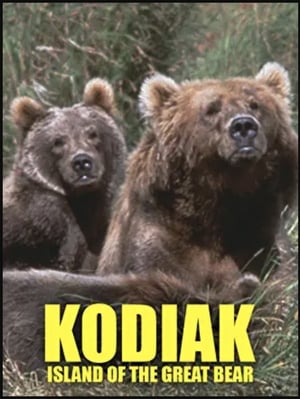
Even in a spot as remote and wild as Alaska's Kodiak Island, the struggle between man and nature continues. Wildlife filmmaker Wolfgang Bayer presents this tug-of-war from both the human and bear perspective. Taking viewers inside a Kodiak bear's den and providing an inside glimpse of the great carnivore's daily life, Bayer reveals the bears' fight for survival in the face of a shrinking habitat and often tragic encounters with humans.
More than 7,000 km from his home in the Jura Mountains, Sébastien dos Santos Borges is taking seventeen of his dogs on an extraordinary adventure between Yukon and Alaska, following in the footsteps of the adventurers of the Far North. He is one of the most respected mushers in the world and is preparing to set off on the Iditarod Trail Sled Dog Race, one of the most difficult dog sled races. An expedition into the heart of the wilderness, where the relationship between man and animal is essential to triumph over the cold.
Captain Kleinschmidt leads an expedition sponsored by the Carnegie Museum to the arctic regions of Alaska and Siberia to study the natives and the animal life.
Anchorage capital city of Alaska is the wildest city on Earth thanks to its dramatic wildlife. Alongside 260,000 people are up to 1,000 moose, 200 black bears and 60 grizzlies as well as large numbers of beavers, ravens and eagles. Managing this urban menagerie is all in a day's work for rangers Rick and Jesse. They believe that people and large dangerous animals can live in one city and through the groundbreaking Alaska Fish and Game project they're determined to prove it.
Created from public television's popular Over series, this is a tour unlike any other! Fly above landscapes and landmarks in Alaska; the Pacific Northwest; California; the Southwest; Chicago; New York City; Washington, D.C.; and everywhere in between.
A family decides to move to the most remote place they can find and live for as long as they can. This is the true story of a family living off the land in remote Alaska with no modern tools or 'luxuries' (except a movie camera!). This documentary is a year in their life.
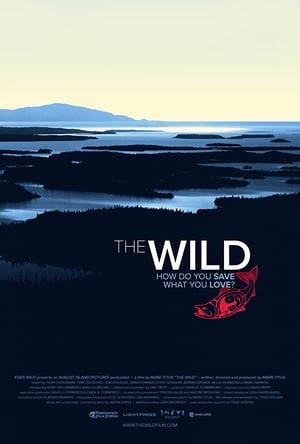
Newly into addiction recovery, an urgent threat emerges to spur filmmaker, Mark Titus back to the Alaskan wilderness - where the people of Bristol Bay and the world's last intact wild salmon runs face devastation if a massive copper mine is constructed.
In Canada and Alaska, the consequences of global warming are being keenly felt by brown bears - but in different ways by different populations. Their survival depends mainly on the quantity of wild salmon available in the region, as it is the fruit of their catch that enables the bears to accumulate fat reserves for the winter. While salmon populations off Canada's Pacific coast continue to decline year after year, in the immense Bristol Bay in western Alaska, as well as on Kodiak Island, they are increasing considerably. The water temperature in the North Pacific is now ideal for salmon development. From Canada to Alaska, the documentary follows different bear populations over a two-year period.