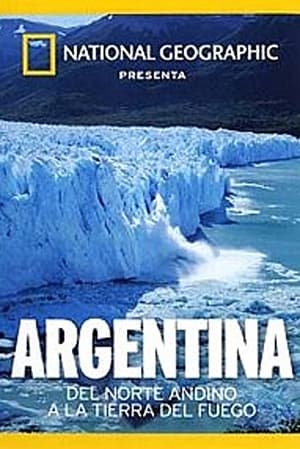
Argentina: Del Norte Andino a la Tierra del Fuego
In 1940 twenty Canadian Beavers were brought to 'Tierra del Fuego' island in southern Patagonia for commercial fur production. However, beavers having no natural predators, quickly spread throughout the island, causing massive destruction of trees threatening the entire Patagonian forests rivers and species. Why wildlife conservationist are convinced that 150.000 beavers must be killed? Why some of the most recognized specialist are convinced that an eradication is not possible? Meanwhile truism is capitalizing on the situation: a man dressed as a beaver passes out flyers promoting a famous sky resort: 'Cerro Castor' - Beaver Hill. Hunters claim for subsidies, scientists are researching, rangers do what they can and restaurants tray to offer beaver meat to tourist.
In the southernmost place in the world live the Yámanas, who survived and developed in one of the most inhospitable climates in the world. Today on the brink of extinction, its oldest survivors Úrsula and Cristina Calderón, invite us on a journey through its history, its myths, its language and its landscape. They are the last Footprint.
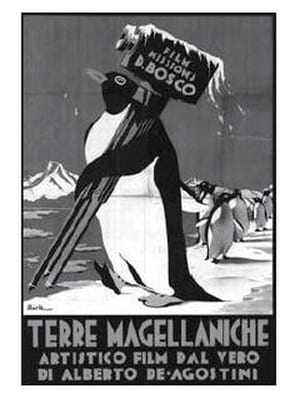
The film Terre Magellaniche represents the fruit of multiple and risky trips that the explorer Alberto M. De Agostini made in the Patagonian mountain range and in the Tierra del Fuego archipelago. Executed with rare mastery and exquisite artistic sense, the film shows the explorer in the labyrinth of Patagonian channels, penetrating the deep fjords between large masses of floating ice of curious shapes, coming from the immense glaciers that descend from the Cordillera and bathe its frontal walls on the waters of the sea. Transported to regions of extraordinary beauty, situated in front of gigantic mountains, from which majestic waterfalls rush, the viewer experiences the illusion of finding themselves in a mysterious kingdom of dream and enchantment.
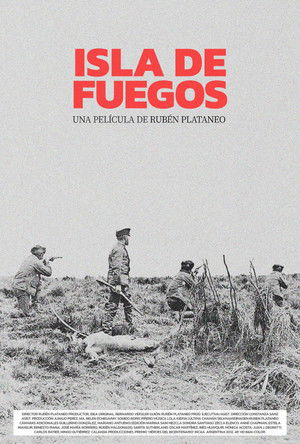
The Island is a real territory, as well as a metaphorical one, a synthesis of the country and of civilization, of progress and injustice. An intensive expression of the human effort to overcome adversity.
Diary of Tierra del Fuego, Antarctica and the South Atlantic Islands, the southernmost province of Argentinia. European sailors began to call it Tierra del Fuego when they saw the large bonfires that illuminated the mountains. It is said that they were lit and maintained throughout the year by the Selk'nam, the Yámanas and Alacalufes, natives of the region, to protect themselves from the extreme temperatures. In this brief dieary some characteristic specimens of the flora and fauna of the province, its landscapes and a stay in Tolhuin were recorded.
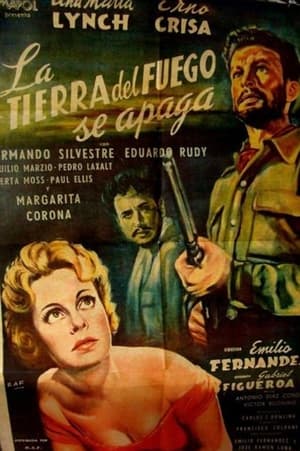
In the faraway lands of the south of the Patagonia, in a town made up of wrongdoers and thieves, a mysterious and solitary man takes a prostitute to live with him at his ranch. However, her past follows her, and he is forced to face it head on.
Golden hour in the fields and who better for a soundtrack than the Queen of Disco - Sophie Ellis Bextor in her full performance from Kendal Calling 2025! Directed by John Surdevan.
Set against the backdrop of the reconstruction of the Baima villages in Pingwu, the film follows the daily lives of four sisters and their family in the Baima Eri Village. Interwoven with memories from two decades ago, it traces their journey of resilience and renewal amid the sweeping changes of the times. Through their personal stories, the film also reveals the living heritage of the Baima Tibetan culture — its legends, songs, dances, language, and the traditional ritual of Cao Gai — offering a poetic reflection on identity, endurance, and the passage of time.
Utopías y otras especies
Capturing the Electrons documents the life and career of Nobel Prize-winning Hungarian physicist Ferenc Krausz. His research team has generated and measured the first attosecond light pulse and used it for capturing electrons' motion inside atoms, marking the birth of attophysics. In 2023, jointly with Pierre Agostini and Anne L'Huillier, he was awarded the Nobel Prize in Physics.
Since 1964, Tjorven, Båtsman, Uncle Melker, and Malin have lived in the hearts of generation after generation. In this short look back, we follow the journey from the children’s nervous screen tests to life behind the camera on the archipelago island where a TV classic took shape.
“Cinema, Poetry, and Trains in Tîrgu Neamț” might serve as the subtitle for this film, which Copel Moscu composes in a deliberately atomised manner, capturing the rhythm of a small provincial town in late-1980s Romania: cinema as escapism, pouring rain à la George Bacovia, and a vague love story between a woman projectionist and a railwayman come one after the other over the course of this somewhat comical elegy, whose meanings do not achieve the poignant depths of Moscu’s other films.
Set in the Rann of Kachchh, this documentary explores the life and music of the late folk poet Mushir Ali, whose songs reflect themes of love, spirituality, and the ephemeral nature of life. Through his verses and the desert’s vastness, the film captures the mystical Sufi traditions that thrive in this remote region.
A Turkish woman in Brighton shares her visual diary. Witness her ups and downs, her intimacy and vulnerability. After revealing hers, the film invites you to confront your ‘tiny little things’. It presents a slice-of-life experience with an abstract flow and deals with one’s existence in this world. There is no escape from family and the things in your mind, even if you are thousands of miles away. The meaning changes constantly, and the camera becomes the extension of her mind. And somebody put that voice in her brain.
The Forgotten President: Kim Young-sam's Era of Reform
La gran bogeria (Joan Dausà)
FORESTELLA THE WAVE IN CINEMA
Why must a woman change her surname after marriage or divorce? This autoethnographic film explores the issue of women’s changing surnames in Turkey. Some women have taken their cases to the European Court of Human Rights to defend their legal and personal identities. What do men think about this? How do women feel? And what unfolds between the lines of these everyday experiences? The film seeks to make these struggles and emotions visible.
The life of Shona mbira player Gwanzura Gwenzi coexists in both the traditional and modern worlds: he works in the city for a large western corporation; at his rural homestead, he is the family head who hosts all-night spirit ceremonies, called bira. His sister Francisca is the family medium for the spirit of Kaodza, their great-grandfather. The highlight and centerpiece of the film is a bira, perhaps the only one ever completely captured on film. We see the various stages and liturgical components of the ceremony, culminating in the arrival of the spirits late at night. Francisca’s daughter, now-famous mbira player Stella Chiweshe becomes possessed by a snake spirit. Kaodza arrives through Francisca, and the family confers with the spirit in an extraordinary scene that shows how ancestors interact with the living. (Description credit: Villon Films)