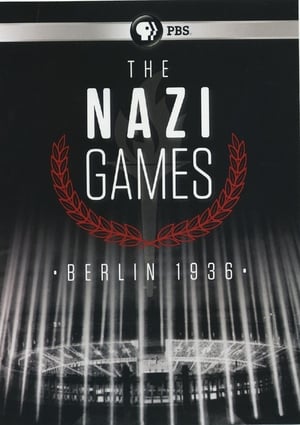
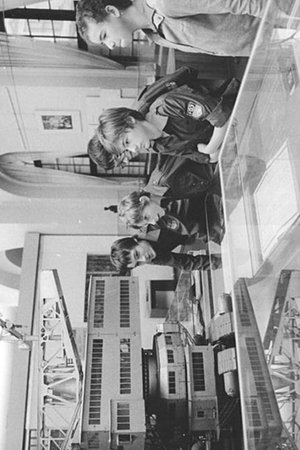
The architectural plans for Berlin from 1938 are used as an example to illustrate the fascist claim to power and its aesthetic effect. The basis for this was the "General Building Inspection" under the direction of Albert Speer, whose enormous projects are illustrated by planning models and archive photographs.
Hitlers Sista Dagar
A day in the city of Berlin, which experienced an industrial boom in the 1920s, and still provides an insight into the living and working conditions at that time. Germany had just recovered a little from the worst consequences of the First World War, the great economic crisis was still a few years away and Hitler was not yet an issue at the time.
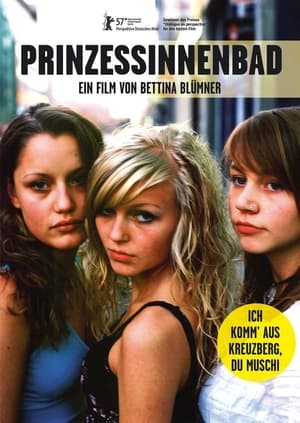
A film about three teenagers - Klara, Mina and Tanutscha - from the Berlin district of Kreuzberg. The trio have known each other since Kindergarten and have plenty in common. The three 15-year-olds are the best of friends; they are spending the summer at Prinzenbad, a large open-air swimming pool at the heart of the district where they live. They're feeling pretty grown up, and are convinced they've now left their childhood behind.
German TV film, also shown on Spanish TV in 1976, this is a film all about TD which includes informal interviews and concert/studio footage, most of which seems to have been done exclusively for the film. The interviews are in the German language. The street name in the title refers to where Edgar Froese used to live in Berlin (apparently Klaus Schulze lived on the same street at the time) and is now the site of the TDI offices.
The incredible story of Bruno Lüdke (1908-44), the alleged worst mass murderer in German criminal history; or actually, a story of forged files and fake news that takes place during the darkest years of the Third Reich, when the principles of criminal justice, subjected to the yoke of a totalitarian system that is beginning to collapse, mean absolutely nothing.
This lost classic, shot on 16mm in a wintry Berlin in 1993, explores the origins of the German trance scene. Featuring interviews with fresh-faced selectors including Laurent Garnier and MFS Records founder Mark Reeder, the documentary also feature footage from the city's iconic Love Parades in 1991 and 1993.
The documentary deals with the subject of "big city noise" in a humorous and satirical, but also serious way, using the example of East Berlin, whereby the main focus is on noise that disturbs peace and quiet, i.e. noise that can be avoided, such as recklessly listening to loud music and watching television, clearly audible inner-family communication, dogs barking, nocturnal DIY work, rapid braking and honking of vehicle horns, etc. With the help of animations/animated scenes, the film vividly demonstrates the widespread interpersonal bad habits.
Ahead of releasing 'Idols', his most personal album to date, and before anyone had heard a note, Yungblud and his touring family travelled to Berlin, where he would perform and record these brand new songs live for the very first time. A personal journey of change, confidence and rock-and-roll chaos, set against a city that has always celebrated counterculture and creativity, this is a revealing and uncompromising documentary about a generational artist finding his own voice.
Documentary examines the history and evolution of the Olympic Games, taking a close look at the Olympic charter, oath and ideals. Also featured are rare home movies and interviews with Olympic athletes and the oldest known color footage of the Olympic Games from Berlin in 1936.
They are known as "shock activists", surprising again and again with radical-provocative, often illegal art actions. Up-close insights into the work of the artist collective and the Berlin graffiti scene.
Former "Titanic" satire magazine editor Martin Sonneborn takes an undercover trip around Berlin and discovers the East-German mentality and what is left of the socialist German Democratic Republic.
Filmmaker Ester Martin Bergsmark interrogates their response to a transphobic slur hurled at them following their move to Berlin. Exploring the root of violence and its nature, this is a powerful meditation on the trans experience and a treatise on how to move forward from fear.
The original Tresor was in many ways the quintessential Berlin club: located in an unrenovated vault beneath a bombed out department store, it opened its doors amidst the general confusion and ecstasy that swept across the city when the wall fell. Its low ceilings, industrial decor and generally unhinged atmosphere created an unprecedented platform not only for techno in Berlin, but also for the scene taking shape across the Atlantic in Detroit.
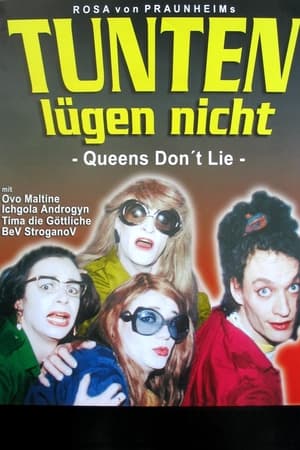
Bosom buddies BeV StroganoV, Ovo Maltine, Ichgola Androgyn and Tima die Göttliche are four Berlin drag queens who met in the mid 1980s. These four queens became Germany’s most popular drag performers and have been busy fertilizing the German cultural scene. Besides being performers, they are also political activists – in AIDS awareness, anti-gay violence, the sex workers movement and the struggle against the extreme right and racism. The film tells their story.
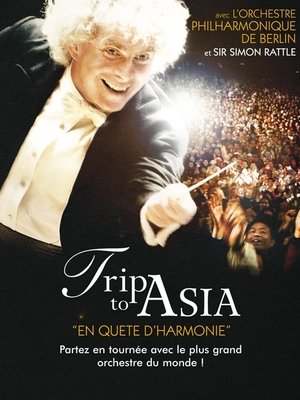
Journey with the musicians of the Berlin Philharmonic and their conductor Sir Simon Rattle on a breakneck concert tour of six metropolises across Asia: Beijing, Seoul, Shanghai, Hong Kong, Taipei and Tokyo. Their artistic triumph onstage belies a dynamic and dramatic life backstage. The orchestra is a closed society that observes its own laws and traditions, and in the words of one of its musicians is, “an island, a democratic microcosm – almost without precedent in the music world - whose social structure and cohesion is not only founded on a common love for music but also informed by competition, compulsion and the pressure to perform to a high pitch of excellence... .” Never before has the Berlin Philharmonic allowed such intimate and exclusive access into its private world.
The film accompanies Jenny Gröllmann, a German actress, during the last two years of her life.
A documentary focusing on the rebuilding projects in Berlin after the fall of the Berlin Wall.
Julia is a young transgender woman who left her home country of Lithuania. Now living in Germany, she walks the streets of Berlin, working as a prostitute to survive. This documentary revisits Julia over a ten-year period of her life.
Berlin Kidz is a limited underground DVD, offering you 90 minutes of pure Adrenaline. The DVD features dangerous graffiti actions in enormous heights and is also giving insight into Berlin’s train-surfer scene which has been kept underground for many years.