When his ne'er-do-well brother embezzles the commissary funds of their cavalry unit stationed in the Sudan, a British soldier takes the blame for him. He winds up deserting his post and joining up with a traveling vaudeville troupe. He falls in love with a pretty young woman in one of the show's acts but finds that a local Arab sheik has his own plans for the young girl.
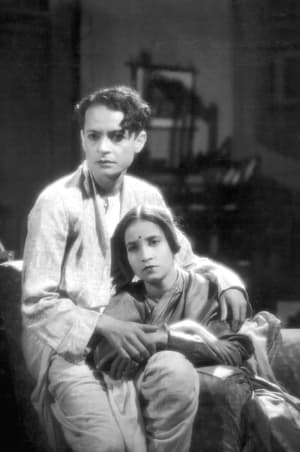
Devdas, the son of a zamindar, and Parvati, his neighbour's daughter, are childhood sweethearts. However, class and caste differences prevent their marriage. Devdas is sent off to Calcutta, while Paro is married off to an aged rich widower. In Calcutta, as remorse drives him to alcohol, Devdas meets Chandramukhi, a prostitute. All Indian prints of this Bengali version were destroyed in a fire that ravaged New Theatre’s studios. Today, only one copy of the film survives which belongs to the Bangladesh Film Archives. Of that copy almost forty percent is destroyed.
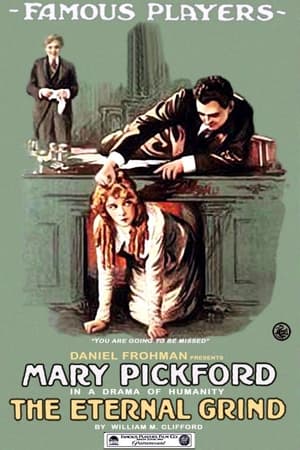
Louise (Pickford) is a sewing-machine girl in a sweatshop in New York City. She lives together with her sisters Amy (Loretta Blake) and Jane (Dorothy West) and are all deprived by bad conditions at work and sickness. Louise tries for the three of them to survive and regards herself as the keeper of her sisters. Meanwhile, she stands up to her bosses and complains about the dreadful circumstances they work in. When Amy is seduced by the son of the shop-owner, Louise butts in and stops the romance. He eventually abandons Amy and becomes seriously injured in a cave-in. Louise has a secret crush on the son herself and tries to rescue him, hoping he will admit he loves her. The film is inspired by the Triangle Shirtwaist Factory fire, which took place in 1911. The only version of the film is a nitrate print in the Cinematheque Francaise, but only the first half remains.
A popular silent action-adventure film in 8 episodes released from 1914-1916. Directed by Aleksandr Chargonin et al., the series is only partially preserved.
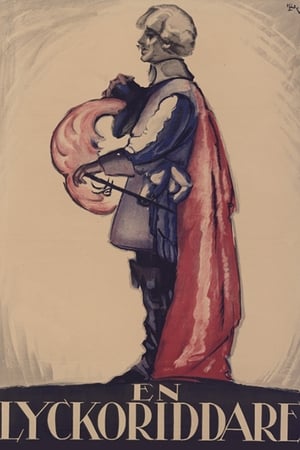
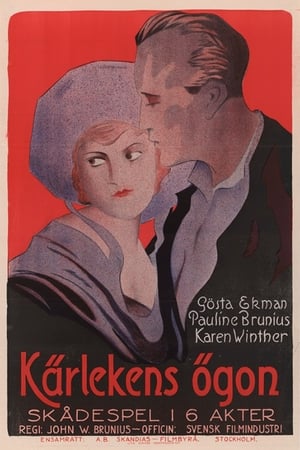
Historical drama which features Gösta Ekman as the dashing rogue who steals the heart of the ethereal Mary Johnson.
The criminal couple Louise Kent and Charles Zukor stages a coup in the luxury restaurant Oriental. In the midst of a dance number goes suddenly all the lights out. In the confusion that arises one of the elegant guests is deprived of her jewelry.
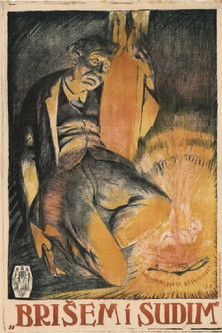
Brišem i sudim is a Croatian film. Only one minute of the film is saved.
Mere years could not kill the overwhelming love which lay dormant in Lorenz's heart, though Florence was now the wife of another.
Buck and Charlie, two hard-boiled cowboys, arrive at the Bar Nothing Ranch in Arizona and determine to take advantage of the peculiarity of the owner, Fred Saunders, known as "Lone Hand" because he never uses his right hand.
The love affair between King Alfonso VIII of Castile and Rahel la Fermosa, a Jewish woman.
When anarchist bombs disrupt the engagement ball of Princess Marie Pavlovna, her fiancé, Prince Michail Koloyar, helps her to escape in a carriage. Then Theo Kameneff, secretly in the pay of a foreign government, becomes dictator and, desiring the princess, issues an edict that all women between the ages of seventeen and thirty-two must register and become state property.
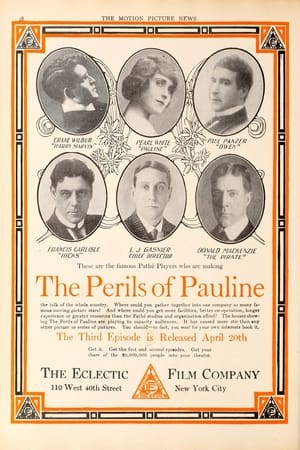
The Perils of Pauline is a motion picture serial shown in weekly installments featuring the actress Pearl White playing the title character. Pauline has often been cited as a famous example of a damsel-in-distress, although viewers will find her character more resourceful and less helpless than the classic 'damsel' stereotype. Nine episodes (from a condensed 1916 re-release) survive to this day.
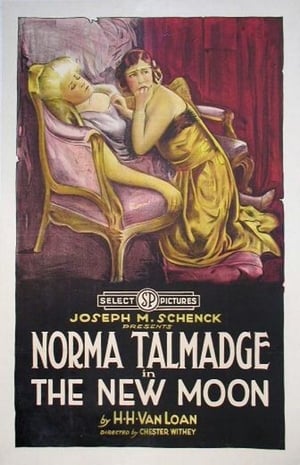
Popular actress Violet Ray endures an abusive, alcoholic husband, Jim, for the sake of their deceased child's memory. She finds solace in an innocent friendship with Mabel Wright, a 10-year-old florist's daughter who brings her violets daily. A persistent suitor, Alec Lang, urges Violet to leave Jim for him. After Mabel is hit by a car and hospitalized, her father delivers a final bunch of violets and a message to Violet. This act of devotion rekindles Violet's sense of duty and "wifely love," prompting her to reject Alec and commit to remaining true to her daughter's memory while at Mabel's bedside.
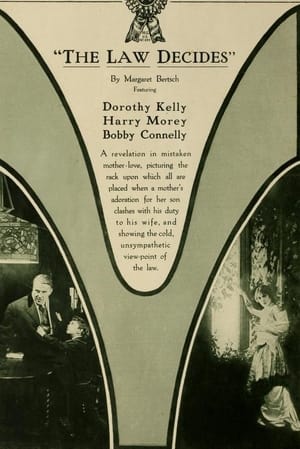
Struggling to support their six children, John Moore and his wife accept a wealthy relative's offer to adopt one of them in exchange for a lifetime of comfort. However, after the father drives the oldest daughter away, the mother's immediate remorse prompts the father to turn around, joyfully reuniting the family.
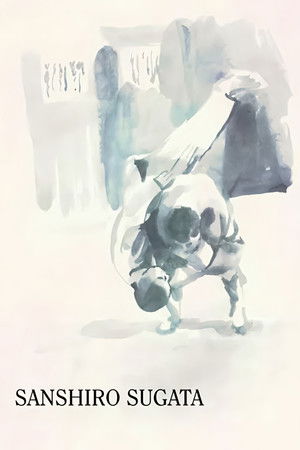
A hotheaded youth in 1880s Meiji Japan apprentices to judo master Shōgorō Yano, trading brute jujutsu bravado for discipline and humility. As Sanshirō matures, he proves judo’s spirit against old-guard challengers—including a deadly duel—while falling for his vanquished opponent’s daughter. Based on the novel by Tsuneo Tomita, son of Tomita Tsunejirō, the earliest disciple of judo.
A couple of boy gangs in Budapest constantly fight over the neighborhood turf.
Famous Russian screen actors play themselves in this drama about the lives of actors. Thirteen minutes of the film survive.
A beautiful young woman is a daring master thief. She meets the young millionaire Thomas Babbington Norton, while fleeing from the scene of her latest theft.
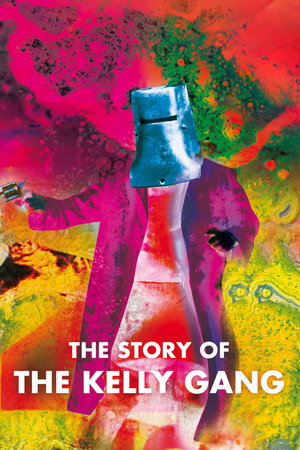
Just as Galeen and Wegener's Der Golem (1915) can be seen as a testament to early German film artistry, The Story of the Kelly Gang (1906) symbolizes both the birth of the Australian film industry and the emergence of an Australian cinema identity. Even more significantly, it heralds the emergence of the feature film format. However, only fragments of the original production of more than one hour are known to exist, preserved at the National Film and Sound Archive, Canberra; Efforts at reconstruction have made the film available to modern audiences.
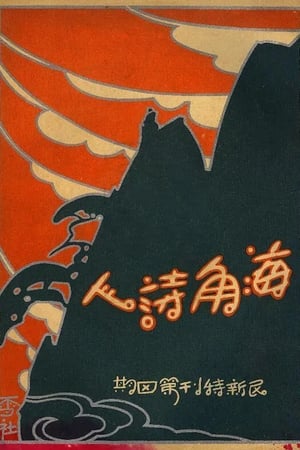
Hou Yao wrote, directed and starred in A Poet from the Sea (1927). It was shot in Stanley, Hong Kong. The surviving copy was only 23-minute long, but Hou Yao's romantic side was obvious through the scenic location and beautiful set-up. The love story between Poet (Hou Yao) and his lover (Lee Dan-dan) was pure and lyrical, a gem from China Sun Motion Picture Company (Shanghai) in the 1920s.