Buenos Aires is a complex, chaotic city. It has European style and a Latin American heart. It has oscillated between dictatorship and democracy for over a century, and its citizens have faced brutal oppression and economic disaster. Throughout all this, successive generations of activists and artists have taken to the streets of this city to express themselves through art. This has given the walls a powerful and symbolic role: they have become the city’s voice. This tradition of expression in public space, of art and activism interweaving, has made the streets of Buenos Aires into a riot of colour and communication, giving the world a lesson in how to make resistance beautiful.
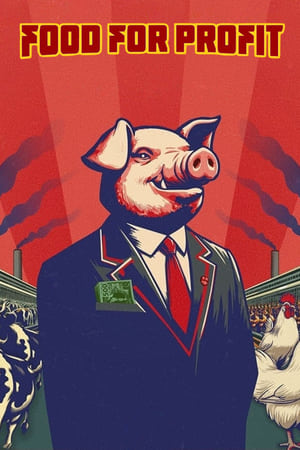
The film exposes the links between Agrifood and politics. With a pool of international experts it analyses the many problems related to factory farming: water pollution, migrants exploitation, biodiversity loss and antibiotic resistance.
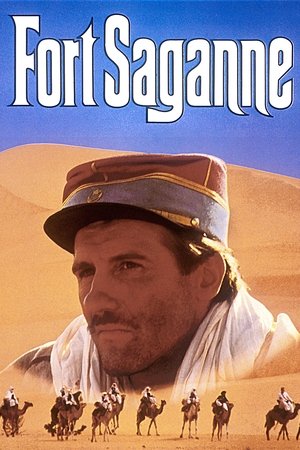
In 1911, a willful and determined man from peasant stock named Charles Saganne enlists in the military and is assigned to the Sahara Desert under the aristocratic Colonel Dubreuilh.
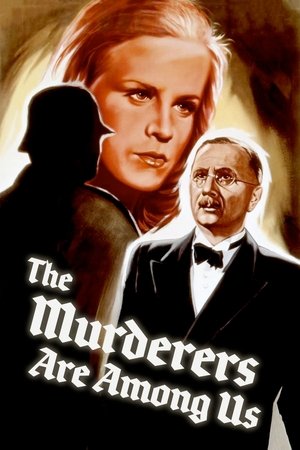
After returning from a concentration camp, Susanne finds a traumatized ex-soldier living in her apartment in bombed out Berlin. Together the two try to move past their experiences during WWII.
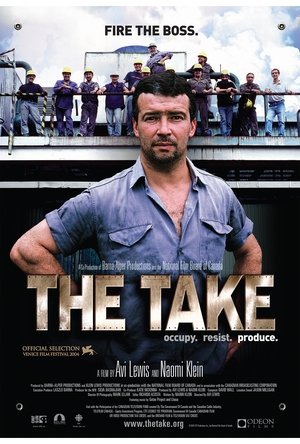
In suburban Buenos Aires, thirty unemployed ceramics workers walk into their idle factory, roll out sleeping mats and refuse to leave. All they want is to re-start the silent machines. But this simple act - the take - has the power to turn the globalization debate on its head. Armed only with slingshots and an abiding faith in shop-floor democracy, the workers face off against the bosses, bankers and a whole system that sees their beloved factories as nothing more than scrap metal for sale.
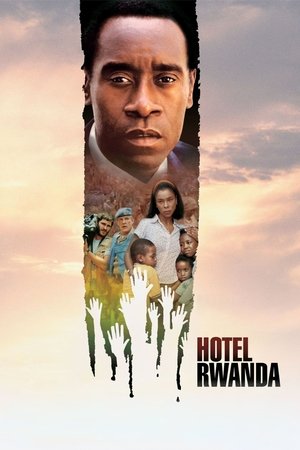
Inspired by true events, this film takes place in Rwanda in the 1990s when more than a million Tutsis were killed in a genocide that went mostly unnoticed by the rest of the world. Hotel owner Paul Rusesabagina houses over a thousand refuges in his hotel in attempt to save their lives.
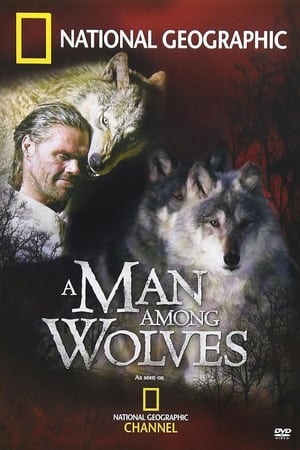
See a man living among wolves as the National Geographic Channel presents the unique story of maverick researcher named Shaun Ellis who raises abandoned wolf cubs and teaches them by example how to survive in the wild. In A Man Among Wolves, see how Shaun has given up everything to take a daring and unorthodox approach to understanding wolves' every move - living and behaving like them, howling, licking and snarling like them, even eating carcass meat like them.
Alexis Conran investigates whether loyalty cards save consumers money when shopping, looking into the possibility that supermarkets could be inflating prices only to discount them. Alexis discovers how supermarkets offer a reduced price in return for an exchange of data from shoppers, speaking to those responsible for handling the data and making profits from it.
A dark comedy about the only female employee in the warehouse of a sausage company who forms an unlikely bond with a stranger that throws both their lives into disarray, leaving them forever changed.
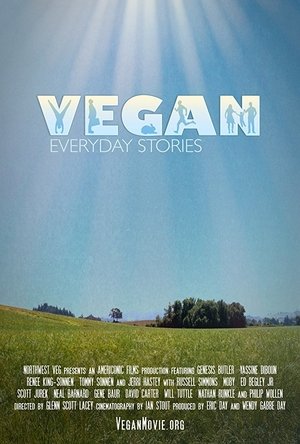
A feature-length documentary that explores the lives of four remarkably different people who share a common thread - they're all vegan. The movie traces the personal journeys of an ultramarathon runner who has overcome addiction to compete in one hundred mile races, a cattle rancher's wife who creates the first cattle ranch turned farmed animal sanctuary in Texas, a food truck owner cooking up knee-buckling plant-based foods, and an 8-year-old girl who convinces her family of six to go vegan.
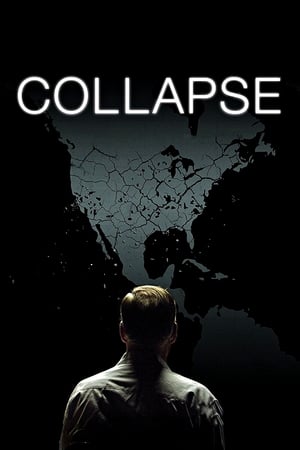
From the acclaimed director of American Movie, the documentary follows former Los Angeles police officer turned independent reporter Michael Ruppert. He recounts his career as a radical thinker and spells out his apocalyptic vision of the future, spanning the crises in economics, energy, environment and more.
When he suddenly finds himself without his long-standing blue-collar job, Larry Crowne enrolls at his local college to start over. There, he becomes part of an eclectic community of students and develops a crush on his teacher.
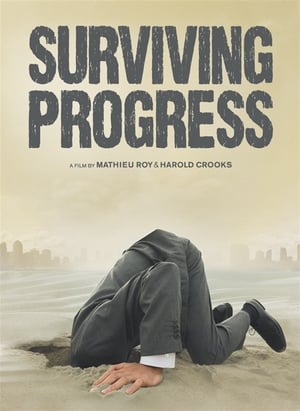
Humanity’s ascent is often measured by the speed of progress. But what if progress is actually spiraling us downwards, towards collapse? Ronald Wright, whose best-seller, “A Short History Of Progress” inspired “Surviving Progress”, shows how past civilizations were destroyed by “progress traps”—alluring technologies and belief systems that serve immediate needs, but ransom the future. As pressure on the world’s resources accelerates and financial elites bankrupt nations, can our globally-entwined civilization escape a final, catastrophic progress trap? With potent images and illuminating insights from thinkers who have probed our genes, our brains, and our social behaviour, this requiem to progress-as-usual also poses a challenge: to prove that making apes smarter isn’t an evolutionary dead-end.
Britain feels under-funded and falling apart. On the eve of the election, as politicians debate the causes, economist Tim Harford looks at what the numbers reveal about the broken state we're in.
Al Levin examines the system which functions to keep the working class in the United States oppressed.
A vivid, honest, often humorous and always insightful look at our struggle with investments and retirement. Michael Covel traveled 75,000 miles over the course of 2007 and 2008 to visit with hundreds of people from America to Europe to Asia from London to Tokyo to Macau to Singapore to New York City - Covel went everywhere. He interviews single moms facing foreclosure, Nobel Prize winners, professional poker players and US Congressmen. How did we dig such a big hole when it comes to our retirement, money and investments? We all want to retire, we all want to provide for our families, but Covel's film paints a picture that trusting the government, TV shows, big brokerage firms and mutual funds is not the way to go. There are ways for all of us to break away from the fear and confusion so many of us feel about our money, but the world has changed and it is time for straight talk.
An ordinary housewife, Yeong-hye, who has nightmares every night, finally becomes a vegetarian, throwing away all the meats in her refrigerator. Her husband Kil-soo starts to complain about her actions. Her family also worries about her health. During a family lunch, Yeong-hye tries to kill herself due to her father's abrupt violence. Observing all the happenings, Yeong-hye's brother-in-law, Min-ho, a videoartist, hears from his wife that Yeong-hye has a Mongolian spot on her hips. Min-ho gets inspiration from this and starts to sketch.
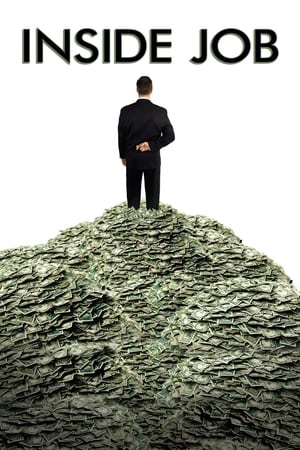
A film that exposes the shocking truth behind the economic crisis of 2008. The global financial meltdown, at a cost of over $20 trillion, resulted in millions of people losing their homes and jobs. Through extensive research and interviews with major financial insiders, politicians and journalists, Inside Job traces the rise of a rogue industry and unveils the corrosive relationships which have corrupted politics, regulation and academia.
Plunder: The Crime of Our Time is a hard-hitting investigative film by Danny Schechter. The "News Dissector" explores how the financial crisis was built on a foundation of criminal activity uncovering the connection between the collapse of the housing market and the economic catastrophe that followed.
Originally made as an ad for reindeer meat but includes notable documentary material from Lapland. A young couple from Helsinki goes to a restaurant and gets to know reindeer meat.