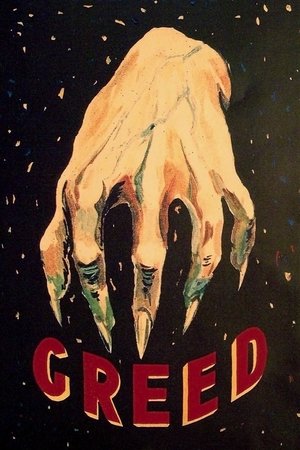
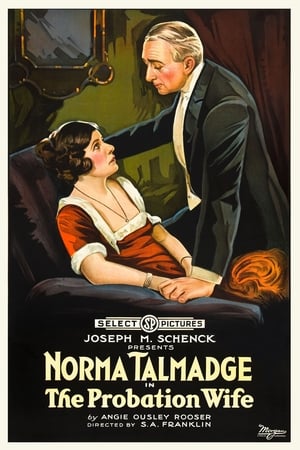
When housewife Trina wins the lottery, her comfortable life with her dentist husband John slowly deteriorates, in part by her own increasing paranoia and partly by the machinations of villainous acquaintance Marcus.
A peasant girl goes to great lengths to protect her child in 19th century Vienna. The film is considered lost, and only four minutes of footage are known to remain.
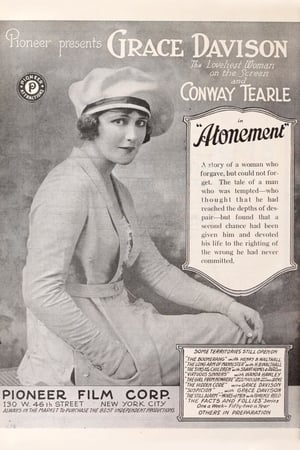
Atonement
Partially lost movie. Based on the novella ‘The Red Scarf’ by Mikhail Pavlovich Rogi. The story of a peasant woman who comes to the city to join her husband, a factory worker, and finds it difficult to adjust to her new life. Only the fourth part of the film has survived.
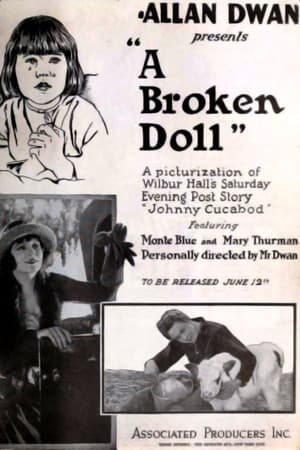
Ranch hand Tommy Dawes has a special bond with little Rosemary, the crippled daughter of his boss Bill Nyall. When Tommy accidentally breaks Rosemary's favorite doll one day, he borrows a $20 gold piece from the foreman's mattress to go to town and buy a new doll. However, on the way there he is ambushed and robbed by an escaped convict
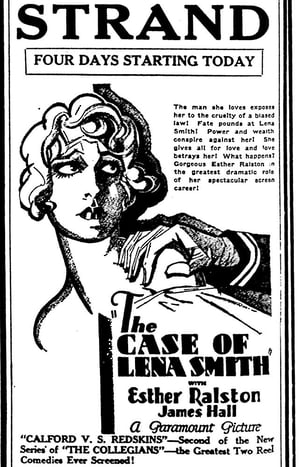
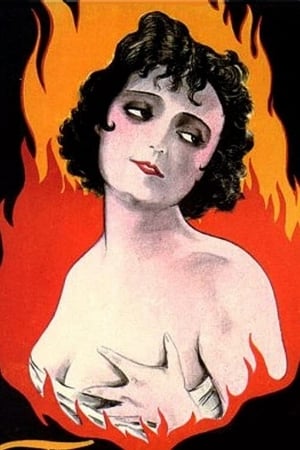
In 19th century Paris a hedonistic woman marries an aristocrat but has trouble keeping faithful to him.
Focuses on the suspenseful, intertwined stories of the Chancery court injustices and the scandalous secrets surrounding Lady Dedlock's past. Part of serial Tense Moments from Great Plays.
In 1899, Kansas farmer Wade Harkin and his wife Ruth pull up stakes and head for the Alaskan gold fields to make their fortune. When they reach Seattle, Washington, Wade tells Ruth to meet him aboard their ship going north, but when she arrives, she is unable to find him because he is involved in a private poker game.
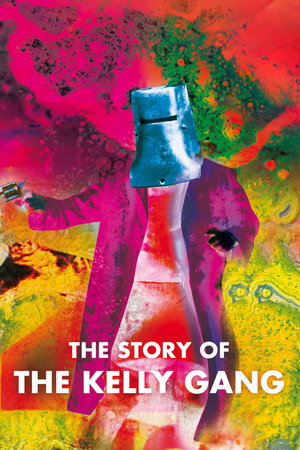
Just as Galeen and Wegener's Der Golem (1915) can be seen as a testament to early German film artistry, The Story of the Kelly Gang (1906) symbolizes both the birth of the Australian film industry and the emergence of an Australian cinema identity. Even more significantly, it heralds the emergence of the feature film format. However, only fragments of the original production of more than one hour are known to exist, preserved at the National Film and Sound Archive, Canberra; Efforts at reconstruction have made the film available to modern audiences.
Famous Russian screen actors play themselves in this drama about the lives of actors. Thirteen minutes of the film survive.
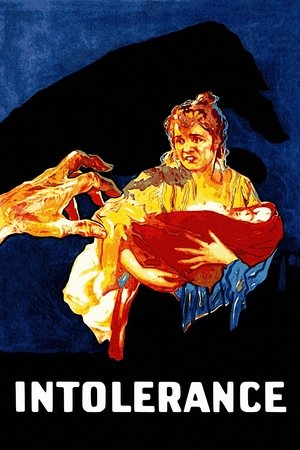
The story of a poor young woman, separated by prejudice from her husband and baby, is interwoven with tales of intolerance from throughout history.
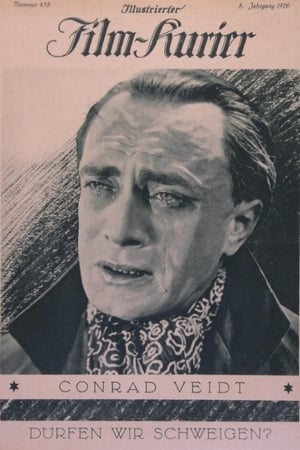
A movie star helps a young singer-actress find fame, even as age and alcoholism send his own career into a downward spiral.
A melodrama about a painter who is infected with syphilis, refuses treatment, turns to the use instead of narcotics, and withers away.
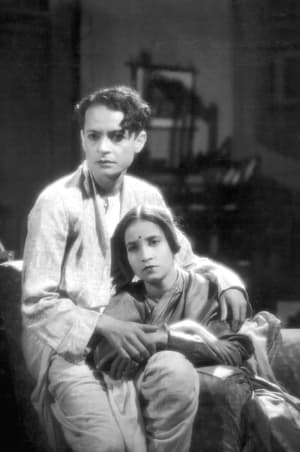
Devdas, the son of a zamindar, and Parvati, his neighbour's daughter, are childhood sweethearts. However, class and caste differences prevent their marriage. Devdas is sent off to Calcutta, while Paro is married off to an aged rich widower. In Calcutta, as remorse drives him to alcohol, Devdas meets Chandramukhi, a prostitute. All Indian prints of this Bengali version were destroyed in a fire that ravaged New Theatre’s studios. Today, only one copy of the film survives which belongs to the Bangladesh Film Archives. Of that copy almost forty percent is destroyed.
A young sailor named John Shreve on the cargo ship Golden Bought falls for a woman, Mary, who is trying to escape the ship's brutal environment and tyrannical captain, Simon Gant.
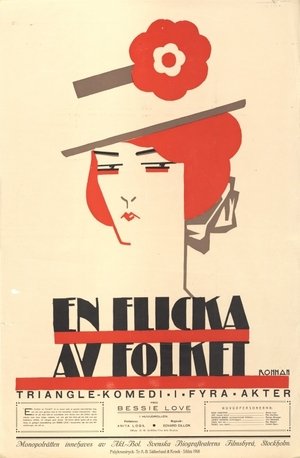
A young girl, Rose Eastmen lives with her lazy Uncle, who works as a janitor in a publishing house. Lacking education, both Rose and her Uncle are susceptible to the socialist ideas of writer Rudolph Creig. One day Rose encounters Jack Steven's the wealthy son of the publishing house, working on his car. She believes he is a common laborer, and begins seeing him. Through her exposure to Jack, Rose begins to realize the rich are not such an abominable people. Rudolph has also reached this conclusion after learning Steven's has published his book. Now with a hefty royalty check and success, Rudolph is able to marry Rose.
A 1922 film directed by Frank Lloyd.
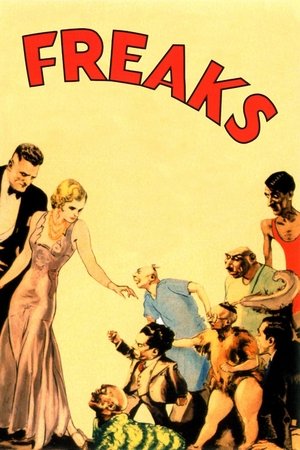
A circus' beautiful trapeze artist agrees to marry the leader of side-show performers, but his deformed friends discover she is only marrying him for his inheritance.
Alcoholic former artist David Stanley and impoverished violinist Judith Deering appear before Judge Henning. After the kindly judge dismisses the minor charges against the couple, Judith finds a job, after which she secretly sends money to David, using the judge as an intermediary. David soon stops drinking and successfully resumes his career.
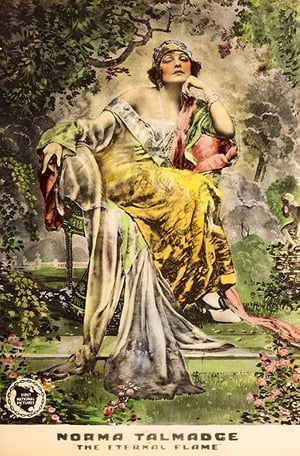
A 1919 film directed by Sidney Franklin.