This first co-production of the Soviet and Indian cinematographers is dedicated to the Tver merchant Afanasy Nikitin who in 1466-1472 blazed the trade way from Europe to India. The film is based on Nikitin’s travel notes. Starring in the film are popular Russian actor Oleg Strizhenov and India’s 1950s movie star Nargis.
Queen Kaikeyi exiles Rama and demands Bharat be king. Bharat, devoted to Rama, refuses the throne and goes to the forest, urging Rama to return. Rama insists on upholding his father's vow. Bharat then rules Ayodhya as Rama's regent, placing Rama's sandals on the throne until his return.
This is the gritty and sensational true story of Arun Gulab Gawli, a mill worker’s son who grew up in Mumbai’s impoverished Dagdi Chawl, to become an infamous don, politician and chief rival of the most powerful crime boss of the day, Dawood Ibrahim. Daddy realistically charts Mumbai’s true crime history from the 1970s and 1980s until 2012, when Gawli was finally sentenced to life imprisonment.
Drama set during the British rule in India has Jatin Chatterjee, a young revolutionary on the run from authorities, take refuge in the home of Shyam Jadhav, who hires Jatin to teach his sons, Ram, Ramdas, and Ramdulaare. What happens when Jatin instructs his students about the legendary bandit Robin Hood?
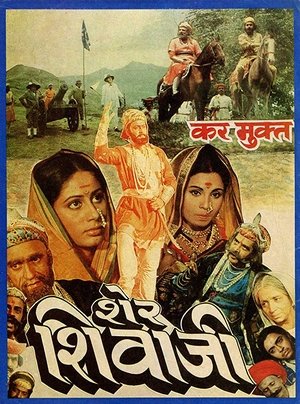
The film chronicles the ascent of Shivaji, the great Maratha warrior who fought for liberty from the erstwhile Muslim rulers in order to establish a secular Hindu kingdom.
Children of War is a movie based on the true events of the 1971 Genocide. Can we, in search of power, become animals? A genocide; neglected! The first use of rape as a weapon of war; undocumented! The lives of millions; unaccounted! The culprits; unpunished!
A sixteenth century love story about a marriage of alliance that gave birth to true love between a Mughal emperor and a Rajput princess.
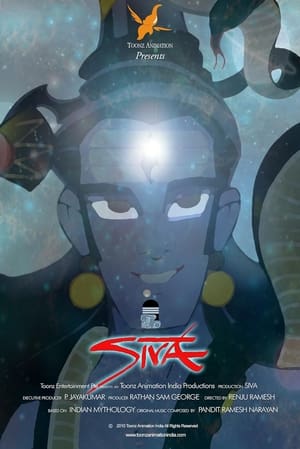
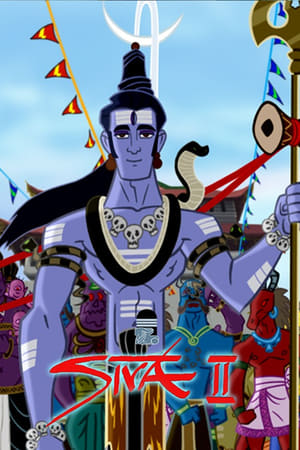
Snake Goddess Mansa is having a bad day. It's her birthday but she is restless and irritated by her followers in Naglok. Fortuitously Nagraj turns up and she manages to cajole him into revealing the name of her father, who is none other than Lord Shiva.
Set in 1948, the historic story of India's first Olympic medal post their independence.
Based on Ram janambhumi Struggle. Historical drama concerning the birth of Rama.
Amidst the 1971 Indo-Pak war, a company of 120 Indian soldiers stationed at the border region of Longewala in Rajasthan must defend their post through the night against two thousand Pakistani troops armed with tanks. Based on the true events of the Battle of Longewala.
After a group of friends graduate from Delhi University, they listlessly haunt their old campus, until a British filmmaker casts them in a film she's making about freedom fighters under British rule. Although the group is largely apolitical, the tragic death of a friend owing to local government corruption awakens their patriotism. Inspired by the freedom fighters they represent in the film, the friends collectively decide to avenge the killing.
In 1947, the borderlines between India and Pakistan are being drawn. A young girl bears witnesses to tragedy as her ayah is caught between the love of two men and the rising tide of political and religious violence.
In 1948, a cross-fire erupts at an isolated stretch of Indo-Pak border, leaving only two soldiers alive. One is an Indian soldier of Pakistani origin while the other happens to be a Pakistani soldier of Indian origin. An ironic story of pride and survival begins when - in an attempt to evade danger, they bump into each other. And amidst continuous exchange of bullets, altercations and murkier situations, it evolves into a journey of human connection with an unforeseeable end.
Born in British India, Bhagat Singh witnesses numerous atrocities during his childhood and grows up to become one of the most fearless freedom fighters in the country.
After giving birth to Bhagwan Shri Kartiyeke, Devi Maa Parvati forms a child-human image from clay, adopts him, and asks him to guard the house and not let anyone in while she bathes. The child refuses to let anyone in, including Bhagwan Shivji himself, who beheads him. When a tearful Parvatiji pleads, Shivji brings the child back to life with the head of an elephant, and names him Gajanand, and assures him that no one will make fun of him.
Zubeidaa, an aspiring Muslim actress, marries a Hindu prince to become his second wife. Her tumultuous relationship with her husband, and her inner demons lead her to a decision which has fatal consequences for them all.
Shudra: The Rising is a Hindi language film with a storyline based on the caste system in ancient India, and more specifically the Hindu Varna system. It is directed by Sanjiv Jaiswal and dedicated to Bhim Rao Ambedkar. The film depicts the four basic units of the caste system - the Brahmins, Kshatriyas, Vaishyas and the Shudras. The film shows various rules imposed on the Shudras such as waking with a bell around their ankles and a long leaf behind their back,and a pot hanging around their neck.
Born a lower-caste girl in rural India's patriarchal society, "married" at 11, repeatedly raped and brutalized, Phoolan Devi finds freedom only as an avenging warrior, the eponymous Bandit Queen. Devi becomes a kind a bloody Robin Hood; this extraordinary biographical film offers both a vivid portrait of a driven woman and a savage critique of the society that made her.
The movie narrates the tale of Hamirji Gohil, a brave warrior who fought against the Tughlaq Empire to protect the Somnath Temple and the Hindu faith.