A story of duplicity, ambition and misunderstandings when four peoples lives become intertwined in a quest for a political appointment.
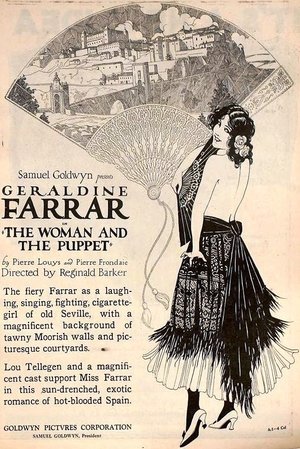
Don Mateo, a swaggering Spaniard, tosses women aside without a care. But when he falls under the spell of the tempestuous Concha Perez, it is Don Mateo who finds himself tossed about.
Hidalgo offers his daughter's hand in marriage when he can't repay a loan to Manuella. But when Manuella overhears the daughter bidding farewell to her lover, he is so moved by their devotion that he cancels the debt.
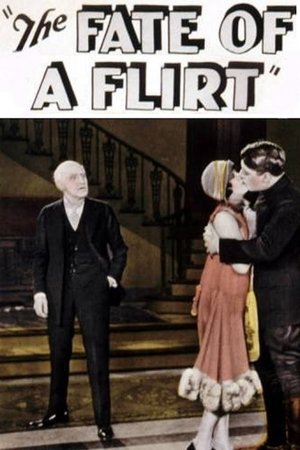
Sir James Gilbert, a British peer, wagers that he can win the love of a particular young American woman for whom he has his heart set. Disguised as a chauffeur, James shows his love to Mary Burgess, niece of his wealthy employer, John Burgess. To obtain the consent of Mary's aunt, the couple involves her in a harmless trick. A villain threatens blackmail and attempts to pass himself off as the Sir James Gilbert. After a variety of adventures, the blackmailer's schemes are defeated. The young woman's hitherto hostile relatives are surprised and pleased when, instead of a chauffeur, Mary becomes the bride of Sir Gilbert.
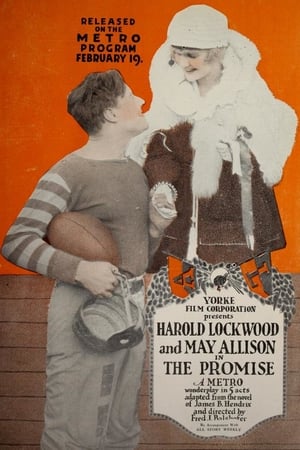
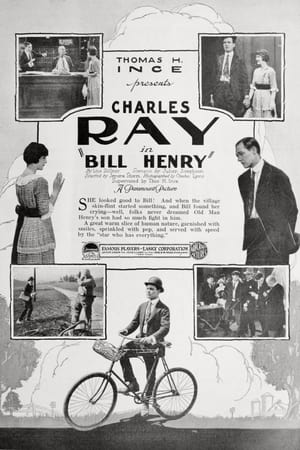
After an argument with his father, in which he is accused of stealing, Bill Carmody leaves home. His girlfriend Ethel is mad at him because of his carousing. So he heads out West, but he gets in a railroad accident and saves the life of Appleton, who owns a lumber mill. To reward Bill, Appleton gives him a job, and it doesn't take him long to discern that Buck Moncrossen, the camp boss, is crooked.
An actress cures a wayward young man of his extravagant spending.
A girl is being shipped off to Europe with her aunt to break up her romance. Her suitor dresses himself as the aunt and manages to fool everyone long enough for them to elope.
Bob and Dick both secretly love Dorothy but are too timid to propose. Bob rehearses his proposal to Dorothy, accidentally proposing to the maid, who accepts. Dick arrives, leading to a comical standoff. The maid reveals Bob's "proposal" to the chef, who, jealous, bursts in with a knife. Dorothy, finally arriving, clarifies the misunderstanding, and Bob proposes to her, leaving Dick as best man.
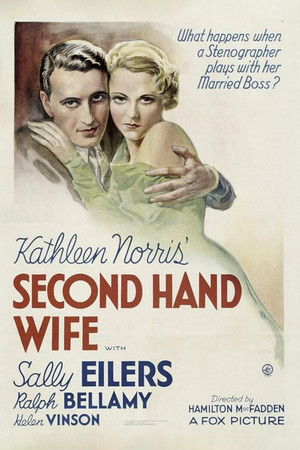
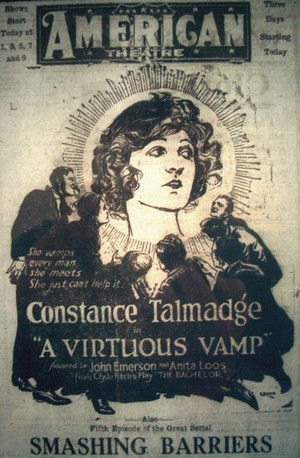
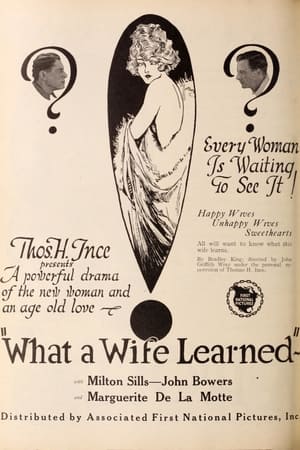
A daughter and devious ex-wife complicate an executive's marriage to his secretary.
Jan De Bar, a young French-Canadian, is sent out from the Hudson Bay Company's post at God's Lake to perform the perilous task of burning the plague-stricken cabins of those who have died of the dreaded smallpox. In one of them he finds Jeanette, a little girl, who, by some miracle, has escaped the plague.
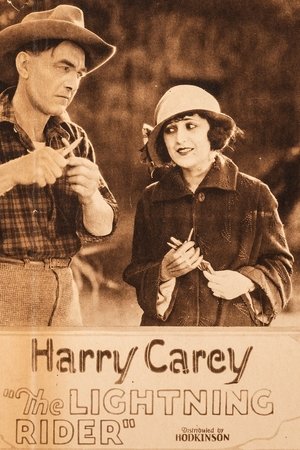
Veteran western performers Harry Carey and Marguerite Clayton appeared in three films together from 1923-1924: Desert Driven, Tiger Thompson and, perhaps their best, Canyon of the Fools.
An American Indian child, maltreated by her mother and other tribespeople, accompanies her family to a nearby town to buy supplies. There, local white settlers — a couple and their young daughter — befriend the child and give her a doll, her first and only toy. Meanwhile, another tribesman is wantonly killed by a settler. Enraged, the Indians plan revenge and organize a war-party to attack the town. The Indians also take from the child the doll she was given and smash it. The child mourns her broken doll, and buries it with traditional tribal rites. Alarmed that her new friends will be harmed when the town is attacked, the child rushes ahead of the war-party to give warning of the imminent attack. In the raid the child is struck by a bullet, and makes her painful way to her doll’s burial site. Alone, she dies.
For the sake of a woman, Robert Morton serves a prison sentence and is disowned by his father, Henry. He is freed after several years and arrives in San Francisco, California, where he meets Camille Balishaw in a Barbary Coast saloon. She offers Robert shelter and aids in his rehabilitation, but his prison record prevents him from holding a job. After Camille and Robert are married, he finds another job and gradually regains his self-respect. Henry has a change of heart and seeks out Robert, asking him to return home, but without Camille. Robert remains loyal to his wife, forcing Henry to relent as he realizes the depth of their love.
Set in London (but filmed in New Jersey), the story endeavors to prove that man's greatest enemy is liquor. When elderly tosspot John Warriner is shot for trespassing, Warriner's son holds property owner Sir Arthur Stanton. Thus begins a bitter and deadly feud between the Warriner and Stanton clans, fueled by rotgut booze.
A bandit known as The Black Mask is terrorizing the countryside around the California border town of Caliboro. When word spreads that the Mask's gang is going to hit town, the town priest turns over the church's money to the local sheriff for safekeeping.
Actress Letty Noon and Rev. David Warwick seek advice from a parson who tells the tale of a minister who falls for a dance hall girl named Wild Honey. After a jealous suitor frames the minister for murder, Wild Honey clears his name, and he realizes her love. When another suitor tries to shoot the minister, Wild Honey is wounded protecting him. The minister takes her to another town, and they live happily together.
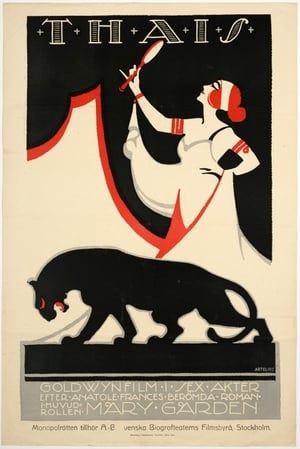
The wanton dancer Thais, tries to entice Paphnutius from becoming a monk but fails. He later returns to reclaim her soul and follow in his footsteps. They attempt to live lives of simplicity, but the pull of worldliness is too strong.
A young boy aspires to knowledge and higher education but his father, a plain man with narrow goals, is content with an ordinary school education for him and puts him to work despite the principal's protests. The principal even offers the father an opening by which his son could work during the day and attend school at night throughout a season, but the father declines. Disheartened by the life of drudgery, his father’s decision has wrought he travels the wrong road and goes from hopelessness to recklessness, trapped in an unhappy marriage and a life of hopelessness.
A novelist's success causes a rift between her and her rancher husband.
Mendoza, who had an affair with the star of the original production of La Vie parisienne in 1900, returns in 1935 with his son and granddaughter. His granddaughter is engaged to a young Frenchman, but Mendoza's strait-laced and puritanical son initially forbids the marriage. The core conflict involves Mendoza and his old Parisian friends conspiring to change the son's mind and convince him to embrace the titular "Parisian life".