The Alps – wild mountains, extreme lives, but also a magical world. This majestic mountain range connects eight countries and reaches heights of up to 4,000 metres above sea level. At a length of 1,200 kilometres, the Alps form both a connecting bridge between western and eastern Europe and a high barrier between southern and central Europe. The mountains act as a mighty water reservoir and continental watershed, feeding innumerable rivers that flow into three different oceans. Their highest peak, Mont Blanc, is surrounded by long, soaring mountains with ice-covered slopes. These great summits are just one reason the so-called “Roof of Europe” continues to fascinate – across the continent and around the world. The incredible diversity of landscapes, flora and fauna makes the Alps a unique natural treasure at the heart of Europe.
whydoyouhavetotakeoffyourshoesfirst ?
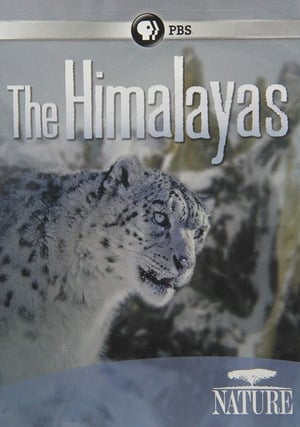
The highest mountain range in the world, the Himalayan range is far reaching, spanning thousands of miles, and holds within it an exceptionally diverse ecology. Coniferous and subtropical forests, wetlands, and montane grasslands are as much a part of this world as the inhospitable, frozen mountaintops that tower above. The word Himalaya is Sanskrit for abode of snow, fitting for a stretch of land that houses the world’s largest non polar ice masses. Extensive glacial networks feed Asia's major rivers including the Ganges, Indus, and Brahmaputra. More than a billion people rely on these glacier-fed water sources for drinking water and agriculture. The Himalayas are not only a remarkable expanse of natural beauty. They're also crucial for our survival.
Various amphibious pond dwellers, including grass frogs, tree frogs, common toads and other amphibians are shown moving around, feeding, mating, fertilizing and evolving. Also on display are natterjack and midwife toads, yellow-bellied toads and water frogs.
The biodiversity of a pond, which is already endangered in many places, is shown. The individual specimens are introduced over the course of an early summer's day. The highlight is the frog concert at night.
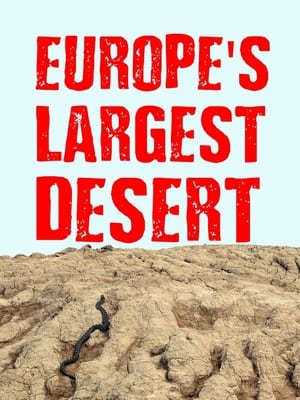
Near the cold Pyrenees of Iberia, surrounded by ancient and dark green forests, lies a strange land where the rain is scarce and the wind is always blowing. The soil is poor, there are no trees and the landscape resembles the moon. Is this what the future of desertification will look like? Incredible creatures with surprising behavior live in this strange landscape. The documentary explores a place with very dry skin but a wet hidden heart where even waterfowl or amphibians can live. Living in such conditions is not easy and only the toughest animals will survive.
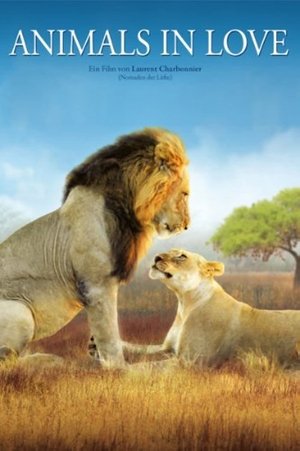
Translated literally as "Animals in Love," the French-language documentary Animaux Amoreux depicts various species of the animal kingdom in courting, mating and reproduction activities. Laurent Charbonnier directs.
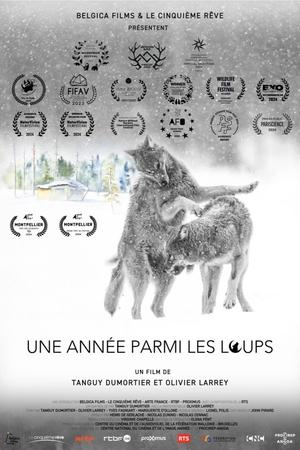
United by the same dream, Yves Fagniart and Olivier Larrey, watercolorist and wildlife photographer respectively, set up home in a shack just a few square meters square, in the middle of the no-man's-land between Finland and Russia. Their aim: to document the intimate life of a pack of wolves, presumed to frequent this frozen peat bog landscape.
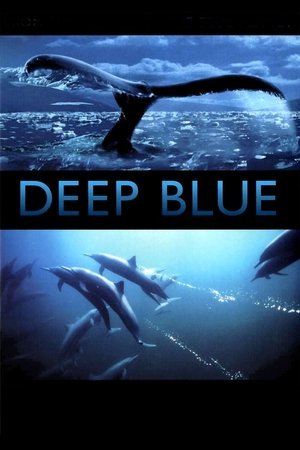
Deep Blue is a major documentary feature film shot by the BBC Natural History Unit. An epic cinematic rollercoaster ride for all ages, Deep Blue uses amazing footage to tell us the story of our oceans and the life they support.
Shows how the gradual changes in a pond affect living things from the end of winter to the beginning of summer. Includes extreme close-ups and photomicrography to show protozoa and other minute forms of life found in a pond.
To show the habitat, life cycle and typical activities of the Barn Swallow.
Ukryté v lese, schované v tŕstí
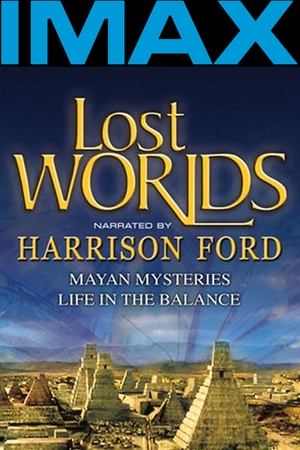
Lost Worlds looks at untouched aspects of nature in parts of the world where humans rarely tread. From plants, to animals, to geology, this artfully photographed documentary presents facets of the biological world that you are not likely to see anywhere else.
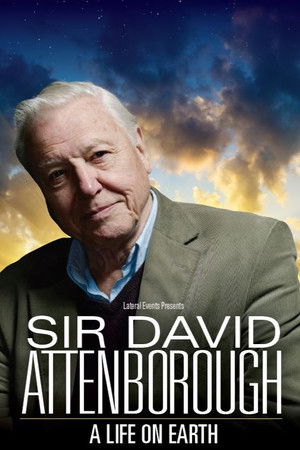
Sir David Attenborough is larger than life, his distinctive voice as recognisable as his name. In this program, renowned Australian journalist Ray Martin turns the cameras away from the beloved wildlife Sir David has spent his life documenting and onto the man himself. The show is an edited interview culled from a series of sold-out events held in theatres across Australia in 2012 and 2013.
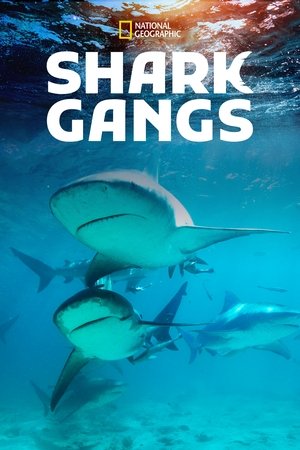
Scientists have discovered and investigate the reason behind the behavior of sharks swimming around in gangs even though they are viewed as solitary predators.
A group of artists settle in a swamp on the banks of the Indre River. Meanwhile, a voice describes a utopian world.
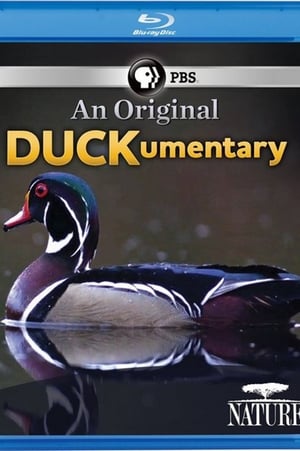
Ducks are true originals. There are more than 120 different species of ducks in all, a fantastical group of complex characters. Ducks have a talent for survival, and life stories filled with personality and charm. Each bird is more fun than the last, and will leave you wanting more.
Na ptačích horách
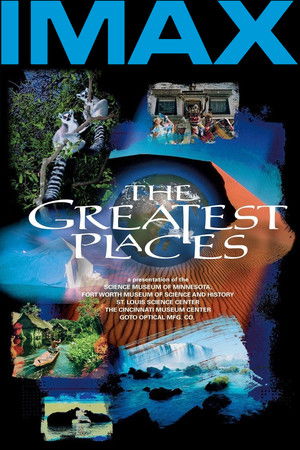
A journey to seven of the most geographically dynamic locations on earth. The film features spectacular land forms, diverse wildlife and the people and cultures indigenous to these places. Distinct geographic places include the great island of Madagascar, home to unique limestone pinnacles and the playful lemur; and the greatest desert—the Namib—home of the largest sand dunes in the world that tower majestically over its western border, the Atlantic Ocean. Other locations featured are the great icecap of Greenland, Iguazu Falls in Brazil, the Okavango Delta in Botswana, the Chang Tang Plateau in Tibet, and the Amazon River in South America.
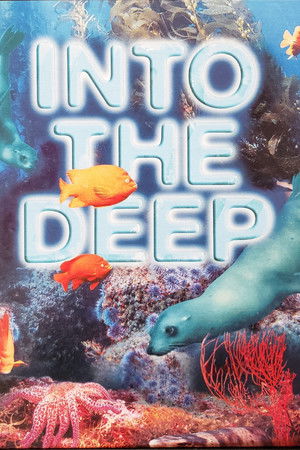
An underwater exploration beneath kelp forests in the Pacific Ocean off the coast of Southern California. The film captures the birth of a shark, squids mating, a lobster molting, a fish protecting its nest from an octopus and a sea urchin, and the sea bed covered with brittle stars.