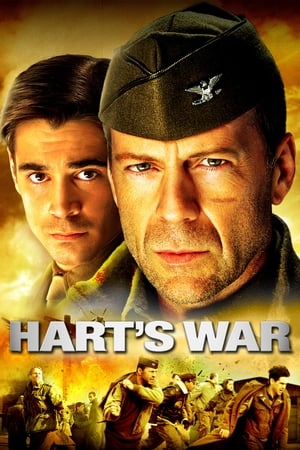
When Col. William McNamara is stripped of his freedom in a German POW camp, he's determined to keep on fighting even from behind enemy lines. Enlisting the help of a young lieutenant in a brilliant plot against his captors, McNamara risks everything on a mission to free his men and change the outcome of the war.
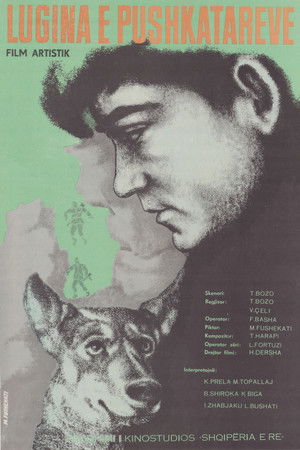
Met Sokoli is a young pioneer who fights against a band of saboteurs entering Albania.
Children get ready to start the first grade. They start learning the first letters.
During World War II, an Italian agent tries to infiltrate the Albanian guerrilla units under the identity of 'engineer Tosti'.
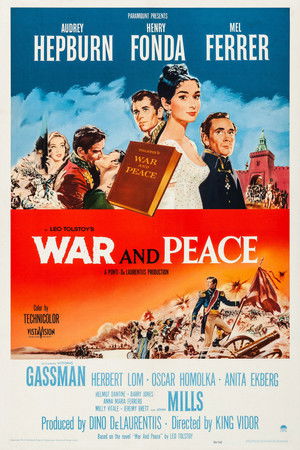
The love story of young Countess Natasha Rostova and Count Pierre Bezukhov is interwoven with the Great Patriotic War of 1812 against Napoleon's invading army.
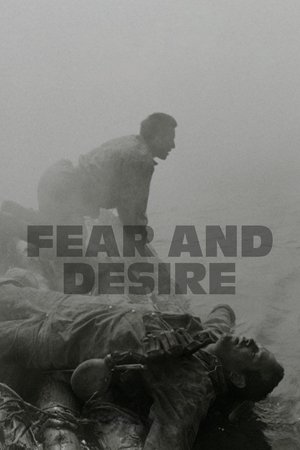
After their airplane crashes behind enemy lines, four soldiers must survive and try to find a way back to their battalion. However, when they come across a local peasant girl the horrors of war quickly become apparent.
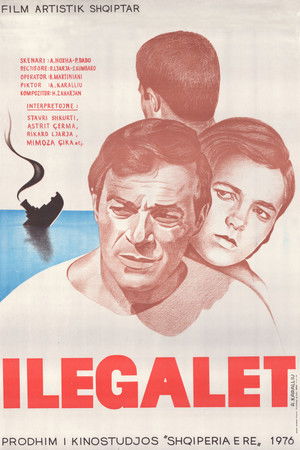
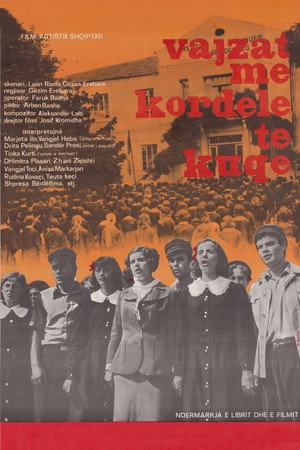
Jeta is a student who is a member of the illegals and tries to create a group of antifascist girls in her school.
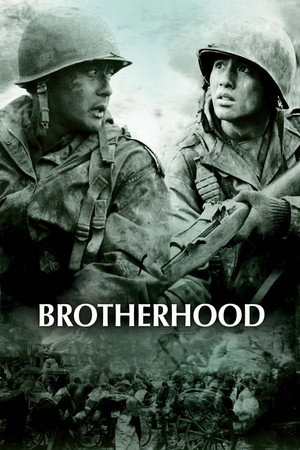
When two brothers are forced to fight in the Korean War, the elder decides to take the riskiest missions if it will help shield the younger from battle.
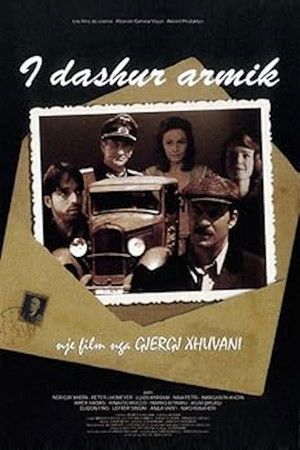
Dear Enemy tells the true story of the director’s grandfather who became friends with a German officer during the WWII German occupation of Albania while hiding a partisan, an Italian soldier and a Jewish watchmaker in his cellar.
During World War II, the propaganda engine of the U.S. government made a pivotal decision with unforeseeable results: they tapped John Huston to shoot war documentaries with an expressly patriotic spin. Few could guess the degree to which Huston's documentaries would depict the sheer brutality and horror of modern warfare - particularly his Let There Be Light and The Battle of San Pietro. The films served (by default) as cinematic protests, even as they graced new and brilliant heights within the scope of American documentary. (Indeed, Light was banned by the government for 35 years). Midge Mackenzie's 1998 documentary John Huston: War Stories explores this little known facet of Huston's career, intercutting clips from the various documentaries with a Huston interview shot just prior to his death.
Documentary about Congres VI of the Women's Union.
Halit Berati, a virtuoso clarinet player, is invited by the Italians to record his music, which is to be sold along Italian records.
Four partisans are tasked with delivering a song to the Congress of Përmet.
A film about the Italian troops leaving Vlora and Albanian partisans finally entering the enemy camp.
Street art, creativity and revolution collide in this beautifully shot film about art’s ability to create change. The story opens on the politically charged Thailand/Burma border at the first school teaching street art as a form of non-violent struggle. The film follows two young girls (Romi & Yi-Yi) who have escaped 50 years of civil war in Burma to pursue an arts education in Thailand. Under the threat of imprisonment and torture, the girls use spray paint and stencils to create images in public spaces to let people know the truth behind Burma's transition toward "artificial democracy." Eighty-two hundred miles away, artist Shepard Fairey is painting a 30’ mural of a Burmese monk for the same reasons and in support of the students' struggle in Burma. As these stories are inter-cut, the film connects these seemingly unrelated characters around the concept of using art as a weapon for change.
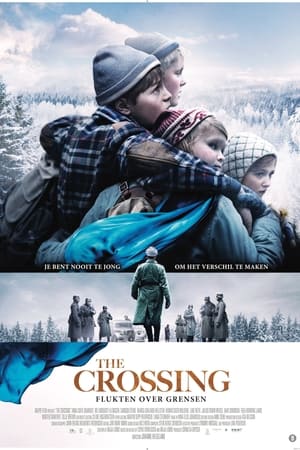
One day, just before Christmas in 1942, Gerda's and Otto's parents are arrested for being part of the Norwegian resistance movement during the Second World War, leaving the siblings on their own. Following the arrest, they discover two Jewish children, Sarah and Daniel, hidden in a secret cupboard in their basement at home. It is now up to Gerda and Otto to finish what their parents started: To help Sarah and Daniel flee from the Nazis cross the border to neutral Sweden and reunite them with their parents.
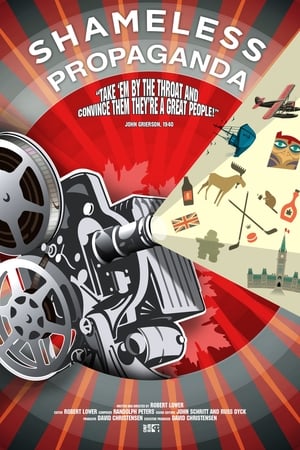
This feature documentary examines its own genre, which has often been called Canada's national art form. Released in the year of the NFB's 75th birthday, Shameless Propaganda is filmmaker Robert Lower's take on the boldest and most compelling propaganda effort in our history (1939-1945), in which founding NFB Commissioner John Grierson saw the documentary as a "hammer to shape society". All 500 of the films produced by the NFB until 1945 are distilled here for the essence of their message to Canadians. Using only these films and still photos from that era, Lower recreates the picture of Canada they gave us and looks in it for the Canada we know today. What he finds is by turns enlightening, entertaining, and unexpectedly disturbing.
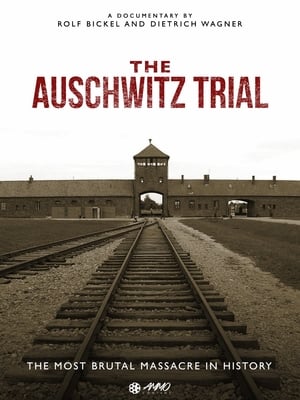
The biggest trial of Nazi war crimes ever: 360 witnesses in 183 days of trial - a stunning and gripping portrayal of the most terrible massacre in history.
Skutečná Albánie
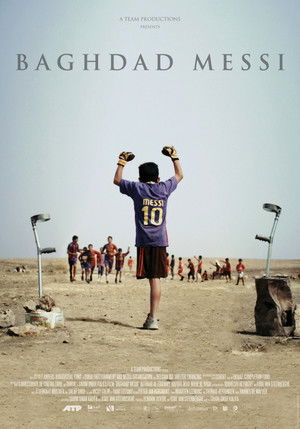
Iraq, 2009. Little Hamoudi (10) is totally obsessed with football. Just as the rest of the world, he and his friends are eagerly looking forward to the Champions League finale FC Barcelona-Manchester United. The long awaited clash between Messi and Ronaldo. But then Hamoudi's television breaks down... Short film, not to be confused with the 2023 feature film.