Man Ray, the master of experimental and fashion photography was also a painter, a filmmaker, a poet, an essayist, a philosopher, and a leader of American modernism. Known for documenting the cultural elite living in France, Man Ray spent much of his time fighting the formal constraints of the visual arts. Ray’s life and art were always provocative, engaging, and challenging.
Ashes and Snow, a film by Gregory Colbert, uses both still and movie cameras to explore extraordinary interactions between humans and animals. The 60-minute feature is a poetic narrative rather than a documentary. It aims to lift the natural and artificial barriers between humans and other species, dissolving the distance that exists between them.
The professional life of Roxanne Lowit, one of the greatest fashion photographers and a pioneer of backstage photography, covering her career from 1977 and the Studio 54 until now.
A documentary-essay which shows Costică Axinte's stunning collection of pictures depicting a Romanian small town in the thirties and forties. The narration, composed mostly from excerpts taken from the diary of a Jewish doctor from the same era, tells the rising of the antisemitism and eventually a harrowing depiction of the Romanian Holocaust.
Etienne-Jules Marey, a French inventor who turned a gun into a camera. A hand-drawn hunter whose weapon, instead of firing ammunition, shoots photographs. Carlos, a Mexican wildlife photographer who used to be a real life hunter until he chose to get rid of all his guns. All come together in this poetic yet approachable animated documentary short film.
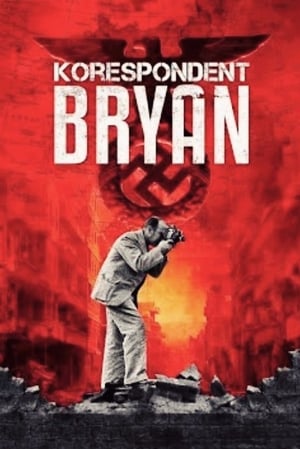
The film is based solely on footage shot in Warsaw in 1939 by Julien Hequembourg Bryan. This American filmmaker and photographer documented life in Poland, the Soviet Union and Nazi Germany between 1935 and 1939. Following the outbreak of the Second World War, he arrived in Warsaw, where he shot a number of films documenting the city under siege, and is said to be the only foreign correspondent in the Polish capital at the time. Bryan also took the first colour photographs of wartime Warsaw.
If something of import has taken place in our lifetimes, chances are that Steve McCurry has photographed it, from the wars in the Arab world to the 9/11 attacks. Denis Delestrac’s documentary on the photographer charts McCurry’s journey through a restless life spent on constant move, chronicling our times and living with the intense loneliness and trauma that came along with his work. Today, surrounded by a loving family, McCurry is finally home but never not in the pursuit of color.
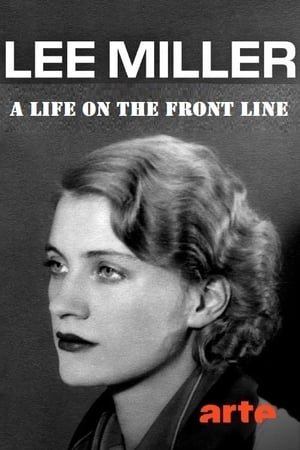
A documentary celebrating Lee Miller, a model-turned-photographer-turned-war reporter who defied anyone who tried to pin her down, put her on a pedestal, or pigeonhole her in any way.
A camera crew follows Helmut Newton, the fashion and ad photographer whose images of tall, blond, big-breasted women are part of the iconography of twentieth-century erotic fantasy. He's on the go from L.A., to Paris, to Monte-Carlo, to Berlin, where he was a youth until he escaped from the Nazis in 1936. We see him on shoots, interviewing models, and discussing his work.
They’ve become the human face of inhuman barbarity. Leaders like Hitler, Idi Amin Dada, Stalin, Kim Jong Il, Saddam Hussein, Nicolae Ceausescu, Bokassa, Muammar Kadhafi, Khomeini, Mussolini and Franco governed their countries completely cut off from reality. These paranoid leaders were driven to abuse their power by the pathology of power itself. Dictators are driven by a relentless, thought-out determination to impose themselves as infallible, all-knowing and all-powerful beings. But they are also men ruled by their caprices, uncontrollable impulses, and reckless fits of frenzy, which paradoxically render them as human as anyone else. The abuses they committed were clearly atrocious, yet some of them were as outlandish as the characters portrayed in the film The Dictator. They sunk to depths worthy of Kafka: so incredibly absurd, they are outrageously funny.
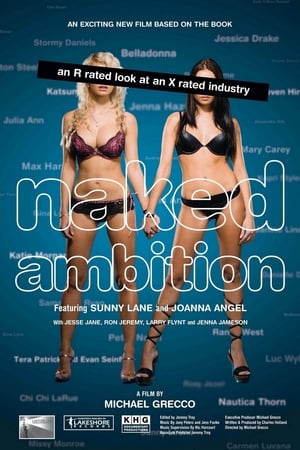
Noted celebrity photographer, Michael Grecco, sets out to capture the essence of the AVN Awards and Convention where the best in American Pornography is displayed, celebrated and honored.
An account of the professional and personal life of renowned American photographer Annie Leibovitz, from her early artistic endeavors to her international success as a photojournalist, war reporter, and pop culture chronicler.
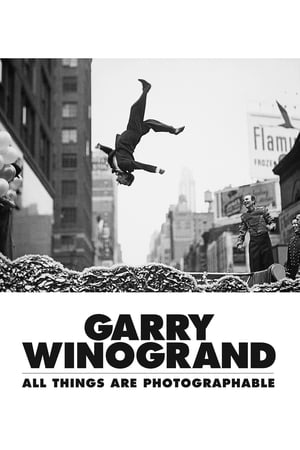
Freyer Artist. Iconoclast. Man of his time. All Things are Photographable is a revealing documentary portrait of the life and work of acclaimed photographer Garry Winogrand – the epic storyteller in pictures of America across three turbulent decades.
More than 60,000 of Ernest Cole’s 35mm film negatives were inexplicably discovered in a bank vault in Stockholm, Sweden. Most considered these forever lost, especially the thousands of pictures he shot in the U.S. Told through Cole’s own writings, the stories of those closest to him, and the lens of his uncompromising work, the film is a reintroduction of a pivotal Black artist to a new generation and will unravel the mystery of his missing negatives.
A short documentary portrait of the artist William Eggleston; focusing particularly on his musical endeavours and his album Musik that was released through Secretly Canadian in 2017.
BBC Arena's documentary on the Dames of British Theatre and film featuring Maggie Smith, Eileen Atkins, Judi Dench and Joan Plowright on screen together for the first time as they reminisce over a long summer weekend in a house Joan once shared with Sir Laurence Olivier.
A documentary that examines the relationship between celebrity and society.
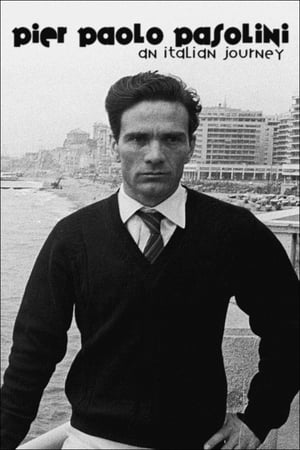
In the summer of 1959, as a magazine correspondent, writer and filmmaker Pier Paolo Pasolini (1922-75) traveled along the Italian coast. In 1963, he documented the sexual behavior of the Italians. In the winter of 1970-71, he witnessed the hardships of the most impoverished Italian population suffering from the boot of state power. After these three trips, he came to the conclusion that Italian society had changed drastically for the worse over the years.
In 1983, photographer Gocho Shigeo met an early death at the young age of 36. The view we see reflected in Gocho’s photographic images has become more profound over time since his death and has struck a chord in people’s hearts. While focusing on Gocho’s collection of photographs Self and Others, the film also visits places associated with him, creating a collage with the manuscripts, letters, photographs and voice recordings remaining in an attempt to capture “one more gesture”—a theme pursued by Gocho through photographic expression. This film is neither a critical biography nor a monograph on the photographer. Rather, we are offered a new perception. As if mesmerized, the photographs Gocho left behind captivate us in their gaze.
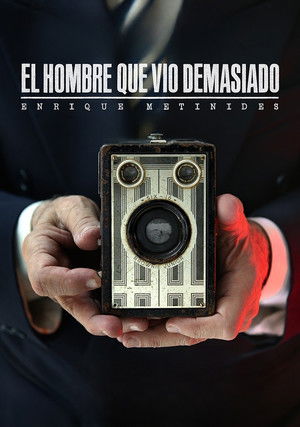
A film about fragility; about a man obsessed with photographing the accident who discovered that the fate of others was his way of connecting to life. When does the image of the accident become the object of desire? Following the footsteps of Metinides and the work of contemporary tabloid photographers, we discover Mexico City through a narrative of crime scenes and accidents; rubbernecking though Metinides’ Gaze.