Like most of the people in her town, Karen Silkwood works at the local nuclear plant producing highly radioactive plutonium. Exposed one day to a lethal dose of radiation, Karen faces the blank walls of corporate indifference and denial. As her illness increases, her protest grows louder and she becomes an obvious danger to the powers that be.
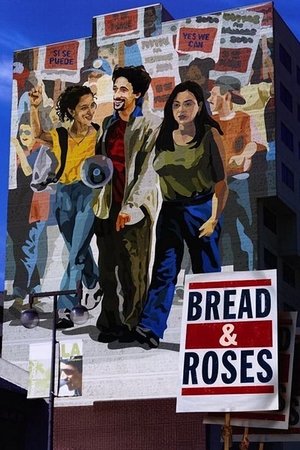
Maya is a quick-witted young woman who comes over the Mexican border without papers and makes her way to the LA home of her older sister Rosa. Rosa gets Maya a job as a janitor: a non-union janitorial service has the contract, the foul-mouthed supervisor can fire workers on a whim, and the service-workers' union has assigned organizer Sam Shapiro to bring its "justice for janitors" campaign to the building. Sam finds Maya a willing listener, she's also attracted to him. Rosa resists, she has an ailing husband to consider. The workers try for public support; management intimidates workers to divide and conquer. Rosa and Maya as well as workers and management may be set to collide.
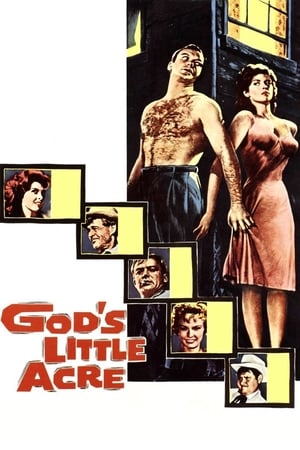
In the 1950s, a poor Georgia cotton farmer and his sons search for the gold presumably buried on the farm by their grandfather but problems related to poverty, marital infidelity, unemployment and booze threaten to destroy their family.
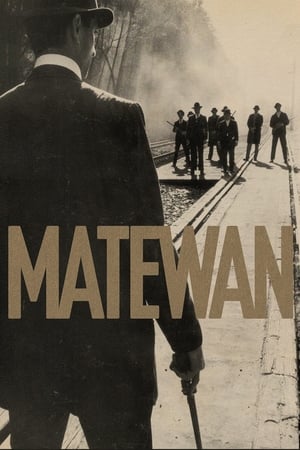
Filmed in the coal country of West Virginia, "Matewan" celebrates labor organizing in the context of a 1920s work stoppage. Union organizer, Joe Kenehan, a scab named "Few Clothes" Johnson and a sympathetic mayor and police chief heroically fight the power represented by a coal company and Matewan's vested interests so that justice and workers' rights need not take a back seat to squalid working conditions, exploitation and the bottom line.
Robert moves from the Polish countryside to work on a fish processing factory on the coast of Norway. There he falls in love with Ivar who is openly gay and a member of the workers union. Robert is hiding his sexual orientation from the other Polish immigrant workers. When Ivar helps the Polish to start a strike for better working conditions at the factory, Robert has to choose between money or love.
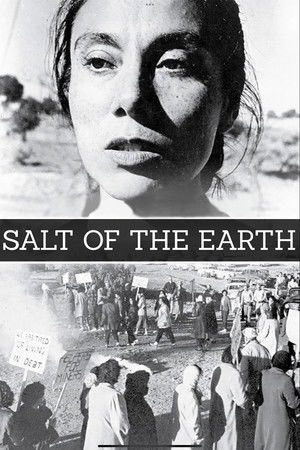
At New Mexico's Empire Zinc mine, Mexican-American workers protest the unsafe work conditions and unequal wages compared to their Anglo counterparts. Ramon Quintero helps organize the strike, but he is shown to be a hypocrite by treating his pregnant wife, Esperanza, with a similar unfairness. When an injunction stops the men from protesting, however, the gender roles are reversed, and women find themselves on the picket lines while the men stay at home.
In response to a sudden dismissal of staff, workers at a big retail store begin a protest against their employer's oppressive labor policies.
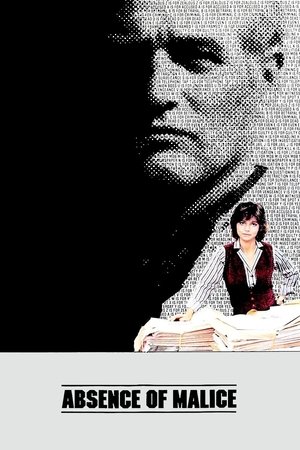
Megan Carter is a reporter duped into running an untrue story on Michael Gallagher, a suspected racketeer. He has an alibi for the time his crime was allegedly committed—but it involves an innocent party. When he tells Carter the truth and the newspaper runs it, tragedy follows, forcing Carter to face up to the responsibilities of her job when she is confronted by Gallagher.
After promising 1100 employees that they would protect their jobs, the managers of a factory decide to suddenly close up shop. Laurent takes the lead in a fight against this decision.
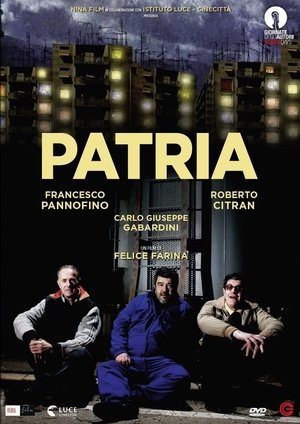
The Turin factory, another in a series of closures, shuts down, leaving workers jobless and uncertain. Salvatore, a worker, climbs the tower in protest or rage, threatening to jump. Giorgio, a shop steward with opposing political beliefs, saves him. The third worker, a visually impaired and autistic keeper, joins them, climbing the tower to keep them company. Abandoned by everyone, they wait for journalists to arrive. These diverse perspectives reflect the past thirty years of life in the country, marked by wasted opportunities, betrayed hopes, crimes, massacres, and political power struggles. We watch through archive footage, contrasting this wicked dance of events with the simple common sense of three people with no power, hanging on a tower, building a friendship without realising it.
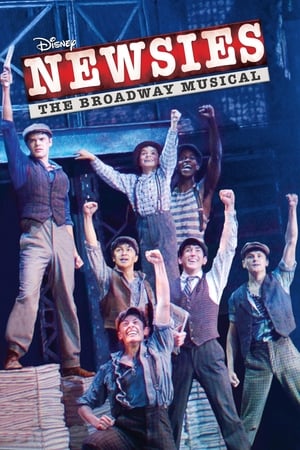
A week in the life of the exploited, child newspaper sellers in turn-of-the-century New York. When their publisher, Joseph Pulitzer, tries to squeeze a little more profit out of their labours, they organize a strike, only to be confronted with the Pulitzer's hard-ball tactics.
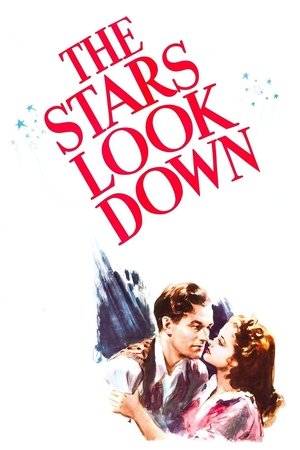
Davey Fenwick leaves his mining village on a university scholarship intent on returning to better support the miners against the owners. But he falls in love with Jenny who gets him to marry her and return home as local schoolteacher before finishing his degree.
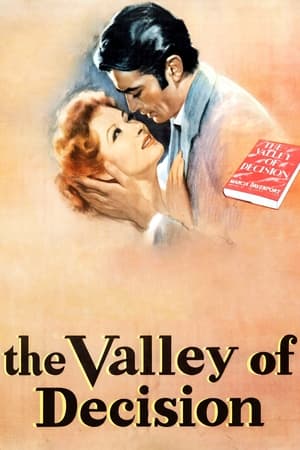
Mary Rafferty comes from a poor family of steel mill workers in 19th Century Pittsburgh. Her family objects when she goes to work as a maid for the wealthy Scott family which controls the mill. Mary catches the attention of handsome scion Paul Scott, but their romance is complicated by Paul's engagement to someone else and a bitter strike among the mill workers.
"A", a member of a student protest organization, becomes disenchanted by his group's inability to effect real change. Emboldened to pursue more radical methods by the older, experienced leftist organizer Despard, "A" unwittingly becomes party to a labor strike that turns violent. Ultimately held responsible by the authorities for the fracas, "A" allies himself with terrorist Leonard, who intends to avenge those jailed in the protest.
In 1910, women working in the silk industry in Bursa, protest against the working conditions. They go on strike.
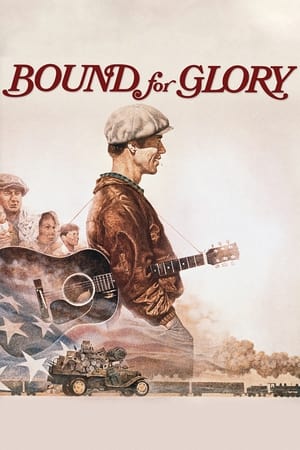
A biography of Woody Guthrie, one of America's greatest folk singers. He left his dust-devastated Texas home in the 1930s to find work, discovering the suffering and strength of America's working class.
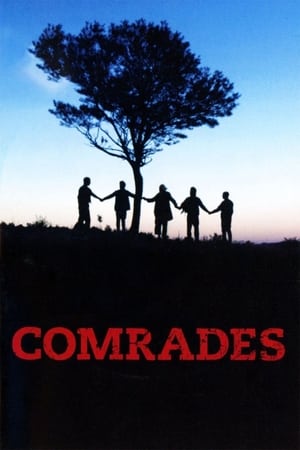
In the late 19th century, a former high school teacher turned unionist tries to organize workers laboring with inhuman conditions at a textile factory in Turin, Italy.
Workers in a factory in pre-revolutionary Russia go on strike and are met by violent suppression.
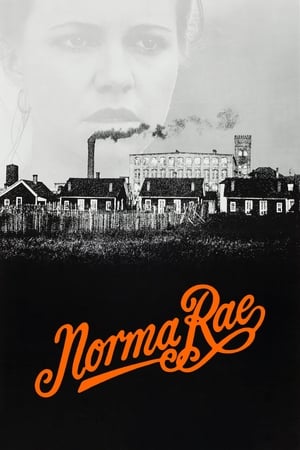
Norma Rae is a southern textile worker employed in a factory with intolerable working conditions. This concern about the situation gives her the gumption to be the key associate to a visiting labor union organizer. Together, they undertake the difficult, and possibly dangerous, struggle to unionize her factory.
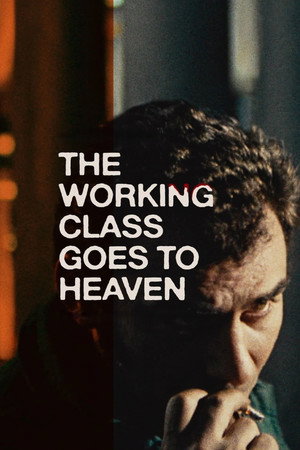
After losing a finger in a work accident, an Italian worker becomes increasingly involved in political and revolutionary groups.