An intimate look at the Woodstock Music & Art Festival held in Bethel, NY in 1969, from preparation through cleanup, with historic access to insiders, blistering concert footage, and portraits of the concertgoers; negative and positive aspects are shown, from drug use by performers to naked fans sliding in the mud, from the collapse of the fences by the unexpected hordes to the surreal arrival of National Guard helicopters with food and medical assistance for the impromptu city of 500,000.
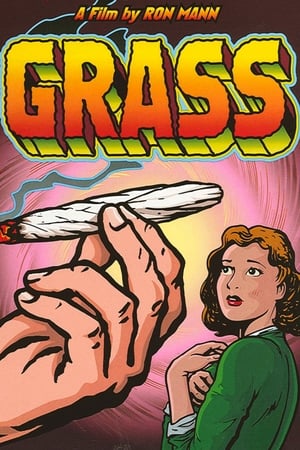
Marijuana is the most controversial drug of the 20th Century. Smoked by generations to little discernible ill effect, it continues to be reviled by many governments on Earth. In this Genie Award-winning documentary veteran Canadian director Ron Mann and narrator Woody Harrelson mix humour and historical footage together to recount how the United States has demonized a relatively harmless drug.
Documentary of the folk who use and defend treating cancer and other illnesses with Marijuana
Chêne de vie : l'amour aux temps du cancer
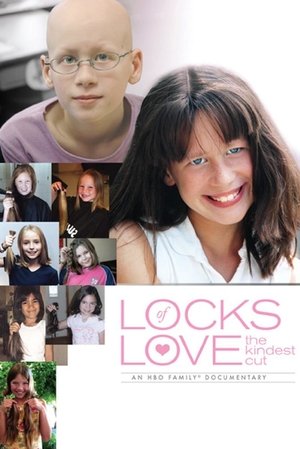
This heartwarming film focuses on Kandice, Alexa and Amanda, three young girls who are all experiencing hair loss due to illness. Their embarrassment and insecurity have been curtailed, however, because of Locks of Love--a non-profit organization where employees painstakingly create custom-molded wigs that allow the girls to feel like themselves once again.
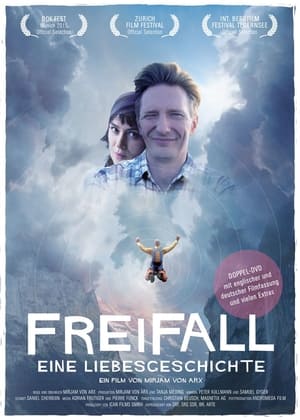
I meet Herbert in the same week I get diagnosed with cancer. We fall madly in love and plan to stay together for the rest of our lives. Three months later, he is dead. Herbert was a BASE Jumper. Leaping off a cliff with nothing but a parachute, he loses his balance, slams into the rock face and falls to his death. His loss in the midst of my chemotherapy completely throws me. Why does he gamble his life away, while I fight for mine? Desperate for answers, I return to Lauterbrunnen, the scene of the accident where Andreas, his best friend and coach, introduces me to the world of BASE. The jumpers teach me not only about the sport, but about facing fears, harnessing and controlling them. To make the most of the life we get. In the Swiss Death Valley I slowly find my way back to life.
Can cancer be fought in a climate of relative serenity? Filmmaker Danic Champoux believes so, and he attempts to demonstrate it in this feature-length documentary, which shows the activities of an oncology center and the patients who regularly attend chemotherapy treatments.
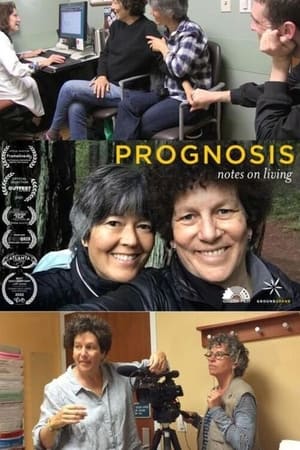
When filmmaker Debra Chasnoff faces stage-4 cancer, she turns her lens on herself and the disease. What emerges is a portrait of her extended LGBTQ family —a story about hanging on while letting go.
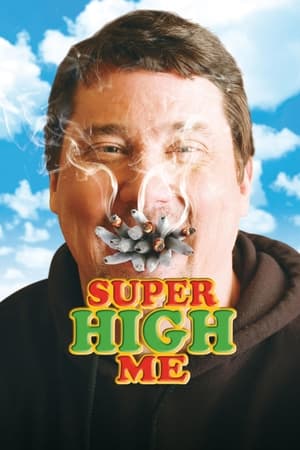
Determined to find out the true effects of marijuana on the human body, stand-up comedian and former Stoner of the Year Doug Benson documents his experience avoiding pot for 30 days and then consuming massive amounts of the drug for 30 days. More than just an amusing story of one man's quest to get superhigh, this documentary also examines the hotly contested debate over medical marijuana use.
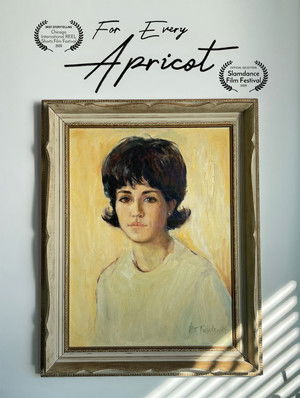
For Every Apricot drifts through the shifting terrain of memory, illustrating a grandmother’s journey in search of a “miracle drug” to cure her father’s illness. What begins as a simple family story, unfurls into a meditation on aging, fragility, and the circinate patterns that shape life. Through live-action interview, 16mm and 8mm archival footage, and a tapestry of handcrafted animation, the film moves between what is remembered, what is imagined, and what time has eroded. As she reflects on her father’s illness alongside her own, For Every Apricot becomes a deeply personal family portrait.
Documentary about a sister who becomes a sheep herder in the Pyrenees.
It was the spring of 2010 when I discovered that I was ill with leukemia. I was 29 years old and had never been in a hospital before. The fear, the chemotherapy, the waiting. After six months, everything seemed to be getting better, and a year and a half later, my first daughter, Nora, was born. So, three years later, I decided to return to the ward where everything had begun, to try to make sense of what had happened to me. Inside those rooms, I met Sabrina, who was going through what I had experienced. "Leucemia" is the story of our meeting, our journey together, and our shared experiences. It is the story of our friendship and our leukemia. (The author)
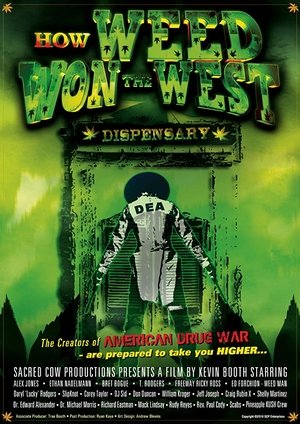
While California is going bankrupt, one business is booming. "How Weed Won the West" is the story of the growing medical cannabis / marijuana industry in the greater Los Angeles area, with over 700 dispensaries doling out the buds. As a treatment for a wide range of conditions, cannabis is quickly proving itself as a healthier natural alternative to many prescription drugs.
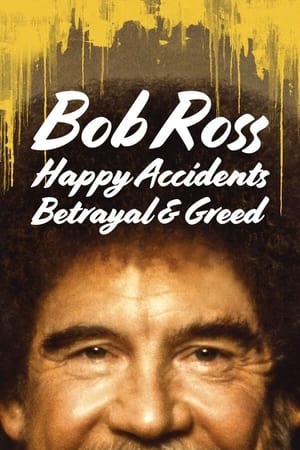
Bob Ross brought joy to millions as the world's most famous art instructor. But a battle for his business empire cast a shadow over his happy trees.
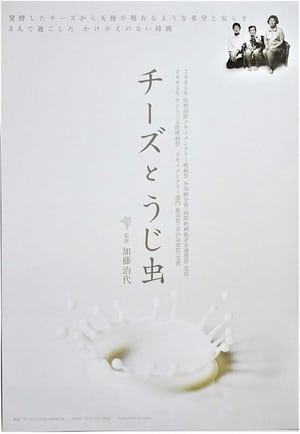
A documentary that records the daily life of a mother with a limited life expectancy and a grandmother, directed by the daughter, Haruyo Kato.
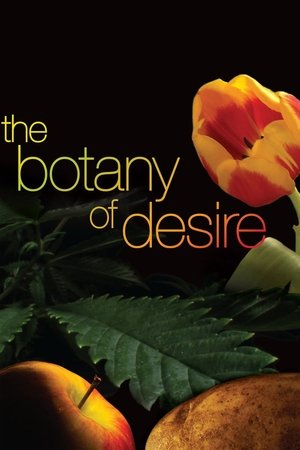
Featuring Michael Pollan and based on his best-selling book, this special takes viewers on an exploration of the human relationship with the plant world — seen from the plants' point of view. Narrated by Frances McDormand, the program shows how four familiar species — the apple, the tulip, marijuana and the potato — evolved to satisfy our yearnings for sweetness, beauty, intoxication.
Exploring their 5-decade career performing stand-up, making records, and starring in hit films. It covers their lives, comedy partnership, and lasting influence on pop culture.
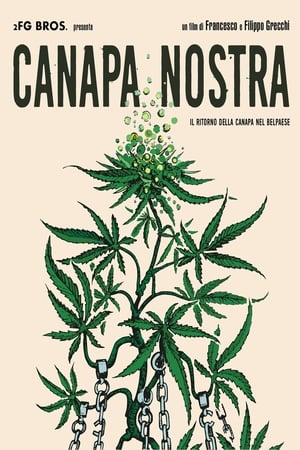
“Canapa Nostra” is a shout of the people that wants truth and justice, it is the troubled and passionate story about a forbidden plant that has accompanied humanity in his entire evolutionary history.
The war on drugs has been going on for more than three decades. Today, nearly 500,000 Americans are imprisoned on drug charges. In 1980 the number was 50,000. Last year $40 billion in taxpayer dollars were spent in fighting the war on drugs. As a result of the incarceration obsession, the United States operates the largest prison system on the planet. Today, 89 percent of police departments have paramilitary units, and 46 percent have been trained by active duty armed forces. The most common use of paramilitary units is serving drug-related search warrants, which usually involve no-knock entries into private homes.
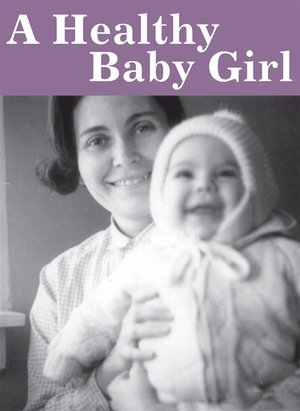
Filmmaker Judith Helfand turns the camera on herself to document her battle with cancer caused by DES, a drug prescribed to her mother during pregnancy. Refusing to confine the tears, rage, laughter and hope to dinner table conversations, Helfand invites us to witness her personal journey from radical hysterectomy patient to vocal opponent of toxic exposure. From her suburban home to the halls of Congress, the intensely private becomes widely public, and an American family is transformed and strengthened.