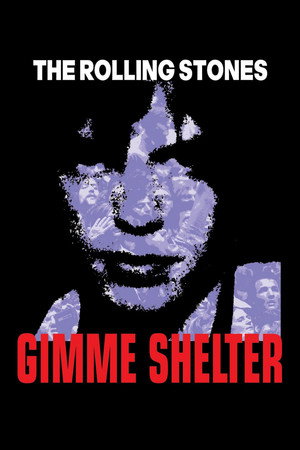
A detailed chronicle of the famous 1969 tour of the United States by the British rock band The Rolling Stones, which culminated with the disastrous and tragic concert held on December 6 at the Altamont Speedway Free Festival, an event of historical significance, as it marked the end of an era: the generation of peace and love suddenly became the generation of disillusionment.
An examination of the hitherto unexplored relationships between Pan-African culture, science fiction, intergalactic travel, and rapidly progressing computer technology.
Princess Nokia is unafraid. During the 16-minute film directed by Orian Barki and produced by The FADER, the self-proclaimed New York aficionado commands the sidewalks of the Lower East Side and East Harlem. There's footage of intimate recording sessions, shots of some of her most beloved local spots, and vulnerable stoop conversations that all show the city's important connection to her work.
Fela Anikulapo Kuti created the musical movement Afrobeat and used it as a political forum to oppose the Nigerian dictatorship and advocate for the rights of oppressed people. This is the story of his life, music, and political importance.
In 1987, Billy Joel took his family, his music and his concert show to the former Soviet Union. This feature-length documentary film looks back at the triumphs and difficulties encountered in creating the first fully staged rock 'n' roll show in the USSR. Directed by Emmy(R)-winning documentarian, Jim Brown.
The extraordinary story of a young reporter in war-torn Kobanî.
Hundreds of boxes left by the famous uruguayan musician and political activist Alfredo Zitarrosa (1936-1989) who run away the dictatorship in the 70s, have not been touched since his death 27 years ago. Now his wife and daughters are trying to save the memories, tapes, music and sound recordings that the boxes contain to the posterity.
Podium
Music is an integral part of most films, adding emotion and nuance while often remaining invisible to audiences. Matt Schrader shines a spotlight on the overlooked craft of film composing, gathering many of the art form’s most influential practitioners, from Hans Zimmer and Danny Elfman to Quincy Jones and Randy Newman, to uncover their creative process. Tracing key developments in the evolution of music in film, and exploring some of cinema’s most iconic soundtracks, 'Score' is an aural valentine for film lovers.
Martin Scorsese’s electrifying concert documentary captures The Rolling Stones live at New York’s Beacon Theatre during their A Bigger Bang tour. Filmed over two nights in 2006 with an all-star team of cinematographers, the film combines dynamic performances with archival footage and rare glimpses behind the scenes, offering a vibrant portrait of the band’s enduring energy and legacy.
The Highest Level
Comme un air d'Italie
Barry Gibb: Meine Bee-Gees-Story
Wirklich alles?!
Eddie Cochran & Friends: C'mon Everybody
Short documentary about Pakistani musician, Nusrat Fateh Ali Khan (1948-1997), leading exponent of Sufi devotional qawwali singing.
Live at the Royal Albert Hall is the second live album and video by British rock band Bring Me The Horizon. It was recorded on 22 April 2016 at thr Royal Albert Hall, with accompaniment from the Parallax Orchestra.
The history of legendary rock band Chicago is chronicled from their inception in 1967 all the way to the present.
You Gave Me A Song offers an intimate portrait of old-time music pioneer Alice Gerrard and her remarkable, unpredictable journey creating and preserving traditional music. The film follows eighty-four year old Gerrard over several years, weaving together verité footage of living room rehearsals, recording sessions, songwriting, archival work, and performances with photos and rare field recordings. Much of the film is told in Alice’s voice and via interviews with musical collaborators and family members who share the story of Alice and others chasing that high lonesome sound.
The movie captures the responses of 31 authors, musicians, filmmakers and dancers to Olivier Messiaen's monumental organ work "Apparition of the Eternal Church." Listening to the 10-minute piece through headphones, the documentary subjects-most of whom are outsiders to the church and do not know what they're hearing-put Messiaen's project to the test: Is it possible to portray, through time-bound, invisible sound, the spiritual, the architectural, the eternal? The result is a collective interpretation improvising its way through an aesthetic landscape defined by violent contradictions. Resolution abuts eternity, eroticism asceticism, spiritual ecstasy physical torture. Together, the music and its interpreters conjure something like what William Blake famously called the marriage of heaven and hell.