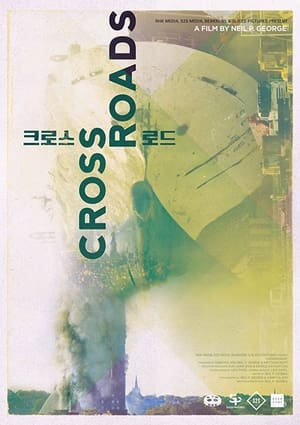
Crossroads explores the ever changing face of South Korea since the Sewol ferry disaster that tragically killed 304 people, mainly schoolchildren, in April 2014. The film takes us on a journey through Korean modern history exploring the changes the country has gone through since April 16th 2014, encompassing emotional re-enactment narrations from survivors, interviews with family members, activists, historians and the general public, as we go in search of how Korea came to yet another crossroad in its history.
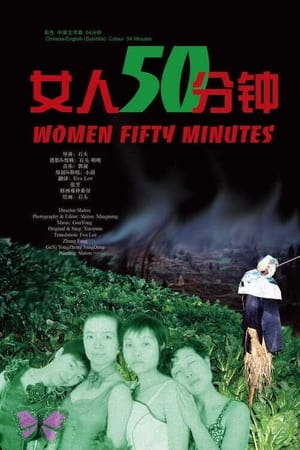
A representation of queer and feminist imagery that was mainly shot in the Qinghai-Tibetan Plateau, remote and developing areas in southwest China, and metropolitan cities like Beijing from 2000 to 2004 to document the social changes in contemporary China. The director sympathetically and erotically represents a variety of women, including women as laborers, women as prayers, women in the ground, women in marriage, and women who lie on the funeral pyre with their dead husbands. Her camera juxtaposes the mountains and rivers in old times, the commercialized handicrafts as exposition, the capital exploitation of the elders’ living space, and the erotic freedom of the young people in a changing city.
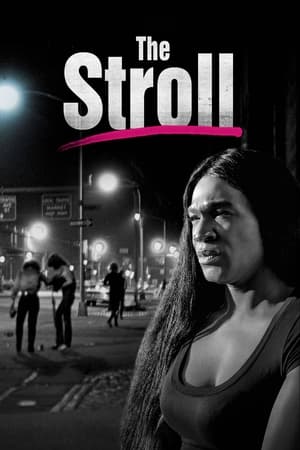
The history of New York’s Meatpacking District, told from the perspective of transgender sex workers who lived and worked there. Filmmaker Kristen Lovell, who walked “The Stroll” for a decade, reunites her community to recount the violence, policing, homelessness, and gentrification they overcame to build a movement for transgender rights.
50 years on, the Aboriginal Tent Embassy is the oldest continuing protest occupation site in the world. Taking a fresh lens this is a bold dive into a year of protest and revolutionary change for First Nations people.
Brianna: A Mother's Story - Esther Ghey tells the powerful and emotional true story of her daughter Brianna, a sixteen year old trans girl who was groomed by a murder obsessed classmate.
Australian wrestling was once a television obsession where the best in the world would clash. Now travel half way around the world with an Aussie wrestling champion to track down the greats of those glory days where generations cheered heroes, and booed villians. Here are the mad, bad and dangerous-to-know grand-daddies of the original reality television, where every move was Ruff, Tuff, and Real!
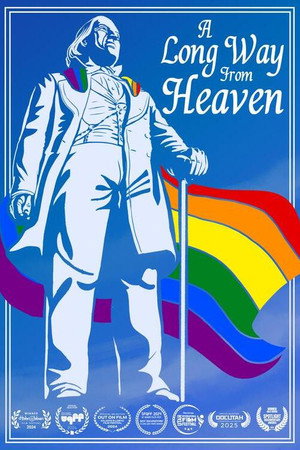
The true story of the students of Brigham Young University's queer underground, as they lit the school's iconic "Y" in rainbow colors. But, A Long Way From Heaven does a lot more than tell the story of the Rainbow Y. It outlines the history of queer treatment at BYU - the good (where it exists), the bad, and the very, very ugly. The film combines new, original footage with a huge variety of historical images, videos, newspaper articles, and other mixed media from every conceivable source to tell the story of BYU's queer students, and the bravery and risks they constantly take to make their voices heard.
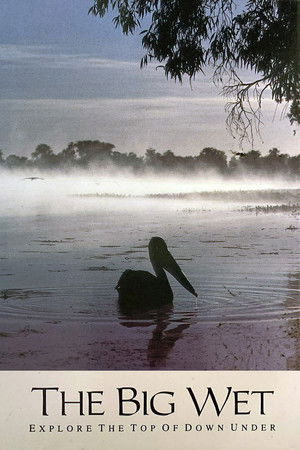
Powerful electric storms rip through an arid landscape. Salt water crocodiles occupy territories where tourists camped just weeks earlier. Cyclones devastate whole cities. Roads turn to rivers, ponds to lakes. The tropical monsoon season in the Kakadu region of Australia unleashes dynamic changes on the animals and the environment. For the first time on film, follow the natural rhythms of wet and dry, fire and rain, growth and decline in... THE BIG WET.
Landwirtschaft in Australien Vol. 1
Landwirtschaft in Australien Vol. 2
Landwirtschaft in Australien Vol. 3
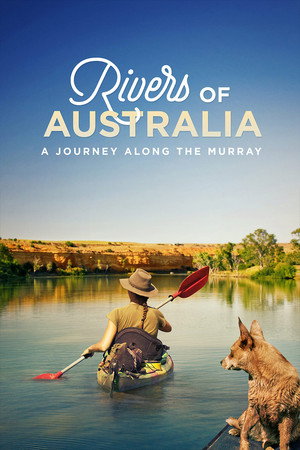
Join James and Albany, along with their faithful companions 'Onyx' and 'Rocco', on an awe-inspiring kayaking journey along Australia's longest river - the Murray.
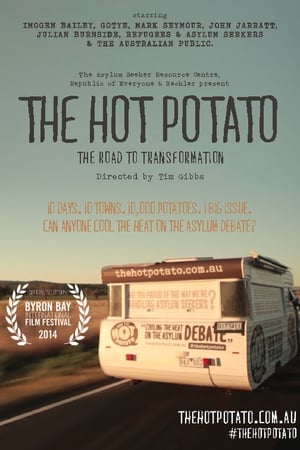
To cool the heat on the asylum debate - the biggest 'hot potato' in Australian politics, we took a hot potato food van around the country in the lead up to the 2013 Federal Election. The mission? To see what Australia really thinks asylum seekers. This is an account of this journey.
Lohnunternehmen: 5 Länder - 5 Geschichten
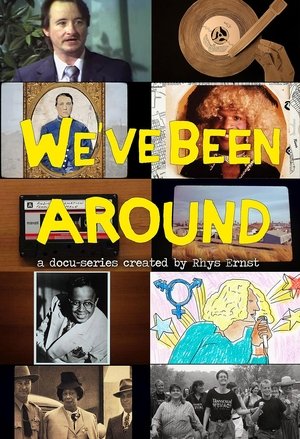
In this documentary, director Rhys Ernst tells the previously untold histories of transgender pioneers. Trans people have always been here, throughout time, often hidden in plain sight.
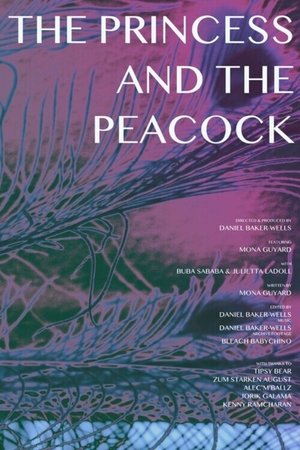
Mona is a 22 year old trans girl from a small village in France. She puts needles attached to peacock feathers in her skin, under bright lights, late at night. She bleeds, half naked, in front of small crowds of people. Sometimes they faint whilst watching her. Why would she do this? How did she learn to do it? And why would someone want to watch?
The film traces the career of some of the winners of this new generation nicknamed the "K-Classics Generation", including the 2 recent winners of the Queen Elisabeth Competition, the soprano Hwang Sumi and the violinist Lim Jiyoung. In Korea, where it all began, and in Germany where most of them have settled.
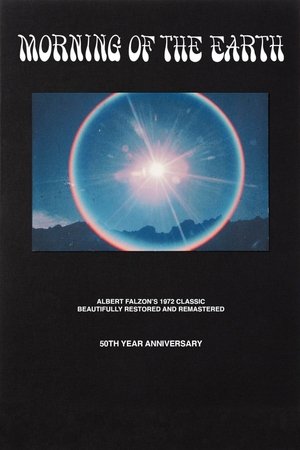
In the early ‘70s, founding member of Australian surf magazine Tracks, Albert Falzon, began filming off the North Coast of New South Wales, Hawaii, and Indonesia. He set out to make a film “that was a reflection of the spirit of surfing at the time” and the end result, Morning of the Earth, proved its worth as a vital document of surf culture and a powerful nature film.
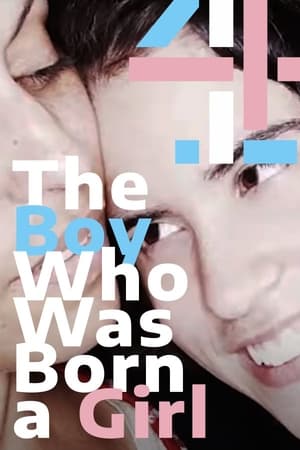
Jon is a typical teenage boy in all respects except one: he was born a girl. He has now been diagnosed with gender dysphoria, a condition that affects over 100 British children every year, and is embarking on an extraordinary journey of transition. Director Julia Moon follows mother and son through the first three months of Jon's life-changing treatment as the testosterone pushes his female body into male puberty.
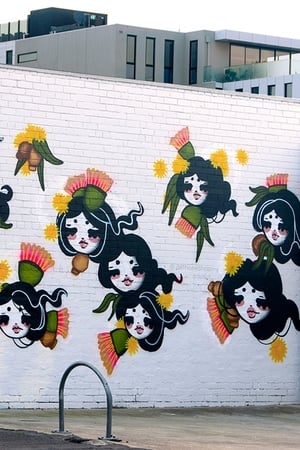
Aki's Imagination is imbued through Tobu Himeo aka the Floating Girls. As a Japanese born Australian artist, Aki Yaguchi moulds her artwork around the interplay between her heritage and being a women within a male dominated space.