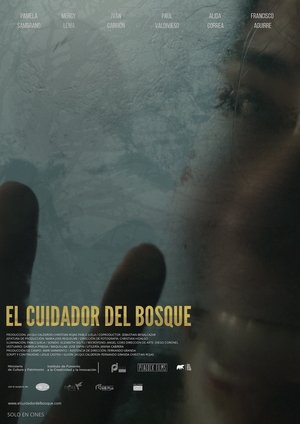
Living in the countryside of the Amazon in Brazil, Argentinian María divides herself between two lives: in the community, where she lives with Dona Belém and her son, and on her suspicious trips.
1492: Conquest of Paradise depicts Christopher Columbus’ discovery of The New World and his effect on the indigenous people.
A First Nations man takes a famous actor back to the reserve to help him cope with his drug addiction.
In this feature drama, a Canadian Indigenous youth attempts to find a place for himself. He faces culture shock as the educational system teaches him to be a white man and tries to find a way of life more meaningful to his Indigenous culture and ancestry.
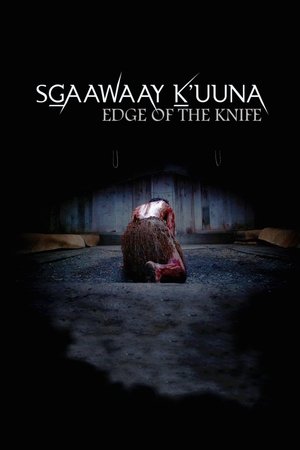
As an outbreak of leprosy engulfs 19th-century colonial Hawai'i, a small group of infected Native Hawaiians resist government-mandated exile, taking a courageous stand against the provisional government. Inspired by real-life events.
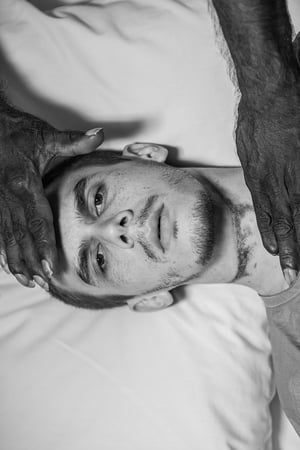
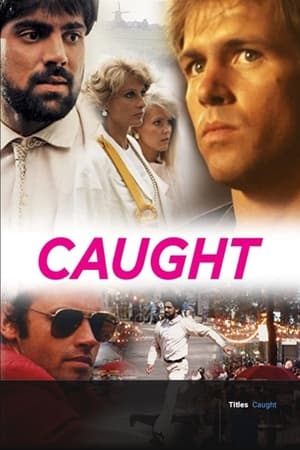
On the run after committing murder, an accountant encounters a strange Native American man who prepares him for his journey into the spiritual world.
In a violent relationship, it takes a mother’s strength to save herself and her children from the man she loved. Once Were Warriors is a violent love story set against a contemporary urban backdrop.
Exit Fee follows Skye the night she desperately tries to save her 15-year-old sister Carina from being trafficked alongside her.
An Anishinaabe man is restless and isolated in the city of Minneapolis, haunted by an ominous sense that he doesn’t belong. Shinaab eerily portrays Indigenous people’s dislocation and alienation on their own land as sinister and enigmatic forces.
At the end of the 1940s, Lebanon is sliding towards a devastating conflict. Catholic siblings Emilie and Emir decide to leave for Brazil. Aboard the ship to their new home, Emilie falls in love with Omar, a Muslim merchant. For an enraged and jealous Emir, the relationship is intolerable. As the story unfolds against the backdrop of the majestic rainforest, Emir’s actions and the choice that Emilie subsequently makes lead to disastrous consequences.
Ningiuksiak, an Inuk who lives in the settlement of Cape Dorset, is on a hunt with his family. On his way back to Cape Dorset, Ningiuksiak's snowmobile breaks down. Since he does not have the money to fix it he decides to leave his family and fly to the town of Frobisher Bay to make some money. Ningiuksiak's cousin in Frobisher Bay, Ashoona, a somewhat urbanized Inuk who makes his living as a construction worker or as a cab driver, has drifted away from hunting and the traditional way of life of the remote settlements. Ashoona takes Ningiuksiak in hand and helps him to get a job driving for the Nanook Taxi Company. Increasingly unhappy and bewildered, Ningiuksiak takes to spending his money on liquor and his time in seedy nightclubs. One night, half-heartedly trying to show that he is having a good time, he looks up and sees his wife. She has come to take him home to Cape Dorset.
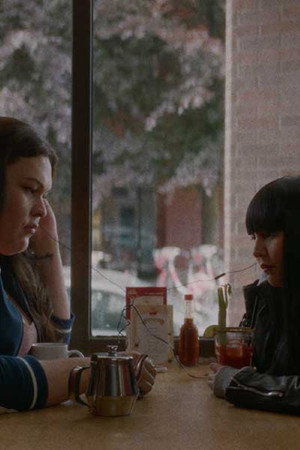
Still working through the grief of losing her only child, Thelma, a young Blackfeet woman in Browning, MT, is taken advantage of by friends who use her as de facto child care while they continue to live the freewheeling lifestyles they had before becoming parents.
When an academic unearths a forgotten history, residents of the small township of Pukekohe, including kaumātua who have never told their personal stories before, confront its deep and dark racist past.
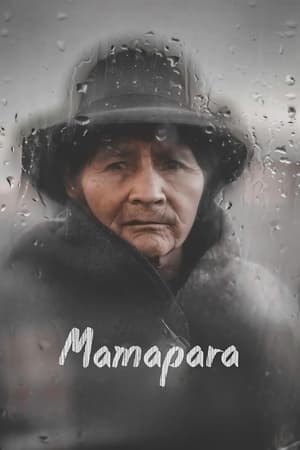
In a remote Peruvian city, lives Honorata Vilca, an illiterate woman of Quechua descent who sells candies more than 20 years ago, with the rain will cry to the sky itself.
An Indigenous woman, Sarah, recounts to her grandson Devin a story from her time in Residential School, when she was believed to be possessed by a demon.
Mina is a 30-year-old prostitute whose vagina suddenly disappears. Locked in her apartment, she records a video telling us about her life and her plans for revenge against those who attacked Escarlet, one of her loved ones. Despite this new bodily discomfort she feels, Mina will try to avenge Escarlet and put an end to the nightmare she is trapped in, where virtuality, isolation, and loneliness threaten to take over everything.
When Miro returns home at the end of World War II he finds his land taken, his people gone, his daughter stolen and his service record treated with contempt. But the battlefield has taught him how to fight and he sets out to reunite his family waging his own form of justice.
On a summer day in the 1950s, a native girl watches the countryside go by from the backseat of a car. A woman at her kitchen table sings a lullaby in her Cree language. When the girl arrives at her destination, she undergoes a transformation that will turn the woman’s gentle voice into a howl of anger and pain.
Manawan, 1977. A vehicle falls into a river near a Native community. Two Quebecers managed to escape, but five Atikamekws lost their lives. While the police conclude that it was an accident, the victims’ families are left with unanswered questions. A historical, poetic and choral tale, Soleils Atikamekw is inspired by the dreams, impressions and memories of the relatives of the five victims. In an intimate, humanistic approach, the filmmaker involves the families both in front of and behind the camera. Documentary and fiction come together in a deeply moving film about grief, injustice and memory.
Mani, a master’s student, returns to the reserve in northern Quebec where she grew up. Her painful past resurfaces. Resolved to reintegrate into the community, she gets involved in the debate around a referendum on allowing the free sale of alcohol on the reserve. Laura, a bootlegger, pockets the profits she makes there under the protection of the band council and her partner Raymond. The latter is still angry with Mani, whom he holds responsible for the death of his daughter in a fire. Opposing forces quickly divide the community into two sides who face each other to determine the best path to independence.