A short manifesto of collective resistance to police oppression in the wake of the historic 1977 raid on the Montreal gay bar Truxx.
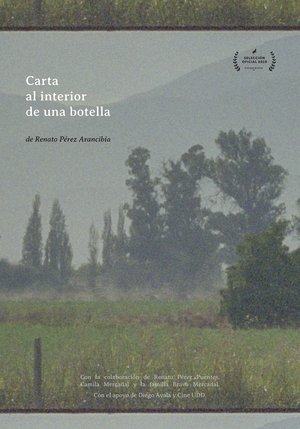
The meeting point between two comunication media: A letter written in 1929 -hidden inside the adobe walls of an old country house - and the shooting of the coutryside along the highway that connects two Chilean cities un 2018.
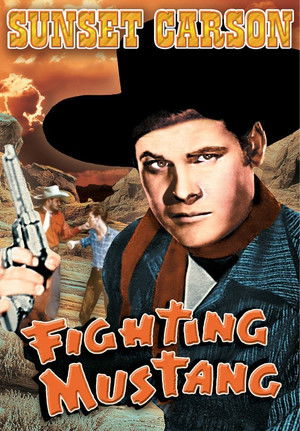
Filmed back-to-back with three other Sunset Carson vehicles in 1947, this Yucca Pictures Western starred the former Republic cowboy as a Texas Ranger chasing a gang of rustlers into the notorious outlaw territory of Three Corners. Attempting to sabotage the proposed annexation of the territory, desperado Bart Dawson (Stephen Keyes) and his men ambush Sunset and his young trainee Jed (Al Terry). The villains, who have been terrorizing pretty trading post operator Helen Bennett (Patricia Starling), are eventually defeated by the rangers in a violent gun battle and the planned annexation takes place on schedule. For all intents and purposes, the handsome but wooden Sunset Carson ended his screen career with this series of extremely low-budget Westerns, originally filmed in 16mm and released by that dumping ground of Poverty Row flotsam, Astor Pictures.
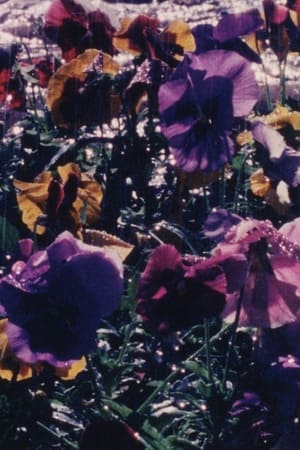
Starting from frame by frame in-camera editing, the film translates a nursery garden from Chillán into a filmic landscape, with a rhythm and structure coming from a personal relationship with color, light and occurrences that took place near the end of the summer at the Olaxis garden. This is the first part of a work which takes reference from Violeta Parra's poetry, created from flowers, plants and certain places of the Ñuble area.
A young man roams the streets of Caracas.
The "requerimiento" was a declaration by the Spanish monarchy of Castile’s divine right to take possession of the New World’s territories and to subjugate, exploit and, if necessary, fight the native inhabitants. This film explores the aesthetics of a mythological time and its archetypical creatures and materialities. Following the trajectories of a serpent and the fragment of a meteorite, "Requerimiento" develops an interwoven narration questioning human and nonhuman alterities in different epochs and cultures.
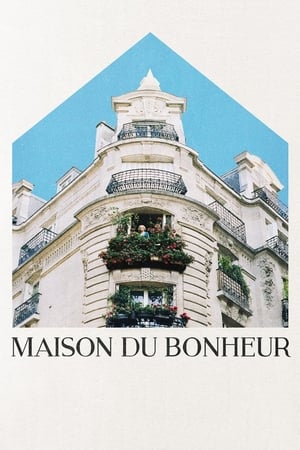
When asked to make a documentary about her friend’s mother—a Parisian astrologer named Juliane—the filmmaker sets off for Montmartre with a Bolex to craft a portrait of an infectiously exuberant personality and the pre-war apartment she’s called home for 50 years.
Burford met Breer in February 1992 and filmed his actions. Breer manipulates some of his mutoscopes: he leafs through some cards of his film in the making, Sparkill Ave! A dome-shaped sculpture slowly moves across the space.
Short 16mm film made by Naoto Yamakawa while studying at Waseda University.
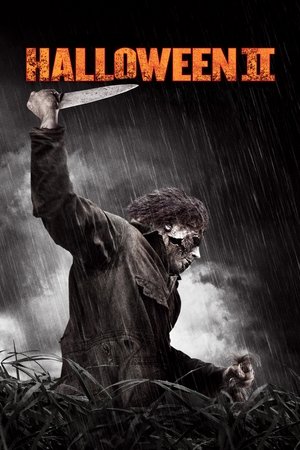
Laurie Strode struggles to come to terms with her brother Michael's deadly return to Haddonfield, Illinois. Meanwhile, Michael prepares for another reunion with his sister.
In the dead of night, somewhere between a dream and reality, television programs explore the neglected realities of the past and present.
Five teenage girls gather for a party. Tensions mount as the guests exchange makeovers and hurl accusations. Tears in the bathroom lead to a ghostly kiss. In a circle around the Ouija board, they invoke a spirit. Their faces float in blackness. Five pairs of painted nails caress the planchette as it moves, swirling pale arms behind it. Our host becomes possessed. The characters overlap. Which of these women is not herself? Uzi's Party is a short experimental narrative written, directed and edited by Lyra Hill. All five characters are played by her sister Johanna Hill. Uzi's Party was filmed entirely in-camera on 16mm film, by means of intricately plotted multiple exposures and a cast of thirteen body doubles.
The Cavalcade of Perversion, a traveling freak show, acts as a front for Divine, who is out for blood after discovering her lover's affair.
Across the sea. Across the street. Cross processed and grain-enlarged images of fraught neighbours Korea and Japan who have difficulty making each other out.
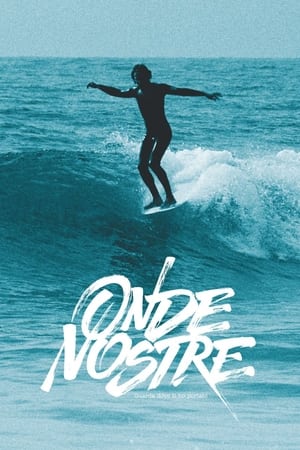
Onde Nostre is a lifestyle documentary film that shows the peculiarity of the Italian surf scene and the beauty of this sport, even in a country that's not usually considered a top destination for catching waves. With this film we intend show the passion and high level of the Italian surfers. The film is shot mainly in 16mm and super 8 and only a small part is shot digital in order to emphasize the beauty of the landscape. The film has a romantic approach to surfing. Action has a great relevance, with slow motion segments and an emotional editing. Onde Nostre also shows Italian surfers lifestyles and the endless search for good waves in the Mediterranean sea.
"In a recurrent dream I keep on following your steps, always at your heels." A handicraft film, a travel journal where the lead character is the one behind the camera pulling the trigger regularly and composing the frame’s area and duration.
When Devan’s ex-girlfriend, Skye, knocks on his door with unmerited forgiveness and sexual desire, his naive lust leaves him too late to discover the monster which lies beneath her skin.
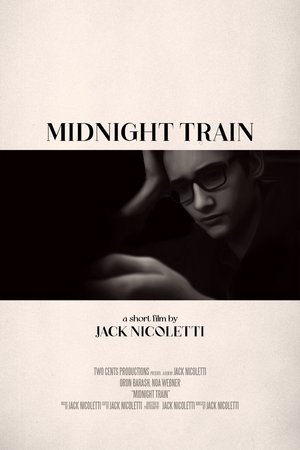
A young man reminisces on his relationship with a friend while awaiting a midnight train to New York City.
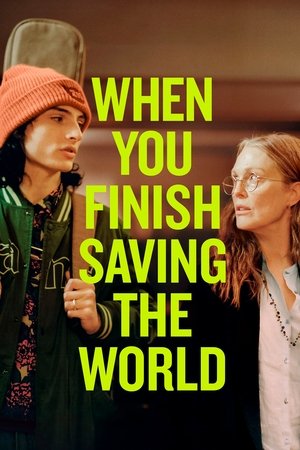
Evelyn has devoted herself to helping people in hard times, and she struggles to connect with her son Ziggy, an aspiring internet star oblivious to the problems of the world. As Evelyn attempts to become a parent figure to an unassuming teenage boy she meets at her women's shelter, Ziggy fumbles through his pursuit of a politically conscious girl at his high school.
A visual essay revealing social inequality as the silent sickness of COVID-19 lockdown America. To highlight the disconnect between the fantasy of Los Angeles and the lived reality for many of its citizens, a computerized voice gives a dispassionate monologue over imagery that explores the truth of a city after the tourists, luxury stores and entertainment are removed from the streets. Through silent vignettes, the film leaves us with images of homelessness, and comments on the shallowness of capitalism and the hypocrisy of multiculturalism.