Originally broadcast on ABC's True Stories in 1993, Feed Them to the Cannibals tells the story of Sydney's Gay and Lesbian Mardi Gras. It was the first time cameras were allowed at Sleaze Ball and the Mardi Gras Party.
No Mercy, No Remorse takes viewers back to the winter of 1993, with a journey into the deeply disturbing world of Paul Charles Denyer, the then 21-year old who is currently serving three life sentences for the Frankston murders.
Could Australia's past help secure its future? 65,000 years in the making, Burnt Country is about fighting fire, with fire. Exploring the profound knowledge and wisdom of First Nations, this film is an invitation to connect to country and community.
takayna / Tarkine in northwestern Tasmania is home to one of the last undisturbed tracts of Gondwanan rainforest in the world, and one of the highest concentrations of Aboriginal archaeology in the hemisphere. Yet this place, which remains largely as it was when dinosaurs roamed the planet, is currently at the mercy of destructive extraction industries, including logging and mining. Weaving together the conflicting narratives of activists, locals and Aboriginal communities, and told through the experiences of a trail running doctor and a relentless environmentalist, this documentary, presented by Patagonia Films, unpacks the complexities of modern conservation and challenges us to consider the importance of our last truly wild places.
This short film involves a dramatic retelling of Australia's actual war against their own national bird, two soldiers fight for their lives to escape a horde of bloodthirsty emus after a surprise attack. Link for movie : https://www.youtube.com/watch?v=dkmflJne_yU
Eight men escape from the most isolated prison on earth. Only one man survives and the story he recounts shocks the British establishment to the core. This story is the last confession of Alexander Pearce.
A visual journey into the life and legacy of one of Australia's most celebrated artists, Brett Whiteley.
There's a mysterious predator lurking in the depths of Australia's wild Southern Ocean, a beast that savagely devoured a great white shark in front of cinematographer David Riggs 11 years ago. Riggs's obsession to find the killer leads him to an aquatic battle zone that's remained hidden until now. Here, killer whales, colossal squid and great white sharks face off in an underwater coliseum where only the fiercest creatures of the marine world survive.
The raw, heartfelt and often funny journey of adult Aboriginal students and their teachers as they discover the transformative power of reading and writing for the first time.
The PhanDom Menace presents the definitive look at the most devoted fans on the planet. Follow the lives of Australia's most passionate Star Wars fans as the moment they've waited 16 years for is suddenly upon them. See the amazing costumes, trivia soaked brains, vast collections and unconditional dedication that make these fans a breed apart. Be stunned by the shockwaves that echo through the Star Wars fan community at the dawn of its new prequel era.
Follows Mas and Saha, two young Iranian asylum seeker musicians, navigating a frightening new world of immigration detention - where they discover the power of music.
A contrast between two kinds of attitudes to gay liberation in Adelaide.
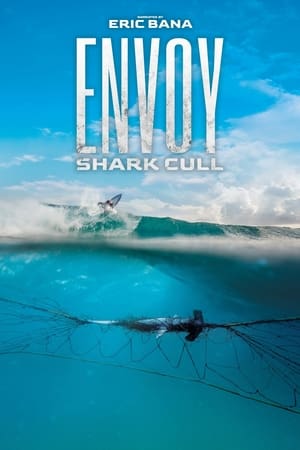
Envoy: Shark Cull is a fascinating, deeply moving documentary narrated by Eric Bana, which sheds light on the real story behind the coastal ‘shark safety’ programs in Queensland and New South Wales. The current methods of baited drum-lines and nets have not only been scientifically proven to be ineffective in protecting swimmers and surfers, leaving them at risk in the sea, but these outdated solutions continue to be allowed to negatively impact entire marine ecosystems—including the Great Barrier Reef. Follows some of the biggest names in ocean conservation, such as Sea Shepherd, Ocean Ramsey and Madison Stewart. We will join these experts as they explore and expose this scarcely understood topic. We will also learn the importance of sharks in our oceans while uncovering the longest marine cull in history.
In the early ‘70s, founding member of Australian surf magazine Tracks, Albert Falzon, began filming off the North Coast of New South Wales, Hawaii, and Indonesia. He set out to make a film “that was a reflection of the spirit of surfing at the time” and the end result, Morning of the Earth, proved its worth as a vital document of surf culture and a powerful nature film.
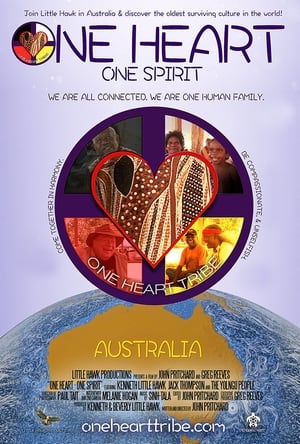
An Aboriginal Australian and Native American documentary narrated by award-winning actor Jack Thompson, One Heart-One Spirit tells the story of Kenneth Little Hawk, an elder Micmac/Mohawk performing artist, meeting the oldest surviving culture on the planet: the 40,000 year old Yolngu nation located in northern Australia.
Long thought to be the first film ever made by an Indigenous filmmaker, Black Fire examines the situation of First Nations people in the early 1970s through politically charged discussions, comical vox pops, and interviews with luminaries of the time such as Pastor Doug Nicholls and Aboriginal Tent Embassy co-founder Bertie Williams.
RODEO ROAD explores the unique cowboy culture of Australia's remote north west in the pursuit of the rodeo dream - eight seconds of bull riding glory. Each year cowboys from across the Kimberley load up their saddles, chaps and wranglers and go rough-riding. Some are born and bred in the saddle, while others are young ringers from over east who come to muster through the dry season. Come rodeo time they are chasing the dream, gripped by the rodeo fever of the wild north west.
Are eligible Indigenous bachelors an endangered demographic in the 21st century? That’s the question cheekily posed by Tracey Rigney’s debut documentary short, which invites First Nations individuals to confide what they desire, what holds them back, and their hopes and worries about whether they’ll ever find The One. Endangered first screened at the Melbourne International Film Festival in 2005.
In his most personal documentary yet, Chris Hemsworth turns the camera on his own family after his dad’s recent Alzheimer’s diagnosis. They embark on a road trip into their past, exploring the science of social connection and how it can support memory function. They revisit meaningful places and faces, capturing it all as a home movie, and reviving treasured recollections.
A docu-drama shot in 1970, but not completed until 1973, the film sought to encapsulate in an experimental form issues that were under discussion within the Women’s Liberation Movement at this time and to thus contribute to action for change. In its numerous community screenings, active debate was encouraged as part of the viewing experience.