¿Por qué morir en Madrid?
Nada a ver
Born in Campo de Criptana, a small village in the Spanish region of La Mancha, Sara Montiel (1928-2013) conquered Mexico, Hollywood, and the hearts of people. The recognition of an unparalleled professional career, an intimate dialogue with a tireless worker who took the stage at the age of twelve and never got off. A movie star who seduced millions of viewers around the world, a singer who reinvented a musical genre, a woman who broke the mold…
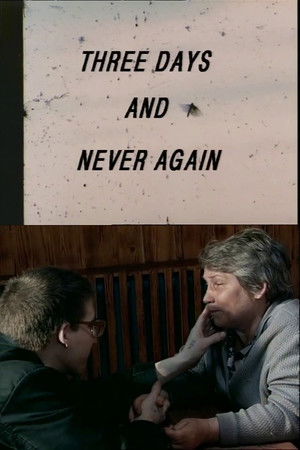
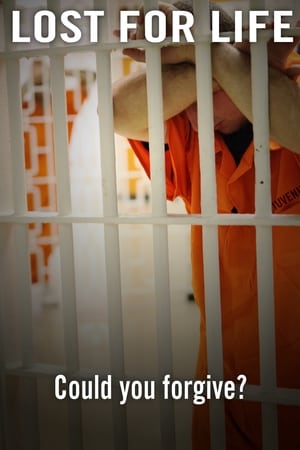
A documentary about juveniles who are serving life in prison without parole and their victims' families.
Documentary produced by Falange and edited in Berlin, in response to the international success of the Republican production "Spain 1936" (Le Chanois, 1937).
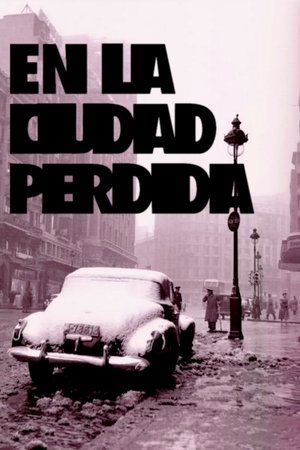
Is the story of a generation of thieves who achieved their greatest victories in the sixties; their distinctive code of ethics, the various categories of delinquents inhabiting the citys streets, their alliances with high ranking police officials that allowed them to operate, the betrayals that followed, and the price they ended up paying.
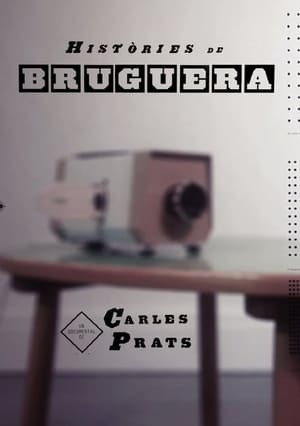
The history of Bruguera, the most important comic publisher in Spain between the 1940s and the 1980s. How the characters created by great writers and pencilers became Spanish archetypes and how their strips persist nowadays as a portrait of Spain and its people. The daily life of the creators and the founding family, the Brugueras. The world in which hundreds of vivid colorful paper beings lived and still live, in the memory of millions, in the smile of everyone.
The amazing story of Cifesa, a mythical film production company founded in Valencia by the Casanova family that managed to dominate the box office during the turbulent times of the Second Spanish Republic, the carnage of the Civil War and the hardships of the long post-war period and Franco's dictatorship — and survive until the sixties, when Spain was timidly beginning to change.
Rosa is a Mexican woman who, at the age of 17, migrated illegally to Austin, Texas. Some years later, she was jailed under suspicion of murder and then taken to trial. This film demonstrates how the judicial process, the verdict, the separation from her family, and the helplessness of being imprisoned in a foreign country make Rosa’s story an example of the hard life of Mexican migrants in the United States.
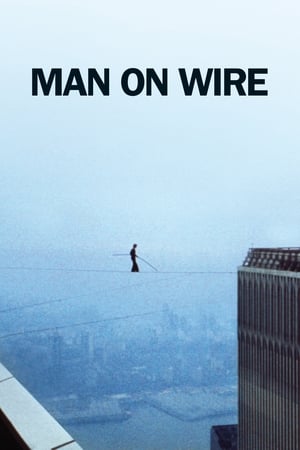
On August 7th 1974, French tightrope walker Philippe Petit stepped out on a high wire, illegally rigged between New York's World Trade Center twin towers, then the world's tallest buildings. After nearly an hour of performing on the wire, 1,350 feet above the sidewalks of Manhattan, he was arrested. This fun and spellbinding documentary chronicles Philippe Petit's "highest" achievement.
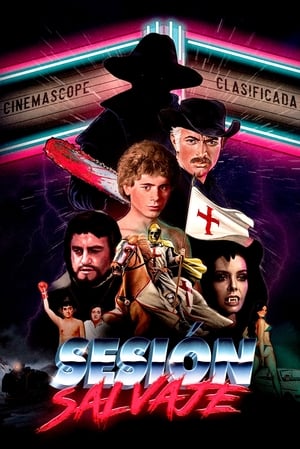
A walk through the golden age of Spanish exploitation cinema, from the sixties to the eighties; a low-budget cinema and great popular acceptance that exploited cinematographic fashions: westerns, horror movies, erotic comedies and thrillers about petty criminals.
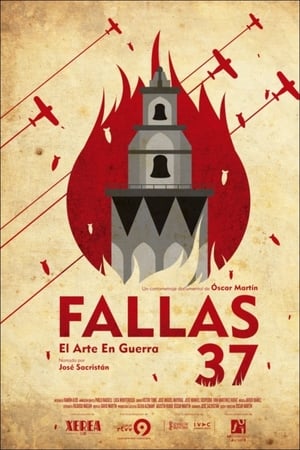
In November 1936, a few months since the beginning of the Spanish Civil War, the government of the Second Republic moves to Valencia. In this situation, several Valencian artists and intellectuals decide to build four fallas — satirical plasterboard sculptures created to be burnt — to mock fascism.
In his time of greatest splendor, the singer Miguel 'Bambino' Vargas Jiménez (1940-99) was the last frontier of flamenco, an immense musical genre that he developed and brought closer to large audiences: an artist of artists, the idol of the roadside bars, whose inimitable style, scenic magnetism and heartbreaking personality made of his figure a myth, a king without a kingdom, a giant of the popular music of the 20th century.
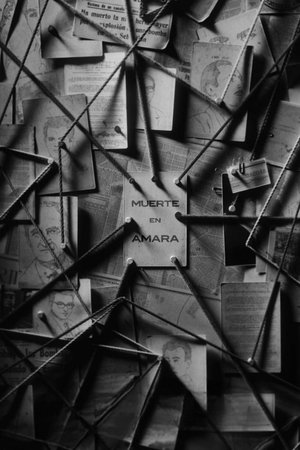
During the Second World War, the Allies threaten to attack Spain, an allegedly neutral country, if the Francoist regime keeps allowing Nazi Germany to extract Galician tungsten, a strategic mineral, paramount to the war effort.
One of the first (and perhaps therefore ambiguous) approaches to homosexuality in Spain at the time. The film narrates in cinematographic form the problem of the third sex, its justification and its existence within a real environment that is society itself. Two parallel worlds are shown to us; one, the hard and professional life of some artists who try to put on a 'music-hall' show. The other world is independent but it shows us what the life of an old glory was like, of an old man who was an artist in his time. Comparing one era with another is the intention of the film and ultimately its plot.
Waffen-SS officer Otto Skorzeny (1908-75) became famous for his participation in daring military actions during World War II. In 1947 he was judged and imprisoned, but he escaped less than a year later and found a safe haven in Spain, ruled with an iron hand by General Francisco Franco. What did he do during the many years he spent there?
Norbert Witte, once the king of the only amusement park of the former GDR, today he is behind bars in Germany. When fleeing bankruptcy in Berlin, Norbert Witte and his family secretly shipped their rollercoasters to Peru. Things went wrong here too. In a desperate attempt, Norbert tried to smuggle cocaine to Germany. Three years later his 23 years old son Marcel was sentenced to 20 years in a Peruvian prison. Now the father is doing everything he can in order to free his son.
The story of iconic Spanish artist Susana Estrada's struggle against censorship and sexual repression during the turbulent years following the death of dictator Francisco Franco.
Three women are in enclosed psychological zones that function as both refuge and jail.
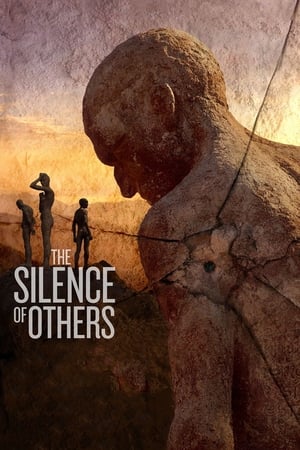
The story of the tortuous struggle against the silence of the victims of the dictatorship imposed by General Franco after the victory of the rebel side in the Spanish Civil War (1936-1975). In a democratic country, but still ideologically divided, the survivors seek justice as they organize the so-called “Argentinian lawsuit” and denounce the legally sanctioned pact of oblivion that intends to hide the crimes they were subjects of.