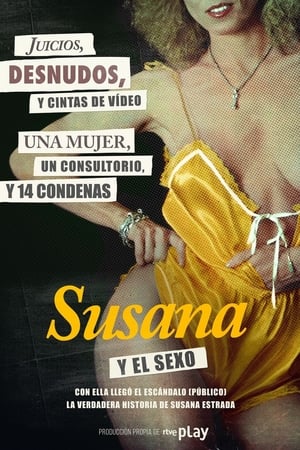
The story of iconic Spanish artist Susana Estrada's struggle against censorship and sexual repression during the turbulent years following the death of dictator Francisco Franco.
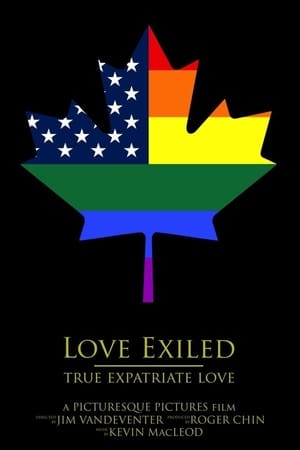
On November 4th, 2008, three states - California, Florida and Arizona - voted to amend their constitutions, denying and revoking the rights of same-sex couples to marry. On May 26, 2009, with Canadian allies, gay American families rally at a Vancouver demonstration to protest these amendments that persecute the LGBTQ community. Demonstration organizer Roger Chin relays the California Supreme Court's infamous decision on Prop 8. Subsequent speakers talk about couples living in exile. Weaving elements of public protest and intimate interviews, four families share their stories of how they met, their decision to escape to freedom in Canada, their Canadian experience and their dreams of returning to their home country, family and friends. In the end, the organizer celebrates the freedoms to marry that exists in Canada.
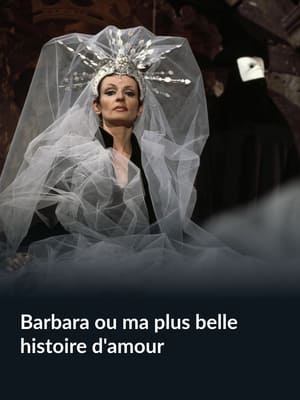
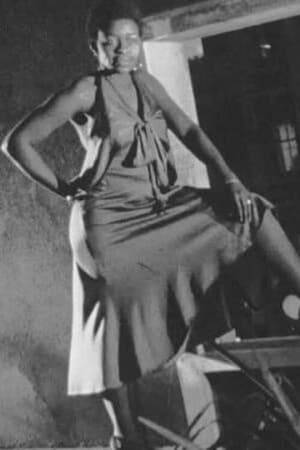
In the early 70s, Barbara discovered herself backstage on her French tour. The artist plays with intimacy and camera glances. Between concerts, she talks to herself and the men in her life.
What does mean to be gay and be a man? There's no straight answer for sure. From the Castro culture of the 1970s to today’s Bears and gym rats, this fascinating investigation of gay men and sexuality blows the lid off old stereotypes and showcases a battalion of interviewees including muscle men, rodeo riders, rugby players and cops. The men speak candidly on topics from homophobia to metrosexuality to embracing effeminacy as they reveal what it means to be a gay man in America today.
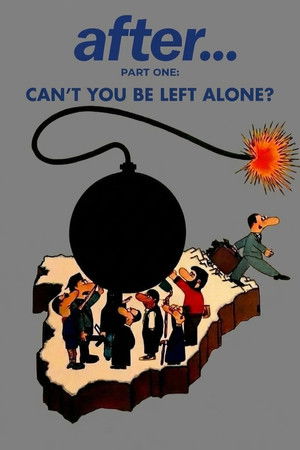
A history of the Spanish Transition told in first person by the main protagonists: on the one hand, the politicians, idealistic or merely opportunistic, who brought it to a successful conclusion in the tribunes and offices; on the other hand, the citizens who, in the streets, supported it sincerely or fought it with ferocity.
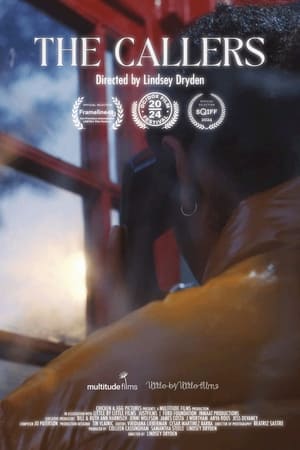
THE CALLERS combines anonymous documentary testimony with imagined creative scenes to tell the story of those who have called the oldest queer support line in the UK, seeking guidance on everything from where to find the nearest leather club to how to come out, start a family or mend a broken heart. The film is a love letter to queer memory and possibility, LGBTQ+ community and care, and the power of collective imagination to create the lives we dream of.
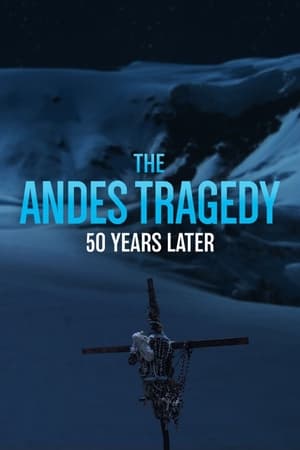
In 1972, a plane carrying an Uruguayan rugby team disappeared into the Argentinean Andes. Now, 50 years after one of the greatest ordeals of survival in recorded human history, the full story is finally comprehensively told through the words of each of those who lived it.
Summer of revolution
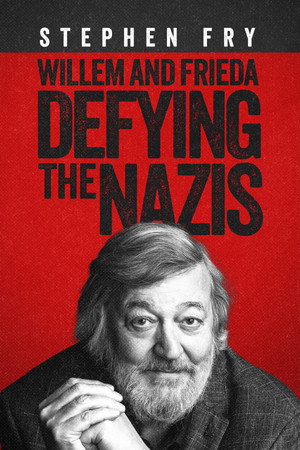
Willem was an artist who lived openly as a gay man at a time when few did. Frieda was a well-connected musician who became the first woman to lead an orchestra. We learn of their early lives and the selfless decisions that informed their devotion to the anti-Nazi cause, often at great personal risk. The gentle revelation of these extraordinary lives is gradually revealed through archive footage, skillfully combined with photographs and interviews with experts, journalists and family members.
Back in 1976, microprocessors had a maximum of 8.5K transistors for 64bits of memory. The Queen of England sent her first email, and Steve Wozniak designed the Apple I. And a post-Star Trek but pre-TJ Hooker William Shatner made this film for AT&T about the future of microprocessors.
Studio 54 was the epicenter of 70s hedonism - a place that not only redefined the nightclub, but also came to symbolize an entire era. Its co-owners, Ian Schrager and Steve Rubell, two friends from Brooklyn, seemed to come out of nowhere to suddenly preside over a new kind of New York society. Now, 39 years after the velvet rope was first slung across the club's hallowed threshold, a feature documentary tells the real story behind the greatest club of all time.
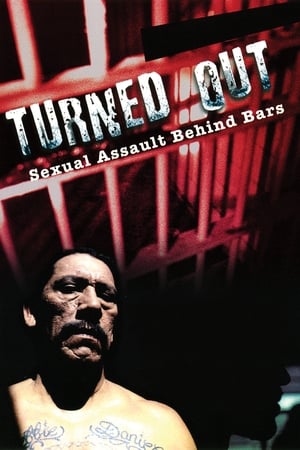
A look beyond the shock and inhumanity of prison rape to the intricate social hierarchy that keeps it alive. A filmmaker goes deep inside Alabama's infamous Limestone penitentiary to uncover the long-term causes and consequences of prison rape. With a startling lack of inhibition, five inmates reveal the workings of an elaborate inner society.
Recounted mostly through animation to protect his identity, Amin looks back over his past as a child refugee from Afghanistan as he grapples with a secret he’s kept hidden for 20 years.
A Ghanaian fashion student and a Nigerian squash player are among the Africans making a life in 70s Britain.
One teacher and a handful of students, who are pariahs in more traditional schools because of the sexual preferences, struggle with all of the angst and troubles of high school kids in additions to the problems novel to their situation.
In 1976 with the Cold War raging, the Philadelphia Flyers took to the ice to play the unbeaten Russian Red Army team. What happened that day went down in sports history.
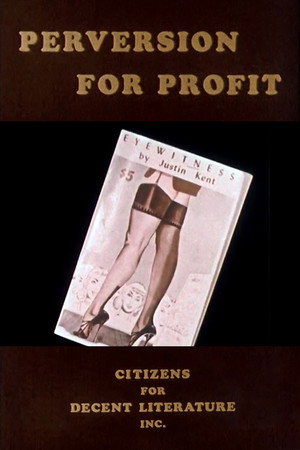
Centered around a vehement diatribe against pornography delivered by news reporter George Putnam, the film attempts to link explicit portrayals of human sexuality to the subversion and decline of American civilization, and briefly draws a parallel between pornography and Communist infiltration. Perversion for Profit illustrates its claims with still images taken from various softcore pornography magazines of the period-- though, 'sensitive' parts of the human anatomy have been obscured by colored bars. The film is in the public domain, and has become a popular download from the Prelinger Archives.
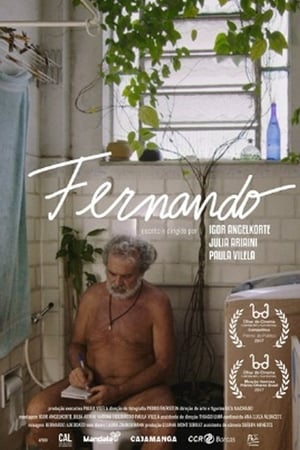
Fernando is an actor and theater teacher who, at the age of 74, is impelled to be the protagonist of himself in an experience that blurs the boundaries between the documentary and the fictional. Faced with a delicate problem in his heart, he follows a life full of love for art, where education emerges as a powerful transforming element of reality.
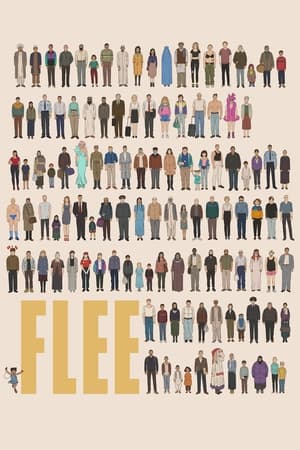
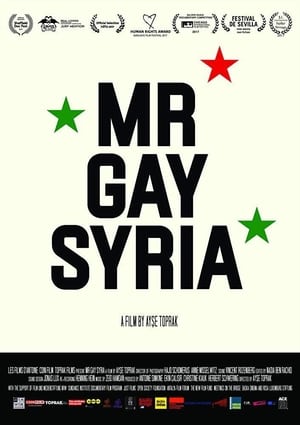
In focusing his attention on the competitors of Mr Gay Syria, director Ayse Toprak shatters the one-dimensional meaning of “refugee”. Using the pageant as a means of escape from political persecution, the organiser Mahmoud — already given asylum in Berlin — hopes to offer the winner a chance to travel as well as bring international attention to the life-threatening situations faced by LGBT Syrians.
An interview with actress Me Me Lai on her work in the three Italian cannibal-themed movies "The Man from Deep River", "Last Cannibal World" and "Eaten Alive", as well as on her participation in Lars von Trier's "Element of Crime".