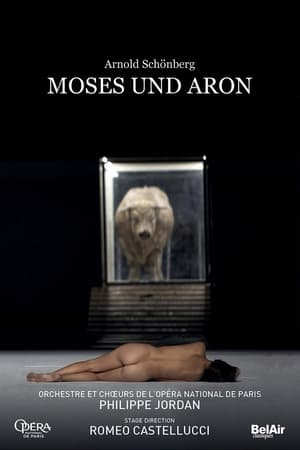
Moses und Aron is a three-act opera by Arnold Schoenberg with the third act unfinished. The 2015 Production was led by Romeo Castellucci in Paris. Moses und Aron was filmed for television by film director François-René Martin, in co-production with the Paris Opera, Bel air Media and Arte, with support from the CNC.
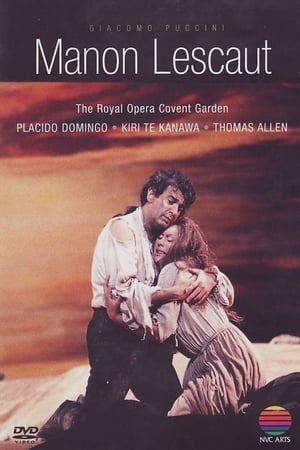
"Manon", wrote Puccini to his publisher Giulio Ricordi in 1889, "is a heroine I believe in and therefore she cannot fail to win the heart of the public." This turned out to be a truly prophetic statement since none of Puccinis other world successes were received on their first nights as rapturously as Manon Lescaut. The popularity of Puccinis great masterpiece has never waned and the highly acclaimed Götz Friedrich production at Covent Garden was hailed as an operatic milestone. Two of the worlds leading stars--Kiri Te Kanawa and Placido Domingo--head a strong cast conducted by the brilliant Italian conductor Giuseppe Sinopoli.
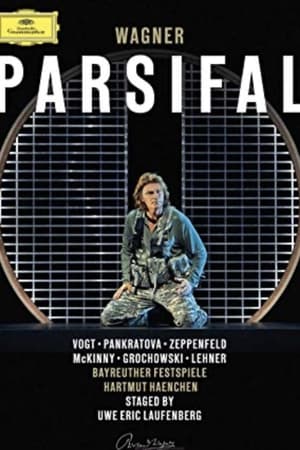
German composer Richard Wagner wrote Parsifal, which is a three-act opera that tells the story of the title character's quest to save the Knights of the Holy Grail by returning the Holy Spear, healing King Amfortas, and carrying out the sacred ceremony of uncovering the Holy Grail.
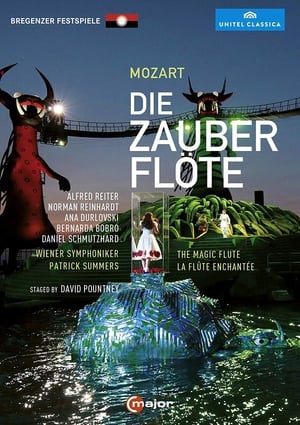
What begins like a fairy-tale turns into a whimsical fantasy halfway between magic farce and Masonic mysticism: The Magic Flute links a love story with the great questions of the Enlightenment, juxtaposes bird-catcher charm with queenly vengeance, and bewitches the listener with music that mixes cheerful melodies, lovers’ arias, showstopping coloraturas and mysterious chorales. W. A. Mozart’s opera premiered in 1791 and is one of the most often performed operas in the world. The production on the Bregenz Festival lake stage impresses the audience with a fantastic setting framed by three dog-dragons, each of them more than twenty meters in height. “David Pountney finds stunning answers to the everlasting questions surrounding ‘The Magic Flute’.” (Tagesspiegel) “The ‘play on the lake’ in Bregenz takes the audience into a fantasy world.” (Salzburger Nachrichten)
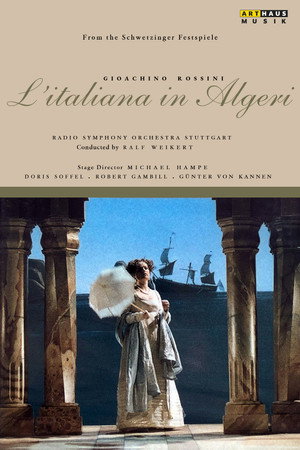
Live performance from the Schwetzinger Festspiele, 1987. At the age of 21, Italian composer Giacchino Rossini penned the masterful comic opera “L’Italiana in Algeri” (“The Italian Girl in Algiers”) in less than a month. The composer’s youthful exuberance comes across in this infectious 1987 performance. Though she’s known mainly for her Wagner roles, acclaimed German mezzo-soprano Doris Soffel shines in the title role of Isabella. Ralf Weikert conducts, and Mauro Pagano oversees sets and costumes.
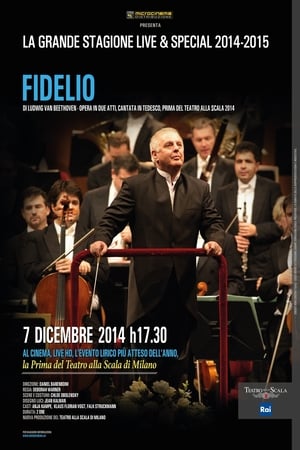
A tribute to marriage coming from a bachelor is a tad suspicious. But for Beethoven the idealization of the woman-bride was heartfelt and sincere. It has always been a unique opera starring a courageous wife who wows audiences. Fidelio is a moral title, associated with the ideals of liberty of the French Enlightenment. Nobility and commoners are united in their thirst for justice against the oppression of power. For once the faithful consort of a desaparecido wins her battle against a treacherous tyrant, and the collective joy truly is “nameless”, as is sung on the stage. Especially because the “our heroes to the rescue” finale is recounted by the triumphant symphonic flair of the quintessential musician. Beethoven really does bring the world to collapse at the conclusion of this opera, which begins like a delightful little comedy, but which scales and transcends all the summits of the dramatic-musical art.
Wagner's Ring of the Nibelungen is regarded as one of the most important milestones in the history of music. In the first part, the Rheingold, it begins with the chain of fateful entanglements that ultimately attracts the downfall of the race of the gods.
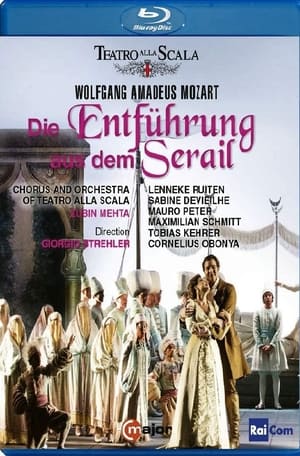
A Mozart opera at La Scala in Milan.
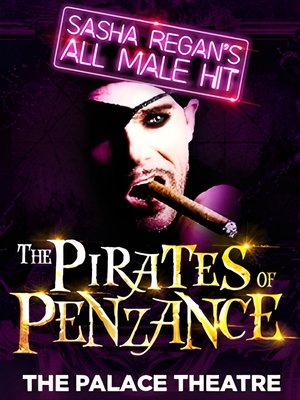
Sasha Regan’s award-winning All-male Company are set to lift everyone’s spirits with a treat in their new West End pirate’s cove. The swashbuckling pirates and their winsome lasses sail into the Palace Theatre with their inventive new take on W. S. Gilbert & Arthur Sullivan’s classic operetta THE PIRATES OF PENZANCE. Featuring a dazzling cast singing songs including: “I am a Pirate King”; “Oh, happy day, with joyous glee” and “A rollicking band of pirates we”, they are sure to raise the roof off the Palace Theatre!
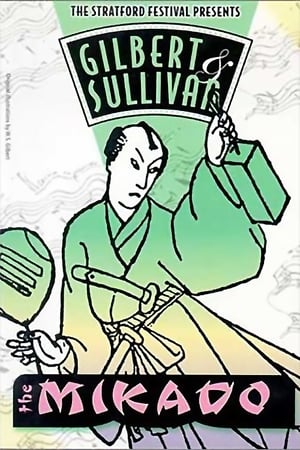
In a small Japanese town, Ko-Ko is appointed to the unenviable position of executioner. Knowing he must successfully perform before the appearance of the Mikado in a month's time, Ko-Ko finds a suitable victim in Nanki-Poo, who is distraught over his unrequited love for the maiden Yum-Yum. Nanki-Poo agrees to sacrifice his life if he is allowed to spend his remaining days with Yum-Yum, who is betrothed to Ko-Ko. Filmed live from the 1982 Stratford Festival in Ontario.
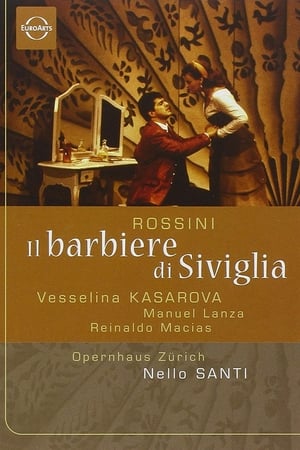
Live performance from Zürich Opera House, 2001. “Vesselina Kasarova’s Rosina turned this Barber into a major event. Pearling coloratura, endless resources of vocal colour and nuance and phenomenal acting versatility became mere means to an end: that of making Rosina into a human being of flesh and blood, with heart, humour and considerable brains.
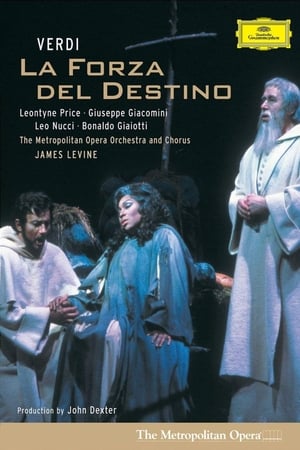
Leonora plans to elope with Don Alvaro, but he accidentally shoots and kills her father, who curses them as he dies. The lovers go on the run, but get separated. Bent on revenge, Leonora's brother Don Carlo, hunts them down. Verdi painted an immense canvas with this dark but tuneful opera, vividly brought to life in John Dexter’s production, with sets by the great Eugene Berman. The legendary Leontyne Price is seen in one of her greatest roles, Leonora. Price’s soaring voice encompasses every nuance of Leonora’s emotion as she moves from joy through resignation to ultimate heartbreak. James Levine’s brilliant leading of the Met orchestra and chorus is a lesson in Verdi style. Giuseppe Giacomini is Alvaro, the man Leonora loves, and Leo Nucci is Don Carlo, the dark instrument of their Fate.
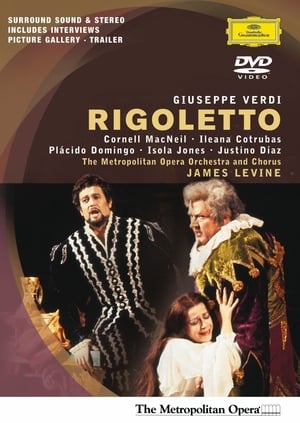
A Victor Hugo play, haunting and scandalous, provided the inspiration for Verdi’s mid-career masterpiece. A vengeful but misguided court jester strives to save his daughter from a duke’s licentious clutches, but can't part with the feeling that a curse looms over all of his actions. In Rigoletto, the composer introduces several of his most iconic arias and duets—as well as an 11th-hour quartet that counts among the finest moments in opera.
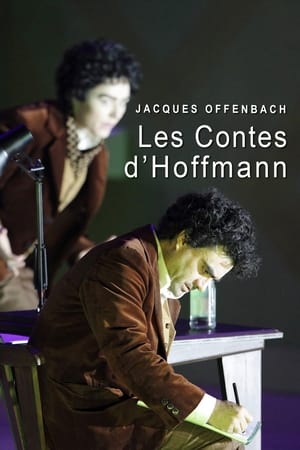
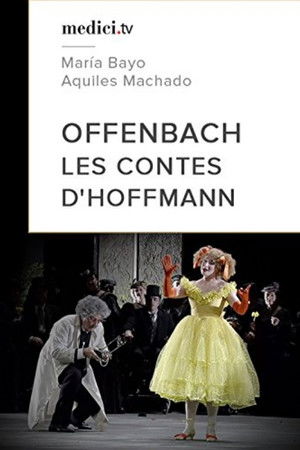
Live performance, Bayerische Staatsoper, 2011. The Tales of Hoffmann (French: LES CONTES D'HOFFMANN) is an opéra fantastique by Jacques Offenbach that combines three short stories by E.T.A. Hoffmann into a haunting whole: a melancholy poet reflects on three women he loved and lost in the past: a mechanical performing doll, a Venetian courtesan, and the consumptive daughter of a celebrated composer. One of the questions this opera poses for any director is how to link the 'tales' of Hoffmann's three lost loves together and knit them satisfactorily into the Prologue and Epilogue. In this production, Richard Jones solves the puzzle by turning it into an autobiographical journey which ends with a grand meet-up of all the characters Hoffmann has encountered: for once, Hoffmann is not presented as a rollicking kind of drunken story-spinner, but rather a sad-eyed, sobered-up depressive, who reaches for the bottle only because his disastrous love life has gone wrong yet again.
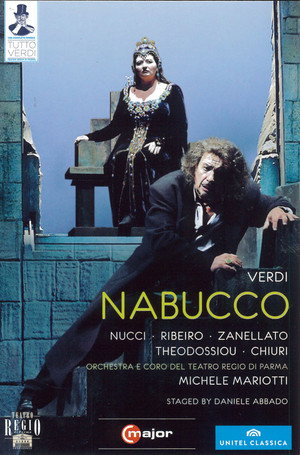
‘Nabucco’, or ‘Nebuchadnezzar’ (Italian: Nabucco), is an opera by Giuseppe Verdi with a libretto by T. Solera, based on events described in the Bible. (Nabucco is a shortened Italian rendering of the name of King Nebuchadnezzar II). It was this opera, the third in Verdi’s oeuvre, that brought him true fame. It tells of the tribulations of the Jews, their captivity by the Babylonians, and their subsequent release to their homeland by Nebuchadnezzar, King of Babylon. Giuseppe Verdi’s opera ‘Nabucco’, is a monumental work that tells the story of the enslavement of the Hebrew people by the Babylonian king Nebuchadnezzar (Nabucco) and their journey towards redemption. The premiere took place on 9 March 1842 at La Scala in Milan. The first performance of the final version was held at the Teatro San Giacomo in Corfu in September 1844. From the box set of 27 Verdi operas, ‘Tutto Verdi’. Recorded live at the Teatro Regio in Parma, 12–14 October 2009.
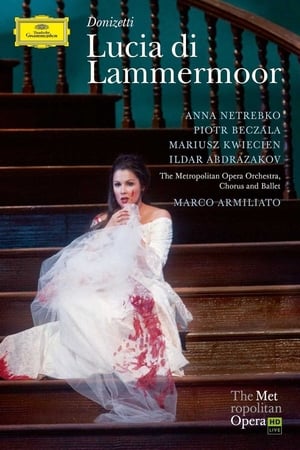
Star soprano Anna Netrebko adds Donizetti’s hapless heroine to her growing list of Met triumphs in this production by Mary Zimmerman that updates the events to the 19th century. Rising young tenor sensation Piotr Beczała is Edgardo and Mariusz Kwiecien plays Lucia’s brother Enrico whose brutal authority forces her to deny her heart and marry for the sake of her family. The famous mad scene brilliantly depicts the cascading fragments of Lucia’s disintegrating mind.
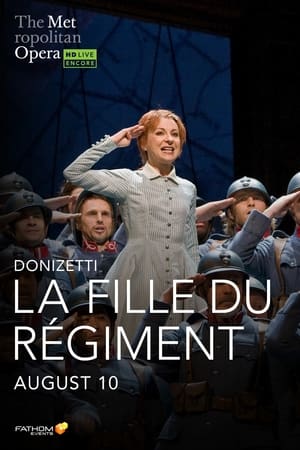
Madcap physical comedy and impeccable coloratura come together for Natalie Dessay’s indelible portrayal of the feisty tomboy raised by a regiment of French soldiers. Juan Diego Flórez is the young Swiss villager who conquers her heart—and a slew of high Cs. Also featuring uproarious performances by Felicity Palmer and Alessandro Corbelli, as well as a cameo by Tony Award winner Marian Seldes, this laugh-out-loud production was a runaway hit that left audiences exhilarated.
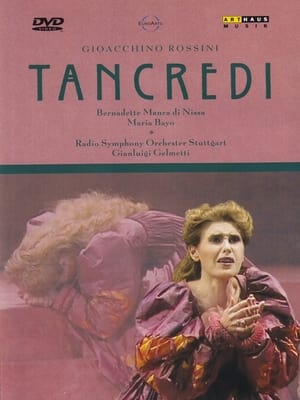
Live performance from Schwetzinger Festspiele, 1992. Based on Voltaire's tragedy, TANCREDI is a story of innocence wronged set against a backdrop of Turks at war with Syracuse. Amenaide, the daughter of Argirio, leader of the senate, is in love with the exiled knight Tancredi. Argirio offers Amenaide's hand in marriage to Orbazzano, the leader of a rival faction, as a token of reconciliation. Amenaide resists this and sends a letter to Tancredi, who is back in Syracuse in hiding. The letter is intercepted, and it is mistaken as an invitation to the Turk Solamir to enter Syracuse. Amenaide is sentenced to death for treachery, but Argirio allows a champion to fight for her vindication... will her beloved Tancredi save her? Bernadette Manca di Nissa, Maria Bayo, and Raul Gimenez star in this Rossini opera with Gianluigi Gelmetti conducting the Radio Symphony Orchester Stuttgart.
José Cura, Dmitri Hvorostovsky, Verónica Villarroel and Yvonne Naef lead the star cast of Verdi's blazingly passionate opera IL TROVATORE, in Elijah Moshinsky's new Royal Opera House production co-produced with Teatro Real Madrid, with sets by the noted film designer Dante Ferretti and costumes by Anne Tilby.
Giancarlo Del Monaco's passionate and intelligent production of Jacques Offenbach's magnum opus creates a climactic kaleidoscope of deep and convincing emotions. A highly credible incarnation of the pitiable Kleinzach he sings about, Aquiles Machado is the poet who loses his romantic idealism, his reflection and finally his soul to a 'trio of charming enchantresses'.