As beautiful and sleek as it is deadly, 52 Blocks merits special conservation efforts as the United States' only existing native martial culture, as it is indeed, the jazz of the martial arts world. Across the African diaspora, there are manifestations of African-derived warrior-dances, capoeira in brazil, mani in Cuba, ladja in Martinique, pinge in Haiti- yet the US offshoot has remained esoteric, because it was suppressed throughout slavery, Reconstruction and Jim Crow and then obscured in the criminal justice system. The history, interviews and training of the martial arts style that created Breakdance and boxing greats like Mike Tyson.
The 30-year legacy of the murder of black teenager Yusuf Hawkins by a group of young white men in Bensonhurst, Brooklyn, as his family and friends reflect on the tragedy and the subsequent fight for justice that inspired and divided New York City.
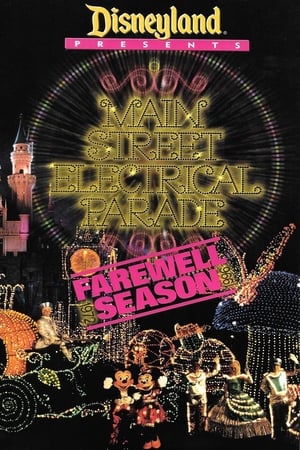
Catch the spark after dark at Disneyland Park. And say farewell to one of the Magic Kingdom's most celebrated traditions - The Main Street Electrical Parade. Where else, but in The Main Street Electrical Parade, could you see an illuminated 40-foot-long fire-breathing dragon? And hear the energy of its legendary melody one last time? It's unforgettable after-dark magic that will glow in your heart long after the last float has disappeared.
A look at the world of US writer Paul Auster, on the occasion of the publication of his new novel, an exploration of human identity and the soul of New York, the city that Auster has portrayed as no one else has ever done.
Before there was Disneyland, there was Coney Island. By the turn of the century, this tiny piece of New York real estate was internationally famous. On summer Sundays, three great pleasure domes--Steeplechase, Luna Park and Dreamland--competed for the patronage of a half-million people. By day it was the world's most amazing amusement park, by night, an electric "Eden".
From the Boogie Down Bronx and beyond, the history of the b-boy.
Today it's a symbol of strength and vitality. 135 years ago, it was a source of controversy. This documentary examines the great problems and ingenious solutions that marked the construction of the Brooklyn Bridge. From conception to construction, it traces the bridge's transformation from a spectacular feat of heroic engineering to an honored symbol in American culture.
As the debate over the state of America's public school system rages on, one thing everyone agrees on is the need for great teachers. Yet, while research proves that teachers are the most important school factor in a child's future success, America's teachers are so woefully underpaid that almost a third must divide their time between a second job in order to make a living. Chronicling the stories of four teachers in different areas of the country, American Teacher reveals the frustrating realities of today's educators, the difficulty of attracting talented new teachers, and why so many of our best teachers feel forced to leave the profession altogether. But this wake-up call to our system's failings also looks at possibilities for reform. Can we re-value teaching in the United States and turn it into a prestigious, financially attractive and competitive profession? With almost half of American teachers leaving the field in the next five years, now is the time to find out.
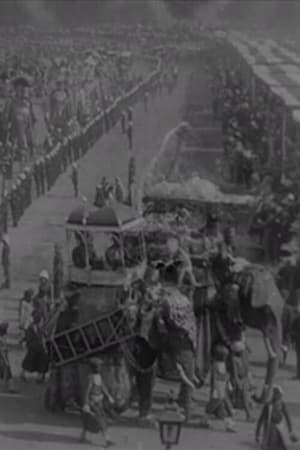
Aristocracy, army, elephants and more mark the start of the 1903 Durbar.
Brooklyn Boheme is a love letter to a vibrant African American artistic community who resided in Fort Greene and Clinton Hill Brooklyn during the 80's and 90's that included the great Spike Lee, Chris Rock, Branford Marsalis, Rosie Perez, Saul Williams, Lorna Simpson, Talib Kweli just to name a few. Narrated and written by Fort Greene resident Nelson George, this feature length documentary celebrates "Brooklyn's equivalent of the Harlem Renaissance" and follows the rise of a new kind of African American artist, the Brooklyn Boheme.
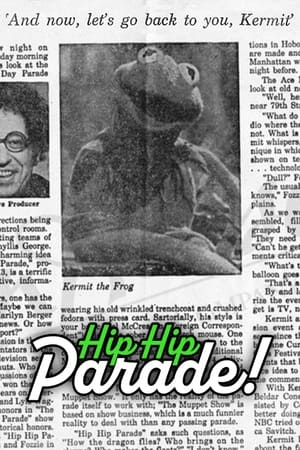
Hip Hip Parade! was a primetime special promoting the Macy's Thanksgiving Day Parade, originally broadcast on PBS stations throughout Thanksgiving week 1978. Hosting the special were Kermit the Frog and Fozzie Bear, of The Muppet Show fame.
The thronging streets of Chennai in festive mood are captured by this lively amateur film.
An intense insider's portrait of New Orleans' street celebrations and unique cultural gumbo: Second-line parades, Mardi Gras, Jazz Fest. Features live music from Professor Longhair, the Wild Tchoupitoulas, the Neville Brothers and more. This glorious, soul-satisfying film is among Blank's special masterworks. Preserved by the Academy Film Archive in 1999.
Meet the dirtiest cop in NYC history. Michael Dowd stole money and dealt drugs while patrolling the streets of '80s Brooklyn.
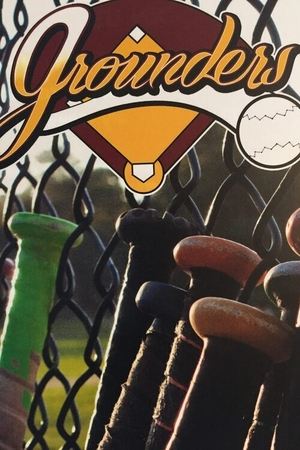
Grounders is a heartfelt personal documentary about a women’s softball league in Brooklyn, New York: the games, the teams, and the players that take the field. Exploring the dynamic personalities and compelling life stories of a diverse group of women, Grounders captures an inside view of a unique sub-culture, and a thoughtful and uplifting revelation of their community emerges. With Brooklyn as the backdrop, and connections that blur the boundaries of race, class, age, religion, and sexual orientation, these women have many stories to tell about why they are there.
A collection of personal anecdotes from those who have navigated through a tumultuous year in America.
An entertaining look at the history of America’s greatest parade, guided by hosts and TV icons, William Shatner and Stephanie Edwards.
Reverend Huie Rogers is a preacher at the Bible Way Church of Our Lord Jesus Christ in Brooklyn. He is the topic of this short film, during which launches into an epic call-and-response denunciation of human hubris, greed, corruption and failure. The use of lengthy shots present it less like a sermon and more a performance, and induce an almost trance-like state.
A documentary on the inhabitants of South Williamsburg, New York, whose lives are explored through the testimony of five inhabitants of the Brooklyn neighborhood. In the late 70s and early 80s, Los Sures was one of the poorest neighborhoods in New York City. In fact, it had been called the worst ghetto in America. Diego Echeverria's film skillfully represents the challenges of its time: drugs, gang violence, crime, abandoned real estate, racial tension, single-parent homes, and inadequate local resources. The complex portrait also celebrates the vitality of this largely Puerto Rican and Dominican community, showing the strength of their culture, their creativity, and their determination to overcome a desperate situation.
Set in the Hasidic enclave of Borough Park, Brooklyn, "93Queen" follows a group of tenacious Hasidic women who are smashing the patriarchy in their community by creating the first all-female volunteer ambulance corps in New York City. With unprecedented-and insider-access, "93Queen" offers up a unique portrayal of a group of religious women who are taking matters into their own hands to change their own community from within.