The film explores the campaign waged by the Hindu right-wing organisation Vishva Hindu Parishad to build a Ram temple at the site of the Babri Masjid in Ayodhya, as well as the communal violence that it triggered. A couple of months after Ram ke Naam was released, VHP activists demolished the Babri Masjid in 1992, provoking further violence.
This portrayal of the rhythm of life and work in a gigantic textile factory in Gujarat, India, moves through the corridors and bowels of the enormously disorienting structure—taking the viewer on a journey of dehumanizing physical labor and intense hardship.
In a poetic hour and a half, director Mani Kaul looks at the ancient art of making pottery from a wide variety of perspectives.
Offers an exclusive behind-the-scenes look at the making of the critically acclaimed film 12th Fail. Featuring Vikrant Massey and visionary director Vidhu Vinod Chopra, the documentary reveals the untold challenges, meticulous efforts, and sheer determination that shaped the movie's success. From Massey's commitment to authenticity-aging his costumes himself-to Chopra's relentless pursuit of excellence, Zero Se Restart captures the resilience and teamwork essential to creating cinematic magic.
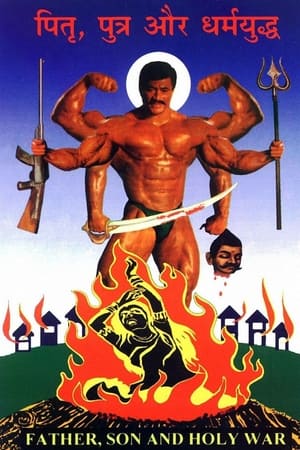
Filmmaker Anand Patwardhan looks to history and psychology as he delves into the possible reasons behind the demolition of the Babri Mosque.
Conversations with 92 year old Kamlabai Gokhale, a pioneering actress of the Marathi stage and the first lady of Indian film. The documentary gives an impression of the history and growth of Indian film and theatre as it was experienced by a woman who struggled against the social structures of her times.
The river Yamuna, known to the locals as 'Jamna', the lifeline of Delhi, is going through a major crisis due to pollution, mismanagement and sheer ignorance. A documentary crew tries to make sense of the situation by talking to different stakeholders and Shyam - a boatman who relies on the river for his livelihood.
Three women share their experience of navigating the app-world in the metro city. The sharings reveal gendered battles as platform workers and the tiresome reality of gig-workers' identities against the absent bosses, masked behind their apps. Filmed in the streets of New Delhi, the protagonists share about their door-to-door gigs, the surveillance at their workplaces and the absence of accountability in the urban landscape.
Takes the audience behind the artistry, intellectual spirits, and production of the second season of the holy grail of Indian sitcom.
Amidst the urban transformation driven by progress, bulldozers dismantle 'illegal' settlements, leaving countless lives shattered. In the aftermath of such upheaval, one basti, sacrificed to conceal poverty during the G20 summit, and another basti, abandoned by authorities without alternative housing, illustrate the stark realities of displacement. The film delves into the daily struggles of individuals who persist in the rubble of their former homes.
Somi is pregnant with her second child. A girl, she hopes. Together with her husband she prepares for this new phase of their parenthood. It means that their son has to go to school, but as an ex-Naxalite that is tough to achieve in contemporary India, where people like them are third-rate citizens. They lack the certificates and an opaque bureaucratic process doesn't help. Directors Isabella Rinaldi, Cristina Hanes and Arya Rothe of the NoCut Film Collective concentrate on Somi's close family ties, painting a portrait of ex-Naxalites in India. Once, Somi and her husband were communist rebels fighting for the rights of Indian tribes. However, to safeguard their family's welfare, they surrendered to the government in exchange for marginal compensation and simple accommodation.
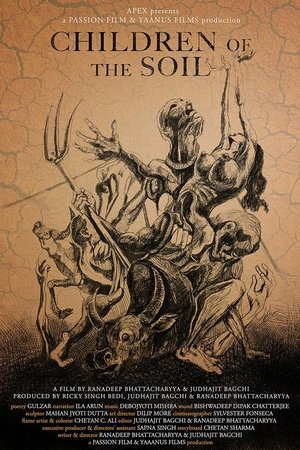
A thought provoking short film on Indian farmers told through clay sculptures made from barren farms of the farmers who have committed suicide.
'Mod' is an attempt by the filmmaker at communicating with the young men who hang out at the ‘notorious’ water tank in her neighbourhood in Pratap Vihar, Ghaziabad. The water tank is a space that is frequented by the so-called ‘no-gooders’ of the locality, a place where they play cricket, play cards, drink and smoke up. When she enters the space with her camera, the boys are curious and at the same time wary of it and her. They sometimes resist, sometimes protest, and at times, open up. As the film unfolds we get a hint of the lives the boys lead and the fragile world they create for themselves at the water tank.
I Am is a 2011 Indian anthology film by Onir. It consists of four short films: "Omar", "Afia", "Abhimanyu", and "Megha". Each film shares the common theme of fear and each is also based on real life stories. The film was financed by donations from more than 400 different people around the world, many of whom donated through social networking sites like Facebook. There are four stories but the characters are interwoven with each story. "Abhimanyu" is based on child abuse, "Omar" on gay rights, "Megha" is about Kashmiri Pandits and "Afia" deals with sperm donation. I Am was released with subtitles in all regions as six different languages are spoken in the film: Hindi, English, Kannada, Marathi, Bengali and Kashmiri.
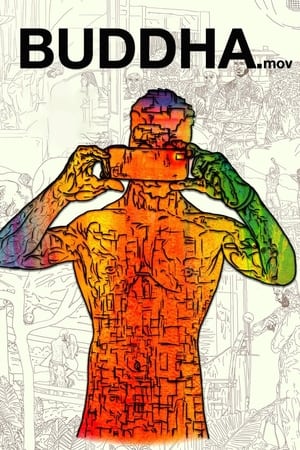
Lured by the chance of being the protagonist of a documentary film, Buddha Dev, a 27 year old flamboyant cricketer from Goa, starts authorising unrestricted access into the most private parts of his life.
A look behind the battle. Watch the people of India combat a deadly virus in a race against time. Tune in to COVID-19: India’s War Against the Virus, premieres 16 July at 8 PM on Discovery Plus and 20 July at 8 PM on Discovery.
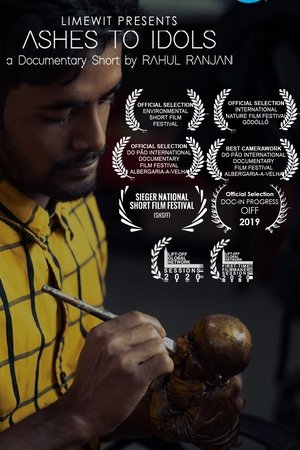
The journey from ashes to idols through the eyes of a teenager who has created many jobs in the process The documentary shows how a teenager decided to get rid of temple's waste by making idols from them and how few jail inmates became his helper in the process.
Celebrated actor Nayanthara looks back on her journey towards love and superstardom amidst personal struggles and triumphs in this intimate documentary.
In the dense forests of the Eastern Himalayas, moths are whispering something to us. In the dark of night, two curious observers shine a light on this secret universe.
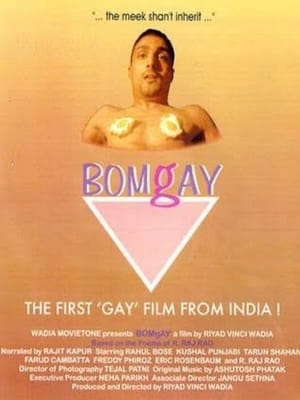
Based on the poetry of R. Raj Rao, Bomgay is a collection of six vignettes that depict the underground and complex nature of the gay identity in urban India. Part Genet, part Bollywood, this film combines acidic verse and insightful imagery to reveal the emerging gay community in the post-liberalized India of the 1990s.