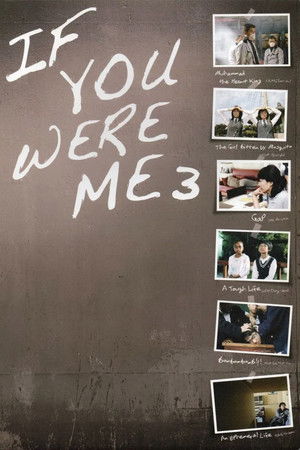
"Never Ending Peace and Love" (or "N.E.P.A.L.") is part of the South Korean omnibus film "If You Were Me" (2003). Comprising six short films directed by six prominent Korean directors and commissioned by the National Human Rights Commission of Korea, "If You Were Me" deals with discrimination in the country. The directors were given free rein with regards to subject and style. Park Chan-wook's short tackles the theme of human rights abuses towards foreign laborers in Korea, telling the sory of a Nepalese woman named Chandra who spent six years in a mental hospital after she was mistakenly accused of losing her mind.
Commissioned by South Korea's National Human Rights Commission, If You Were Me is an innovative omnibus film project to promote tolerance and human rights and shed light on the hardships disadvantaged people face in Korea. This third installment continues the If You Were Me tradition. Directors Jeong Yun Cheol (Marathon), Kim Hyeon Pil (Wonderful Day), Lee Mi Yeon (L'Abri), Noh Dong Seok (Boys of Tomorrow), Hong Gi Seon (The Road Taken), and Kim Gok and Kim Sun (Capitalist Manifesto: Working Men of All Countries) participated in If You Were Me 3, creating shorts on human rights issues of their choosing, ranging from labor conditions to gay rights to discrimination.
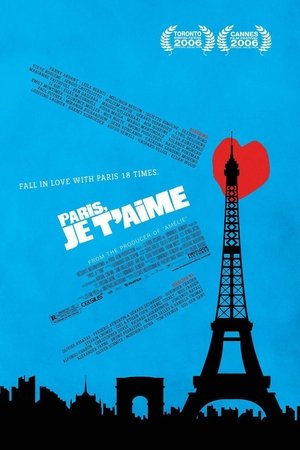
Olivier Assayas, Gus Van Sant, Wes Craven and Alfonso Cuaron are among the 20 distinguished directors who contribute to this collection of 18 stories, each exploring a different aspect of Parisian life. The colourful characters in this drama include a pair of mimes, a husband trying to choose between his wife and his lover, and a married man who turns to a prostitute for advice.
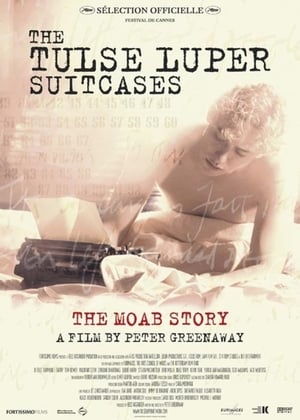
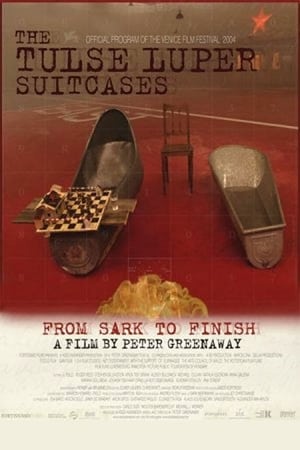
A comic study of 20th-century history, reconstructing the life of writer, creator and professional prisoner Tulse Luper. Born in 1911 Newport and last heard of in 1989, Luper’s life is pieced together from the evidence found in 92 suitcases scattered across the globe. In the first of three parts, we follow Luper through three distinct episodes: as a child during the First World War; as an explorer in Mormon Utah; and as a writer in Belgium during the rise of fascism.
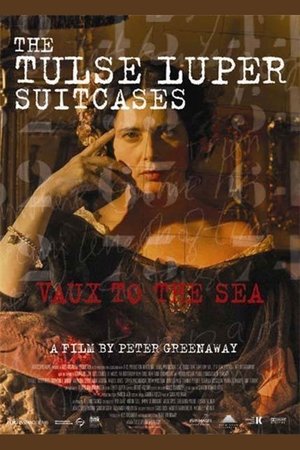
A comic study of 20th-century history, reconstructing the life of writer, creator and professional prisoner Tulse Luper. Born in 1911 Newport and last heard of in 1989, Luper’s life is pieced together from the evidence found in 92 suitcases scattered across the globe. In the second of three parts, we follow Luper as he works in a cinema, giving him ample opportunity to cross paths with virtually every artistic device and dramatic character known to man.
A comic study of 20th-century history, reconstructing the life of writer, creator and professional prisoner Tulse Luper. Born in 1911 Newport and last heard of in 1989, Luper’s life is pieced together from the evidence found in 92 suitcases scattered across the globe. In the final installment, Luper continues his adventures as a professional prisoner during the later years of the Second World War and the Cold War.
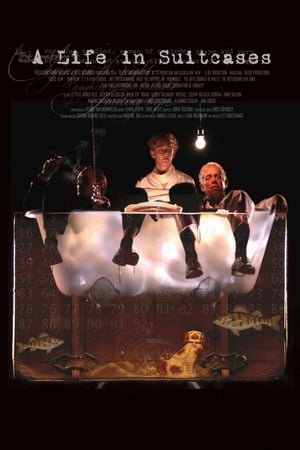
A comic study of 20th-century history, reconstructing the life of writer, creator and professional prisoner Tulse Luper. Born in 1911 Newport and last heard of in 1989, Luper’s life is pieced together from the evidence found in 92 suitcases scattered across the globe. A Life in Suitcases condenses the six-hour trilogy into a single two-hour feature, and in doing so, accentuates the project as a filmic essay in multiple narratives, listings, sidebars, footnotes, commentaries and anecdotes; a project for an Information Age ready to understand that there never is a phenomenon called History, there can only be Historians, gatekeepers to vested interests.
Adapted from the TV and radio series of the same name, the producer of said show reads letters from three woman providing the framing story for this melodrama anthology film. The tales focus on parenting and family struggles.
Each of the four short stories, framed by the figure of the photographer, depicts the lives of women and girls whose work has brought them to the limelight, but also marked their relationships with those closest to them.
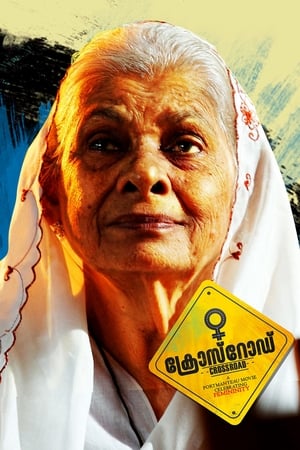
Crossroad is a first -of-its-kind portmanteau movie celebrating womanhood and tells the story of ten women, facing ten different life situations and explores how they tackle it. The movie encompasses ten feature films of fifteen minutes each, with each featuring prominent female artists from Malayalam film industry as the protagonist and is directed by a prominent Malayalam filmmaker. The movie showcases the vibrant facet of each woman and tells the story from her perspective.
As part of the long-running anthology series, which began in 1990, this special features a collection of mysterious and thought-provoking stories. Episode Summaries: 1. "Love Triangle with My Ex" Mika's ex-boyfriend reappears in her life as a robot, complicating her current relationship. 2. "The Concierge" A single mother moves into a new apartment where a mysterious concierge begins to fulfill her every wish with unsettling consequences. 3. "Waga-sama" A workaholic CEO returns to his hometown and encounters a strange boy tied to his childhood and eerie events. 4. "Wait a Minute!" A man’s love confession is interrupted by two versions of his crush from the future, causing chaos.
Like the twining vines of the honeysuckle, each of the three stories in this film follow a character whose growth is impeded by the clouds of society hanging over their heads. From a Hungarian taxi driver torn between the preservation of his family and the unexpected humane responsibility found in the clandestine activities he does for profit, to the Hungarian teenager of a single mother whose idea of life goals and success seems perpetually defined by the missing figure of a role model, and finally to the young Indian Carnatic singer who amidst personal and national turmoil decides to sacrifice the one thing that defines her - her talent, Honeysuckle aims not to narrate or condescendingly offer a message, as much as it seeks to illustrate the many life directions available, and the way none of them are good, in a world severely lacking a moral center.
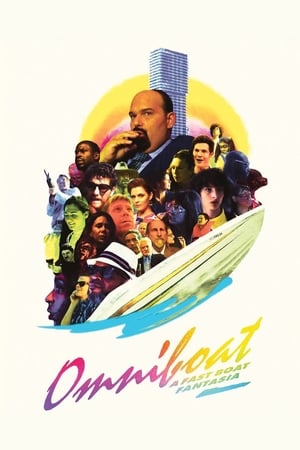
Chronicling the life of Lay'n Pipe, a 47 foot TopGun Cigarette speedboat, from its conception through the end of human civilization. It's not just a speedboat ride, it's a Miami adventure.
Seven episodes, each taking place on a different day of the week, on the theme of suicide and violent death.
Five individual stories are connected to each other in the basis of their nature. Actually the Dark Side of the capital Dhaka, has been sketched throughout the film. What happens over our eyes in the dark of the night.
A film in five episodes, all based on an attempt to show the life of young people today, their feelings and relationships, their behaviour in public and private life.
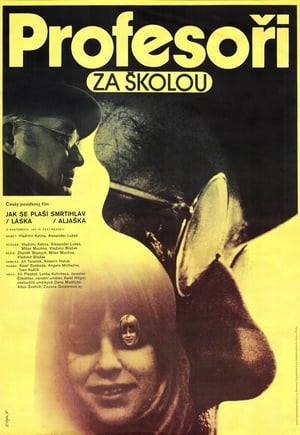
Three stories from the school environment, mostly from the perspective of teachers. In the first story we see an unnecessarily strict teacher, in the middle one a sports career is glossed over, which causes a young teacher to leave his job. In the final story, on the other hand, an experienced high school teacher goes to teach in a rural school to gain inner peace.
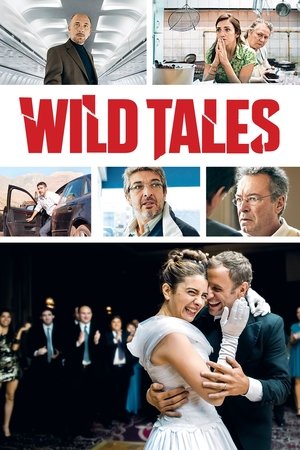
Injustice and the demands of the world can cause stress for many people. Some of them, however, explode. This includes a waitress serving a grouchy loan shark, an altercation between two motorists, an ill-fated wedding reception, and a wealthy businessman who tries to buy his family out of trouble.
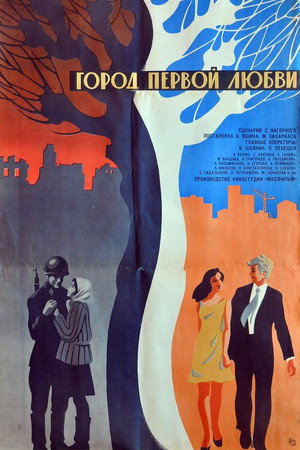
The film tells about the inhabitants of the Russian city of Tsaritsyn-Stalingrad-Volgograd. The film consists of three novellas, united by the theme of love and the scene - a city on the Volga.
A two-part feature directed separately by Shimizu and his colleague Keisuke Toyoshima. Unrelated to each other, both have a common goal: to bring ghosts and aliens together in pure, referential and absurdistic delirium, including neo-Nazi specters, zombie yakuzas and nasty aliens.