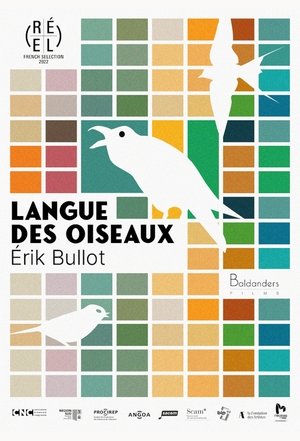
Composed of serious and funny musical scenes, an exploration of the virtues of translation and desire for communication between humans and birds. Told by a narrator from the future, after the sixth mass extinction, an observation of the attempts made to establish a possible exchange.
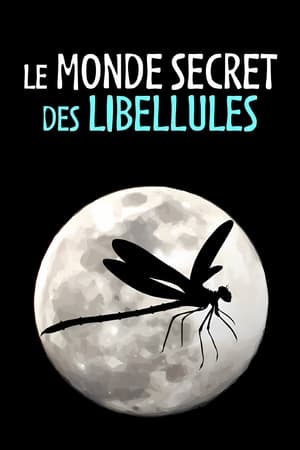
Le Monde secret des libellules
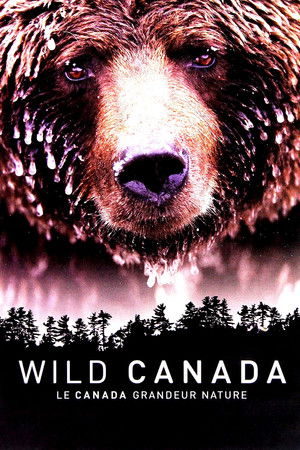
Wild Canada
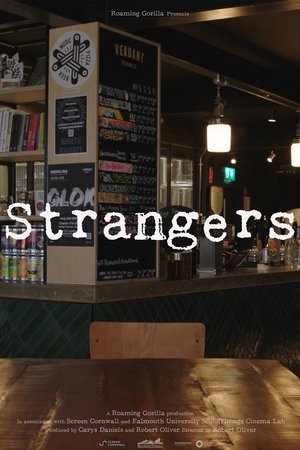
When does someone stop being a Stranger? In a world emerging from social lockdown, this documentary explores the way communication is changing. Seven participants give us their views on social interactions, before having a conversation with a Stranger. Will this change their perceptions?
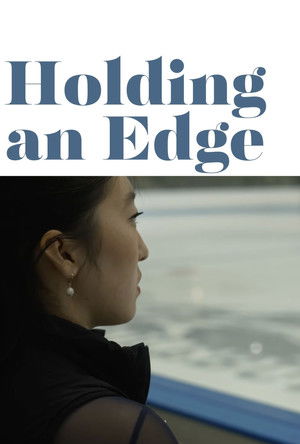
A portrait of Ting Cui, a Team USA figure skater at Middlebury College student. An exploration of what it means to sustain a relationship with a sport across injury, pressure, and transition.
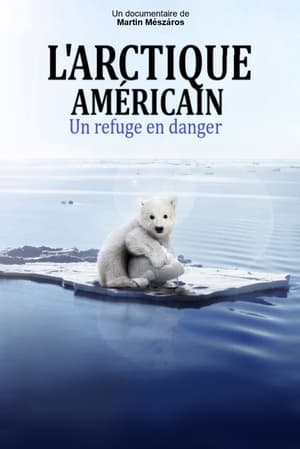
This film shows the splendor, enormous scope and indescribable beauty of this untouched land far to the north of Alaska, one of the last havens for caribou herds and polar bears. Shot over a period of four years, this film offers a unique insight in the lives of the most charismatic arctic animals.
When an ornithologist’s funding gets cut, her nurturing of abandoned bird eggs leads to a transformation as her marriage crumbles.
A student, initially serving as a director, filmed his LGBTQ+ teacher but eventually became personally involved in drag. What began as an observer's stance transformed into active participation in drag. Through self-engagement in drag, the director assumed the identity of Rachel and seized an opportunity for a dialogue with self-identity. This experience led to an awareness of the conflicting dialectics between societal frameworks and personal identity. The director embarked on multiple attempts to coexist with and showcase the multifaceted aspects of the transformed, drag persona.
Once Upon A Time
A movie that portrays a reflection about sense of being self, to love and to be loved.
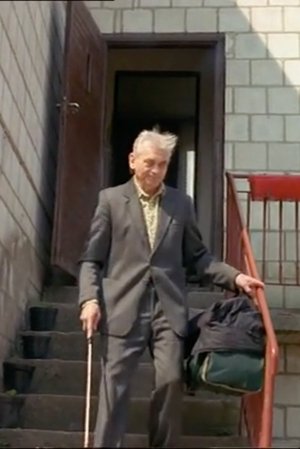
A documentary focusing on Polish 60-year-old Henryk Kowalczyk who is deaf-blind and being taught sculpture. Working with clay and other materials is therapeutic light in a world of darkness
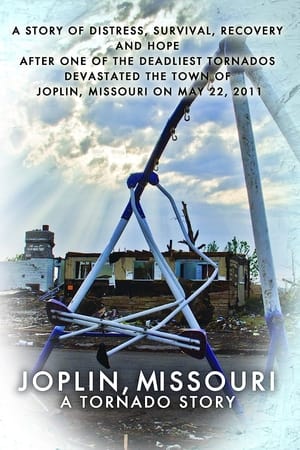
Weaving together dozens of professional and amateur archival sources, along with dramatic interviews with the people behind the cameras, Witness: Joplin Tornado reconstructs the deadliest tornado in modern times, through the eyes of those who lived through it. A group of strangers huddle together in a convenience store cooler, shrieking in terror as the tornado tears apart everything around them. A husband-and-wife stormchasing team find themselves caught in the teeth of the storm, then pressed into service when it finally passes. A young mother sobs as she surveys her daughter’s destroyed bedroom. Yet all the while they film, using their cameras to record both the harrowing experience of the storm itself and the shock of what confronted them after — homes destroyed, neighborhoods flattened, a city devastated. Witness: Joplin Tornado tells the story of that day and its aftermath entirely through the videos and voices of the survivors.
So part of what's so surprising about Prague Winter is that it feels so lived in, so thoroughly grounded. It's not so much that Jennings makes Prague look like Manhattan (although there are commonalities in terms of architecture and the gaps of light between it). But the film restricts itself to sights on and around the tram, which provides an uncharacteristic linearity to the film. What's more, Jennings' status as a guest observer seems to bring out a humanism in his work, as he fixates on the elderly and, implicitly, the history to which they've been subjected. The post-Communist malaise hardens into grim acceptance, and this, along with the physical traces of Prague's history as manifested in the built environment, is what fascinates Jennings here. His camera is tender and unobtrusive, as you would expect from a filmmaker of his sensitivity.
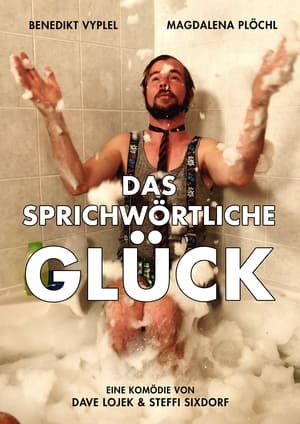
Two neigbors inhabit an idiomatic world and discover affection.
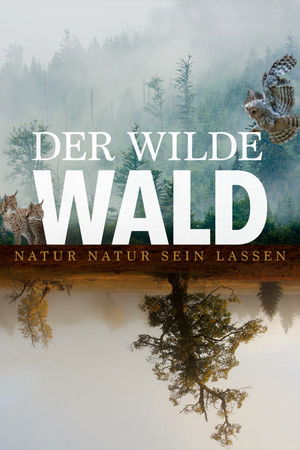
“Let nature be nature” is the philosophy of the Bavarian Forest National Park. Despite massive resistance, this vision has become a groundbreaking showcase project. Because humans do not interfere with nature, the former commercial forests grow into a primeval forest, a unique ecosystem and a refuge for biodiversity. People from all over the world come here. They are looking for answers to the question of why we need more wild nature and what we can learn from it to preserve forests for future generations in times of climate change.
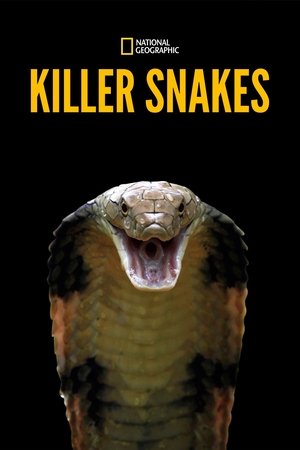
Packed with a potent neurotoxic venom, one family of snakes kill more people than any other on earth. Scientists around the world race to uncover how.
Emerald Islands Of Malaysia
Juskatla weaves together perspectives of the people who live on the islands of Haida Gwaii-an archipelago on Canada's Northwest coast, and the ancestral territories of the Haida Nation. From industrial loggers who harvest trees from ancient forests, to Sphenia Jones, a Haida matriarch who bears an intimate knowledge of her People's territories, Juskatla meditates on the divergent ways of being that shape the islands and its people.
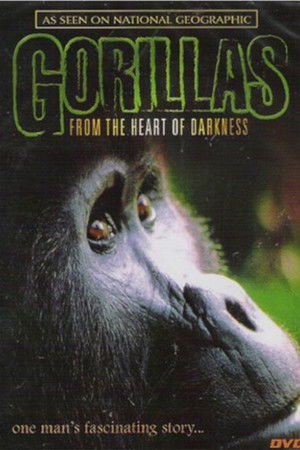
Rwanda was once a country of peace, beauty and fabulous wildlife. Romain Baertsoen arrived there in 1966 and started to film two of Rwanda's secrets, the Bahima tribe and rare mountain gorillas. The Rwandan Civil War shattered the peace in 1994, as warring factions pillaged towns and plundered the forests. Remarkably, the gorillas survived, but the world around them is increasingly uncertain.
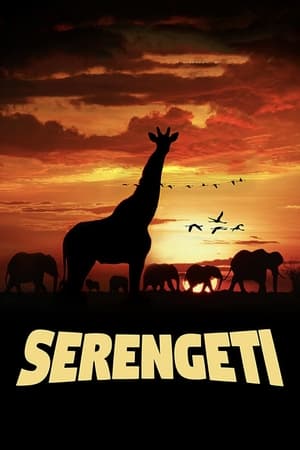
Africa's most iconic animals are home to the Serengeti. It is the site of one of the greatest natural spectacles in the world: the migration of millions of wildebeest. Nature has ingeniously ensured that everything that lives here, from the smallest insects to the largest mammals, has a clear role. Together they ensure a balance in the ecosystem.