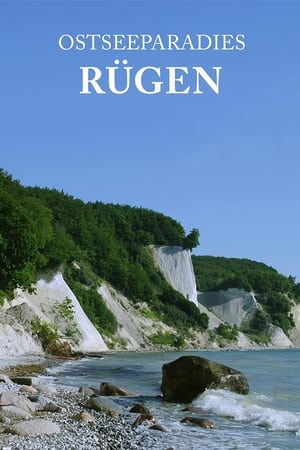
Rügen is the largest island of Germany. Located off the Baltic Sea coast of Western Pomerania, two thirds of its area is protected. The green beech forests of the Jasmund National Park are considered an original virgin forest that is unique in Europe and are part of the UNESCO World Heritage. The white chalk cliffs, which can be seen from afar, are the island's distinctive symbol and were immortalized in the paintings of Caspar David Friedrich more than 200 years ago. On the small island of Vilm, which belongs to Rügen, there is another core area of nature conservation with a 500-year-old, untouched beech forest. Within sight of this refuge, organic farmers are trying to bring more diversity back to the fields. Small-scale agriculture with a great diversity of species has emerged between hedges, tree islands and biotopes. The documentary shows Rügen's natural treasures and introduces different people who have found their home here and are fighting to preserve nature.
Follows the Eastern German family Schütze and their greengrocer's shop for 10 years, beginning right after Germany's reunification.
Docudrama telling the story of a building with a breath taking career that began in the empire, flourished in the Weimar Republic, perished in the Nazi dictatorship, and was rebuilt after its partial destruction.
Soundtrack der Freiheit
The film talks about the rise and fall of the two most influential protagonists in GDR-politics. In succession, over long stretches even together, Ulbricht and Honecker determined the course of the GDR, of course without ever getting out of being a satellite state to the big brother in Moscow. The film looks for the caesura and crucial points in the power game between Ulbricht and Honecker.
Filmmaker Sibylle Schoenemann, imprisoned by the GDR in 1984, was released to the FRG after having West Germany literally buy her freedom. In 1990 she went back and questioned those responsible.
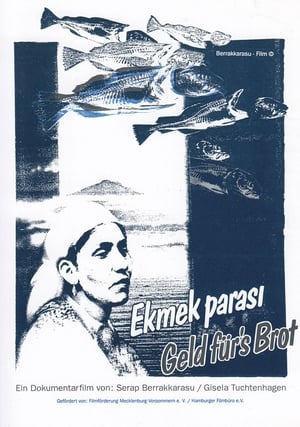
Women from Turkey and Mecklenburg are working together side-by-side at a fish-processing factory in Lübeck. As they work, they share stories about their lives, including their sorrows, griefs, hopes, and dreams, while expressing their longing for home and feelings of being lost in a foreign place.
This report was broadcast on ARD in 1993. In 43 minutes, the development of psychiatry "in the third year after reunification" is shown using two institutions in the new federal states as examples. A touchstone for all of psychiatry and disability care to this day. The film shows a shocking way in which disabled people are treated. The commentary uses the perspective of those affected. 50 years after euthanasia in Germany, this documentary reminds us of this once again.
The concert film celebrates the band’s legendary show in New York’s Madison Square Garden – Rammstein’s return to the US after a ten-year absence. In HD and 5.1 surround sound. For the documentary, Rammstein provided extensive, previously unreleased footage and photos from the band archive. In numerous interviews from various periods in the band’s history, the band members speak about their experiences across the Atlantic.
Citizens of East Germany talk about their experiences and feelings in the face of upcoming elections that will lead to reunification with the West. The past is tinged with regret, frustration and anger, while the future is uncertain.
Volker Koepp revisits Zehdenick and Grüneberg, East Germany. People are struggling with the new political and economical conditions shortly before the German Reunification.
Erzähle deine Geschichte - Die DDR in 30 Begriffen
In reunified Berlin, a city guide from the Eastern part of the city offers tours for West Berliners and grapples with his pre and post "Wende" identity.
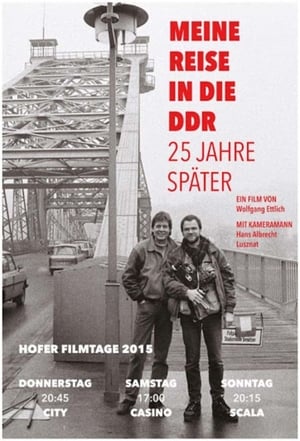
About a journalist and his cameraman visiting East Germany, former GDR, 25 years later again after their journey which took place in January 1990, just between the Fall of the Wall and the reunification with West Germany, comparing the old pictures with the present of 2015 and meeting former interview partners a second time. An impressive work of time documentary showing seemingly surreal scenes about the changings of cities, industrial locations and lifes in different political and economical systems.
The army of the GDR, called NVA had not survived the reunification of Germany, it was completely absorbed by the Bundeswehr and scrapped subsequently. But what apparently went on so smoothly as a peaceful unification of hostile brothers quietly left deep scars in the East German landscape.
In 1989, thirteen GDR scientists and technicians set off from East Berlin to the Georg Forster research station in the Antarctic. During their expedition the Berlin Wall fell on November 9th. Cut off from the images that go around the world, the men can only experience the historical events passively. When they returned in the spring of 1991, their homeland was a foreign country. The documentary reconstructs the thoughts and feelings of the East German researchers on the basis of eyewitness accounts, diary excerpts, letters, film material, grandiose landscape shots from the location of the action and unique photos to make the consequences of the events tens of thousands of kilometers away on the small GDR expedition in the middle of the eternal ice tangible.
Documentation about the intra-German relations after the reunification.
In late 1990 times are changing in Zehdenick, Brandenburg: Russian troops are leaving, the German Reunification brings euphoria and new hope, but unemployment rises steadily.
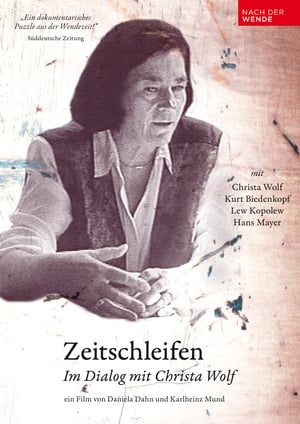
Journalist Daniela Dahn interviews the East-German author Christa Wolf during the German reunification: reflections on history, changing politics, life and work.
Documentary about the life and career of Karl-Eduard von Schnitzler, presenter and creator of the infamous GDR propaganda programme 'Der Schwarze Kanal' ('The Black Channel').