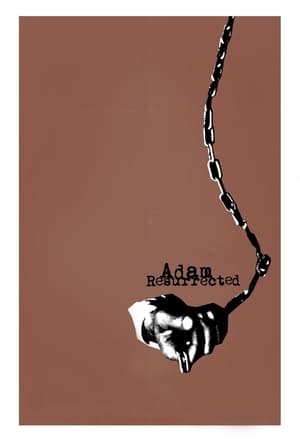
A Jewish town is burning. The figures of the dying inhabitants are inscribed in organic sculptures. A male choir sings the 'S’brent, unzer sztetl brent' (Fire, our town is on fire) song by Mordechaj Gebirtig.
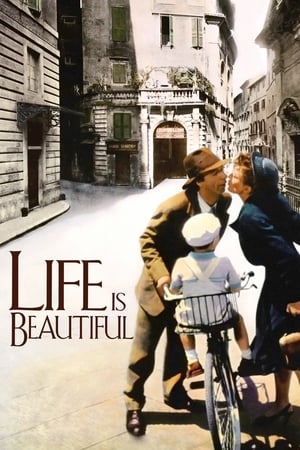
A touching story of an Italian book seller of Jewish ancestry who lives in his own little fairy tale. His creative and happy life would come to an abrupt halt when his entire family is deported to a concentration camp during World War II. While locked up he tries to convince his son that the whole thing is just a game.
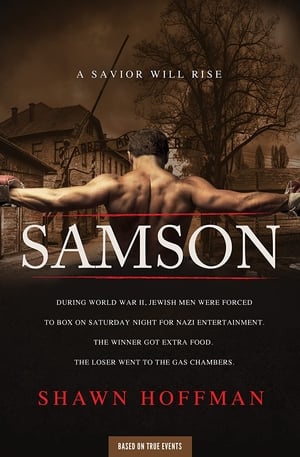
During World War 2, Jewish men were forced to box for Nazi Entertainment. The winner got extra food, the loser went to the gas chambers. Based on true events, a Jewish American Olympian and his family struggle for survival in the midst of the Holocaust.
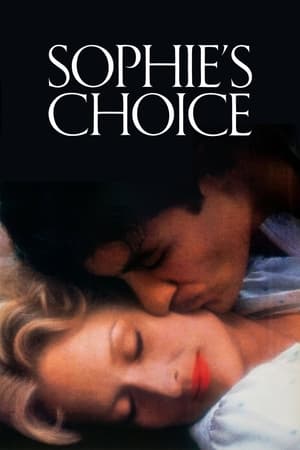
Stingo, a young writer, moves to Brooklyn in 1947 to begin work on his first novel. As he becomes friendly with Sophie and her lover Nathan, he learns that she is a Holocaust survivor. Flashbacks reveal her harrowing story, from pre-war prosperity to Auschwitz. In the present, Sophie and Nathan's relationship increasingly unravels as Stingo grows closer to Sophie and Nathan's fragile mental state becomes ever more apparent.
The commandant of Auschwitz, Rudolf Höss, and his wife Hedwig, strive to build a dream life for their family in a house and garden next to the camp.
An American-born Jewish adolescent, Hannah Stern, is uninterested in the culture, faith and customs of her relatives. However, she begins to revaluate her heritage when she has a supernatural experience that transports her back to a Nazi death camp in 1941. There she meets a young girl named Rivkah, a fellow captive in the camp. As Rivkah and Hannah struggle to survive in the face of daily atrocities, they form an unbreakable bond.
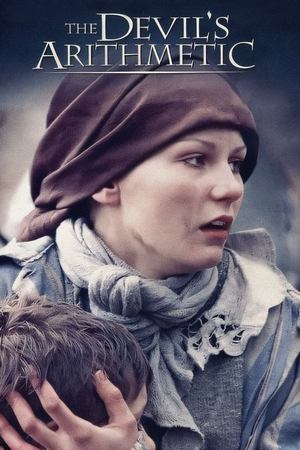
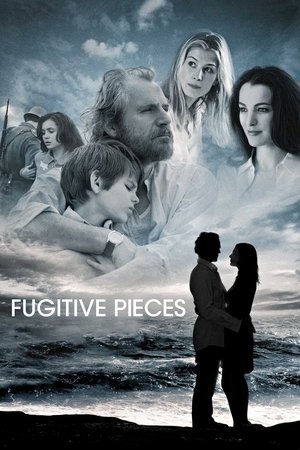
While fleeing their hometown during the Nazi invasion, Jewish teenagers Fanye and Rivkah are chased through the woods by an armed Nazi soldier and are forced to make life-and-death decisions.
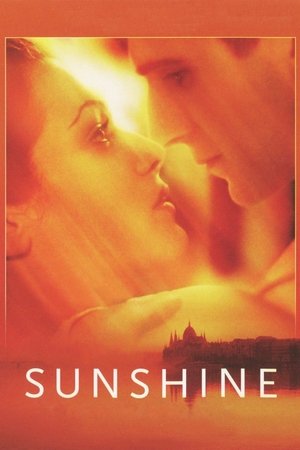
The fate of a Hungarian Jewish family throughout the 20th century.
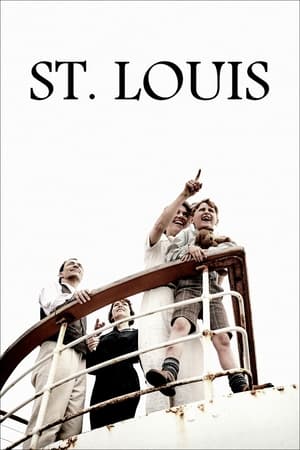
Hamburg, Germany, 1939. Getting a passage aboard the passenger liner St. Louis seems to be the last hope of salvation for more than nine hundred German Jews who, desperate to escape the atrocious persecution to which they are subjected by the Nazi regime, intend to emigrate to Cuba.
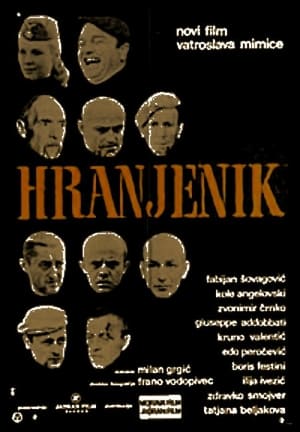
Group of concentration camp prisoners is being constantly tortured by their Kappo. Since they are too weak to stand against him, they pick the strongest among themselves and feed him with parts of their rations.
A child escapes from Poland during World War II and first heads to Greece before coming of age in Canada.
After again attempting to commit murder, a Jewish man with a mysterious past and extraordinary intelligence, charisma, and body control returns to an insane asylum, where he makes a startling discovery.
Kurt Gerstein—a member of the Institute for Hygiene of the Waffen-SS—is appalled to discover that a poison gas he helped discover is being used to kill Jews. Driven by his conscience to alert the rest of the world, Gerstein teams up with a young Jesuit priest, Riccardo Fontana, but their protestations fall on deaf ears in the Vatican.
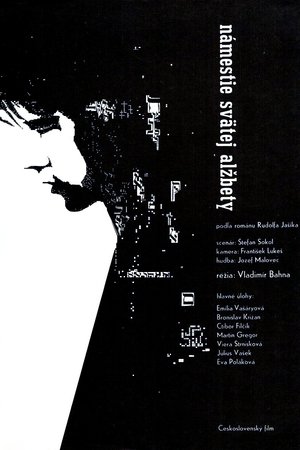
Film adaptation of Rudolf Jašík's novel of the same name. The plot of the film is situated in the forties of our century, in the first years of the Second World War. It captures the political and social atmosphere of one of the Slovak towns that lives seemingly in the lee, far from the world and war. Well, appearances are deceiving. Beneath the surface of peaceful, everyday life, a tragic process is taking place, accelerating people's destinies, the disintegration of their characters, but also the maturing of their relationships. The film is the story of Eva and Igor, their love, violently interrupted by political events. In this era of personal and social tragedies, children become adults almost overnight, honest people become victims, and mentally ill people become murderers. The film about the fates of Eva and Igor, the Jewish cartmen Samko and Maxi, and the careerist Flórik presents a believable, convincing picture of the era marked by the expansion of fascism.
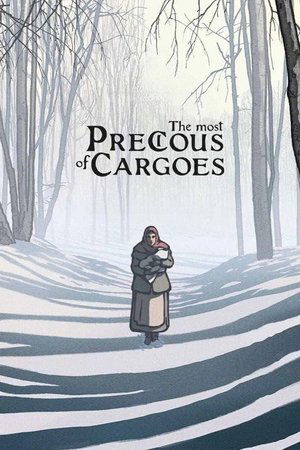
Once upon a time, a poor woodcutter and his wife lived in a great forest. Cold, hunger, poverty, and a war raging all around them meant their lives were very hard. One day, the woodcutter's wife rescues a baby. A baby girl thrown from one of the many trains that constantly pass through the forest. This baby, this "most precious of cargoes", will transform the lives of the poor woodcutter's wife and her husband, as well as those whose paths the child will cross—including the man who threw her from the train. And some will try to protect her, whatever the cost. Their story will reveal the worst and the best in the hearts of men.
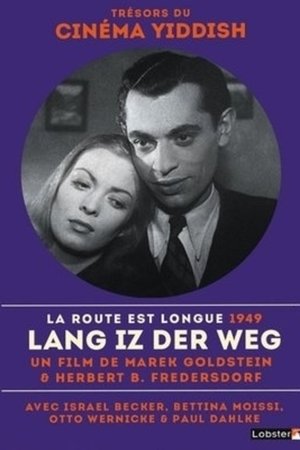
The first feature film to represent the Holocaust from a Jewish perspective. Shot on location at Landsberg, the largest DP camp in U.S.-occupied Germany, and mixing neorealist and expressionist styles, the film follows a Polish Jew and his family from pre-war Warsaw through Auschwitz and the DP camps.
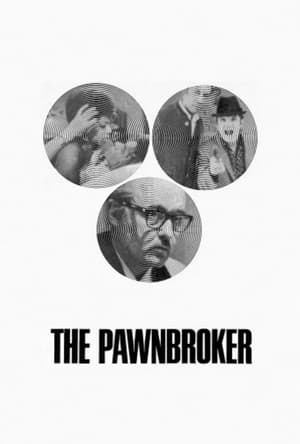
A Jewish pawnbroker, a victim of Nazi persecution, loses all faith in his fellow man until he realizes too late the tragedy of his actions.
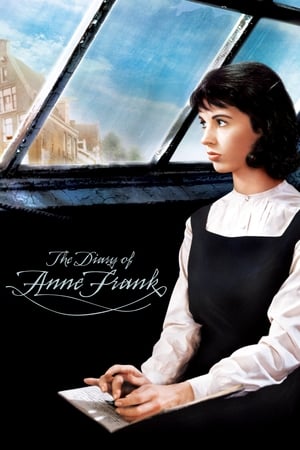
The true, harrowing story of a young Jewish girl who, with her family and their friends, is forced into hiding in an attic in Nazi-occupied Amsterdam.
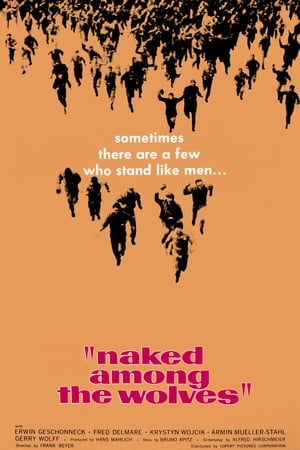
Based on a true story of inmates at KZ Buchenwald that risked their lives to hide a small Jewish boy shortly before the liberation of the camp.
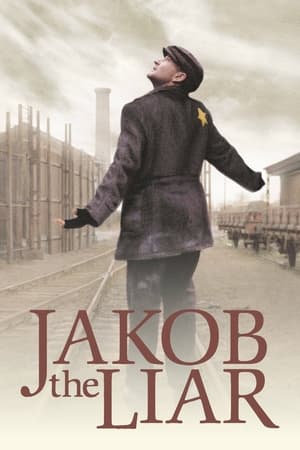
In 1944 Poland, a Jewish shop keeper named Jakob is summoned to ghetto headquarters after being caught out after curfew. While waiting for the German Kommondant, Jakob overhears a German radio broadcast about Russian troop movements. Returned to the ghetto, the shopkeeper shares his information with a friend and then rumors fly that there is a secret radio within the ghetto.