Jack Breen and his wife, Lizzie, are professional crooks, who live in a fine house and set themselves up as belonging to the best. Breen gets his living by various means, including begging. He dresses in ragged clothes and picks up crusts in the street, which he pretends to eat, thereby exciting the sympathy of passers-by.
The Simpsons go for a picnic in the woods. After luncheon, while mother and father enjoy a nap, Betty, their beautiful daughter, strolls away, picking flowers. When near a hillside, Betty sees a snake and screams. She starts to run away, but bumps into Billy Gilwater. He kills the snake and Betty calls him a hero.
Scion of a distinguished family J. Anthony Bowden is considered unworthy by his father, a feeling he discovers is shared by his fiancée Elma. His father sets up an elaborate ruse involving Anthony’s arrest and Elma’s kidnapping to make him prove his worth which he eventually does.
Billy Davis discovers that his father's bakery business is in serious financial trouble and leaves college in order to help his family.
Pinky Cochrane is one of a trio of starving artists: the other two are Sam Wellbridge and Mac MacTavish. When one of their favorite models dies, the three heroes take charge of the woman's infant son Victor. Once the boy has grown to manhood, his three foster fathers decide to choose a likely wife for their "shared" son.
Mr. Nelson is a "newlywed" and carries his darling wife's picture with him always. However, he almost falls for the temptation to go to the mask-ball, inviting an erstwhile lady friend to go with him, telling her that he would dress as a pirate and she to go as a Spanish gypsy. At the sight of his wife's portrait, however, he realizes his intended wrong-doing and changes his mind, asking a friend to go in his stead. The office boy mixes the letters and wifey gets the one he intended for the girl, and she goes to catch her erring hubby. So while hubby waits at home, wifey is keeping her eye on the bold, bad pirate she believes to be her husband.
This ill-tempered gentleman accompanies his wife to the seashore, but being so insanely jealous of her makes the stay there rather unpleasant. First of all, he refuses to go bathing in the surf with her, and she, despite his command not to, goes in alone. Towering with rage at his wile's defiance, he gets himself into several embarrassing positions. In fact he makes a fool of himself generally.
The nervous, expectant papa leaves for the office in a fever, for the stork is expected at his home. On the same day a new cook is engaged. She is a colored woman with a small baby, which she brings with her and ensconces in the kitchen. The gardener, hearing the cry of the pickaninny, runs off to the nearest telephone and calls up the expectant papa, informing him that the baby has arrived. A few moments later the proud papa, rushing into the kitchen, followed by a crowd of friends he has collected en route, finds the cause of the excitement to be a little human "chocolate drop." His gloom, however, only lasts a moment, and the joys carry the day.
George is addicted to the flowing cup, and his friends all try to reform him. His intentions are good, but his will is weak and he cannot resist the companionship of bibulous friends. Drastic measures are resorted to, to cure him. One of his friends dresses as a woman, who presents a fierce aspect. When George awakens he is told that while under the influence of liquor he has married his woman, and she proceeds to assert herself. George is in a terrible mental state, but finally he sees the shoe of the "woman" who has forgotten to change those pedal protectors, and the scheme dawns upon him.
This Surrealist film, with a title referencing the Communist Manifesto, strings together short incidents based on the life of director Luis Buñuel. Presented as chance encounters, these loosely related, intersecting situations, all without a consistent protagonist, reach from the 19th century to the 1970s. Touching briefly on subjects such as execution, pedophilia, incest, and sex, the film features an array of characters, including a sick father and incompetent police officers.
Amy Lindel, a church choir singer, goes to the city to pursue a singing career, but finds herself only able to get cabaret gigs. She then becomes entangled in a situation involving stolen diamonds, and is saved by the "good guy" whom she later marries.
In this silent film, now considered lost, Doug Caswell falls for Irene, his wealthy father's mistress. It's up to Doug's stepmother Helen to put things right.
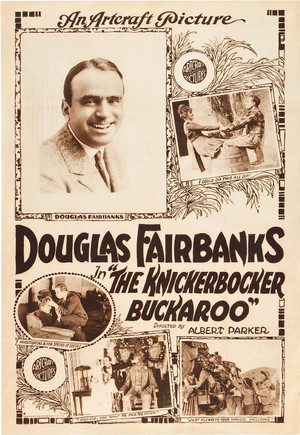
Angered by his son Dick's boastful ways, which in one incident lead him to lose a business deal, an automobile manufacturer challenges him to complete four difficult missions.
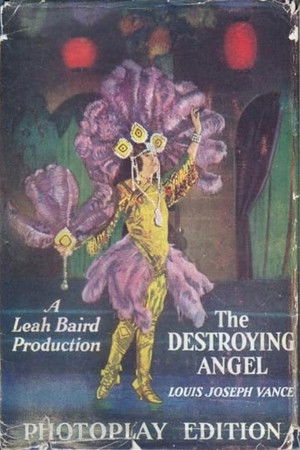
Floss Brannon, expelled from college for mischievous conduct, marries Chester Framm, a struggling young student who aspires to be an orator. When Chester's salary as an insurance clerk proves insufficient for the couple's needs, Claire invents a complexion cream called "Angel Bloom." Deciding to combine Chester's oratory prowess with the promotion of Angel Bloom, Floss rents an elephant, coats it with the cream and plans to have Chester pitch the product from the back of the animal.
Released on July 3, 1927
Upon hearing that his daughter Elizabeth, is coming from America to visit him in Paris, wealthy Willoughby Quimby, decides to give up dry martinis and women. However, Elizabeth seeks a wild time and ends up leaving France with her father's drinking buddy, Freddie, and Willoughby goes back to his dry martinis.
Returning from France after the war, John Tabor informs Palma May of her brother's death and offers the penniless girl his help, but she refuses it, preferring to work as a cabaret dancer. Later, John and Palma meet again, marry, and go west to manage a lumber camp, as instructed by John's wealthy father, Jarvis Tabor. Displeased by John's choice of wife, the elder Tabor tests the couple with difficult living conditions, which eventually discourage Palma, and she accepts the party invitation of Keith Merwyn, manager of the cabaret where she starred. Meanwhile, Merwyn effects a disturbance among the lumbermen, endangering John.
Wealthy Edward Morgan becomes charmed with a curly-haired orphan and her pretty older sister Mary and arranges to adopt both under the alias of "Mr. Jones". As he spends more time with them, he soon finds himself falling in love with Mary.
Tired of being constantly nagged by "Paul" and another suitor, their shared romantic interest (referred to as Paul's inamorata) purposely has herself arrested for speeding. She vows to marry whichever man is able to get her released from jail. Both men make various, often bumbling, attempts to join her in jail to facilitate her release. After both suitors successfully manage to get themselves locked up, they discover that the woman has already been freed by her father. The film concludes with the two suitors facing actual prison terms while the woman remains free.
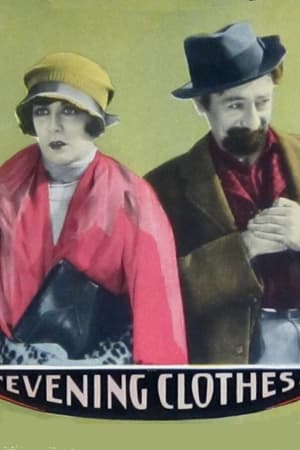
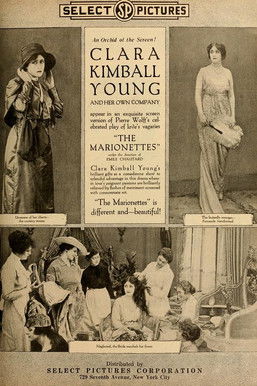
Attracted by his wealth, avaricious Germaine marries D'Artois, then leaves him for a more sophisticated man. D'Artois retaliates by moving to the city and learning the proper social graces. His new life style proves to be too expensive for him, and at the end he is left with nothing but one suit of evening clothes and his now contrite wife.