Many times during his presidency, Lyndon B. Johnson said that ultimate victory in the Vietnam War depended upon the U.S. military winning the "hearts and minds" of the Vietnamese people. Filmmaker Peter Davis uses Johnson's phrase in an ironic context in this anti-war documentary, filmed and released while the Vietnam War was still under way, juxtaposing interviews with military figures like U.S. Army Chief of Staff William C. Westmoreland with shocking scenes of violence and brutality.
Hunting in Wartime profiles Tlingit veterans from Hoonah, Alaska who saw combat during the Vietnam War. The veterans talk about surviving trauma, relating to Vietnamese civilians, readjusting to civilian life, and serving a government that systematically oppresses native people. Their stories give an important human face to the combat soldier and show the lasting affects of war on individuals, families and communities.
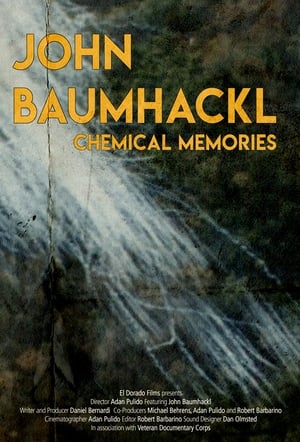
John Baumhackl recalls the early days of the Vietnam War when more and more troops were being sent into combat every month. In 1968, John's number came up and he was drafted into the conflict. Buying a camera at his company store before shipping off, he captured many battles while in a helicopter. John was near the front lines when President Nixon made the controversial decision to push into Cambodia. In John's view, this saved American lives.
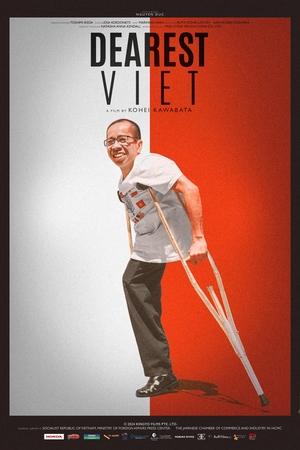
Born a conjoined twin due to the effects of Agent Orange used during the Vietnam War, Duc Nguyen, now a father and husband, seeks the truth about his past and contemplates the future.
A dangerously disturbed Vietnam veteran struggles with life 15 years after his return home, and slowly falls into insanity from his gritty urban lifestyle.
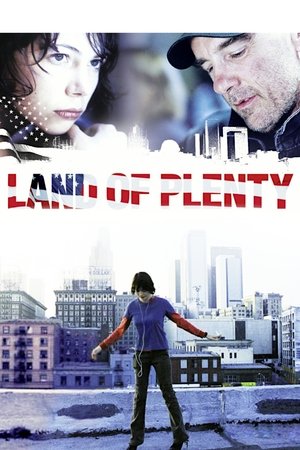
After living abroad, Lana returns to the United States, and finds that her uncle is a reclusive vagabond with psychic wounds from the Vietnam War.
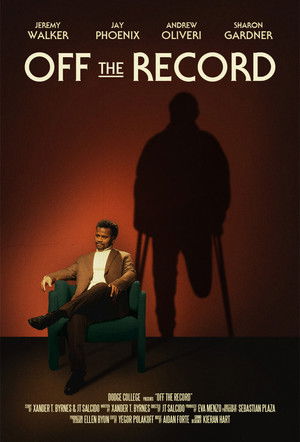
At the height of the Vietnam War, a budding journalist eager to make a difference stumbles across the story of his career. Years later, he is forced to confront the consequences.
A documentary that explores AIDS activism in Frankfurt, focusing on activists, affected individuals, and organizations fighting the epidemic, raising awareness, and advocating for policy changes. Directors Lou Deinhart, Evi Rohde, and Zoë Struif incorporate 1980s/90s theatre productions, news footage, and protest recordings into their research. Alternating between present-day encounters and historical media, they interview numerous witnesses, constructing a collage of diverse memories rather than a single narrative, highlighting grassroots movements' struggles, solidarity, and impact.
Valdivia 1960, El Gran Terremoto
In 2020 / 2021, I suffered from severe Bipolar mania. This is a reflection on my encounter with Bipolar mania and back.
In June 1978, Patrick Vallençant made the first ski descent of the southeast face of Artesonjaru in Peru, in the Cordillera Blanca, 6,000 meters above sea level and 60° of slope. He left Huaraz on horseback, a donkey carrying his equipment. While crossing Cajas, the last village on the trail to Lake Paron, he was greeted by Victor and Cesar, two Indians who accompanied him to the lake. The climb to the summit was tiring, requiring as much effort from his arms as from his legs. The beginning of the descent was hesitant, the slope extremely steep. He achieved his feat on June 9, his thirty-second birthday.
Eleven-year-old Papik (nickname for Yannick Vallençant) dreams of climbing Mont Blanc with his father, Patrick Vallençant. After serious training, the adventure begins: they set off from the summit of the Aiguille du Midi, climb the ridge of the three Mont Blancs, bivouac at the Col de la Brenva, cross the Mur de la Côte and reach the summit of Mont Blanc. No child his age had ever before achieved this feat by this route.
How an electric lineman's tool manufacturer in Centralia, Missouri, helped save the first American space station from catastrophe.
The Born at Home documentary explores and uncovers the empowering journey of homebirth, shedding light on the often overlooked and misunderstood option that has transformed lives. Born at Home dives into real stories of women navigating birth trauma and examines how a shift in environment and informed choices can reshape the birthing experience. Wisdom is shared from homebirth families, interwoven with evidence-based information from midwives, medical professionals, doulas, researchers and maternity advocates.
In the documentary about Olivér Halassy, the outstanding sports career of the legendary swimmer and water polo player is shown, and with the assistance of Olympic and Paralympic champions we also gain insight into the world of domestic water sports in the 20th and 21st century.
An innovative documentary that illustrates how weather works by performing brave, ambitious (even unlikely) experiments that show how nature transforms simple ingredients like wind, water and temperature into something spectacular and powerful.
#RimavskaPomahaUkrajine
ZLOvensko
Los 80. Drogas, Sida y Punk en Euskal Herria
Manouchian et ceux de l'Affiche rouge