This instructional film reveals the decisive role that water has played and is still playing in the emergence and survival of life on earth.
Život stojatých vôd
The decision to move to Holland doesn't sound like a wise idea. Why move to a country that could be flooded at any moment? For the last 25 years, the political climate has shifted. The public debate on migration has become harsher, more heated, and polarized. What would have been considered right-wing xenophobia back then, is now considered mainstream. Populists simplify complex realities into good and evil, victims and perpetrators: ‘us’ versus ‘them’. Their rhetoric often consists of dehumanizing words and metaphors. One of these is ‘water’. In reality, water is not an immediate threat to the average Dutch person; but it is a huge threat to the thousands trying to reach the Netherlands. People trying to survive the Mediterranean Sea in rubber boats. Trying to survive winter on the Aegean coast in primitive tents. To them, water really is deadly.
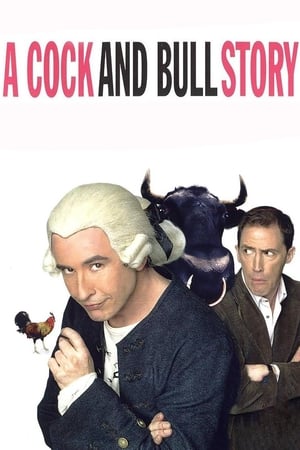
Steve Coogan, an arrogant actor with low self-esteem and a complicated love life, is playing the eponymous role in an adaptation of "The Life and Opinions of Tristram Shandy, Gentleman" being filmed at a stately home. He constantly spars with actor Rob Brydon, who is playing Uncle Toby and believes his role to be of equal importance to Coogan's.
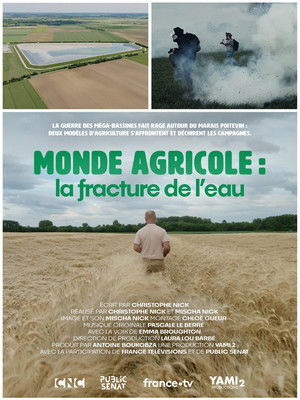
Monde agricole : la fracture de l’eau
Filmmakers Jordan Reclus and Mathieu Ciulla travel through the South of France, investigating an elusive water vein with the help of water engineers and well-known local dowsers. A documentary offering a glimpse into the unsuspected routine of water through the little-known prism of dowsing. Water does not always seem to flow the right way…
Embarrassed about his identity and culture, a meek Indian high-schooler decides to attend an American university to pursue his passion for film. But in doing so, he causes a rift in his fundamentalist family.
'Therapy Below Zero', is a riveting new documentary filmed in Newfoundland and Labrador. Audiences are plunged into the icy depths of a revolutionary treatment that's transforming lives - cold water therapy.
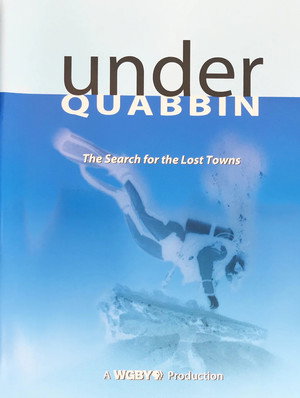
Beneath the millions of gallons of water that flow into homes across eastern Massachusetts is a story of buried history, scientific discovery, & individual hopes & dreams destroyed in the name of progress. Edward Klekowski, a UMass biology professor with a passion for scuba diving, chronicles an unprecedented search for the remains of four lost towns under the Quabbin Reservoir in Belchertown, MA
An insider's look into Francis Ford Coppola's latest Live Cinema project, Distant Vision.
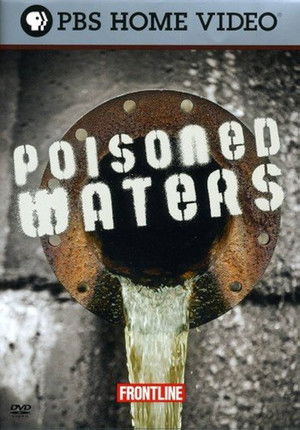
More than two decades after the Clean Water Act was supposed to make America’s waters clean enough for swimming and fishing again, two iconic waterways — the great coastal estuaries of Puget Sound and the Chesapeake Bay — are in perilous condition. With polluted runoff still flowing in from industry, agriculture and massive suburban development, scientists fear contamination to the food chain and drinking water for millions of people. A growing list of endangered species is also threatened in both estuaries. As a new president, Congress and the states set new agendas and spending priorities, FRONTLINE correspondent Hedrick Smith examines the rising hazards to human health and the ecosystem, and why its so hard to keep our waters clean.
The ocean contains the history of all humanity. The sea holds all the voices of the earth and those that come from outer space. Water receives impetus from the stars and transmits it to living creatures. Water, the longest border in Chile, also holds the secret of two mysterious buttons which were found on its ocean floor. Chile, with its 2,670 miles of coastline and the largest archipelago in the world, presents a supernatural landscape. In it are volcanoes, mountains and glaciers. In it are the voices of the Patagonian Indigenous people, the first English sailors and also those of its political prisoners. Some say that water has memory. This film shows that it also has a voice.
For generations, the Samburu people and their livestock have had a deep connection with water, depending on the rains for their survival. The Land Smiles Back is the story of the Samburu community in Westgate Conservancy, who made the land “smile” again by returning to ancient hydrotechnology.
Making of the cinematographic shooting of "Premier de cordée" directed by Louis Daquin in the Mont-Blanc massif. In 1943. Alain Pol films the risky adventure of filming in the high mountains with a team of seventy people. The images of the making-of reveal the technical constraints encountered by the actors and technicians: falling rocks, crossing glaciers and long approach walks at altitude to the filming locations. Six actors and technicians will also be injured and the main role - that of Pierre - will be reassigned to André Le Gall following a bad fall by Roger Pigaut.
Draped in an electric blue fabric, the artist acts as a conduit between the tangile and the spiritual, blurring the boundaries between human form and natural elements.
Back to the Titanic documents the first manned dives to Titanic in nearly 15 years. New footage reveals fresh decay and sheds light on the ship’s future.
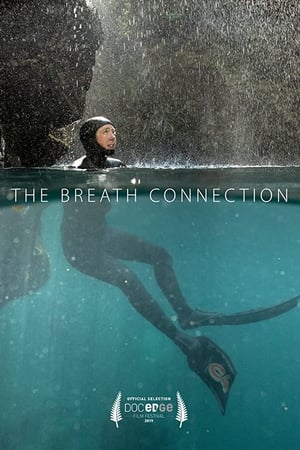
A portrait of free diver Kathryn Nevatt, former World Champion and current New Zealand record holder in all three disciplines.
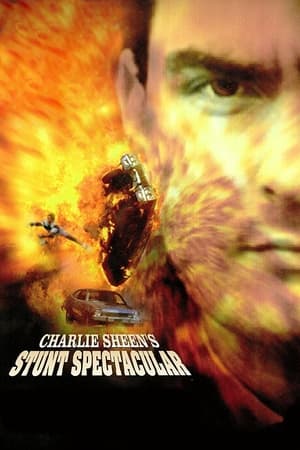
The first behind the scenes look revealing the movie magic of the men and women of the stunt profession, Hollywood's unsung heroes. Charlie Sheen and Stuntman Hall of Famer BJ Davis host.
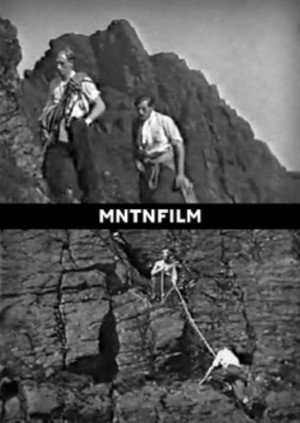
Rock climbing on the "Cobbler". Awarded first prize by Michael Powell in the 1948 Scottish Amateur Film Festival
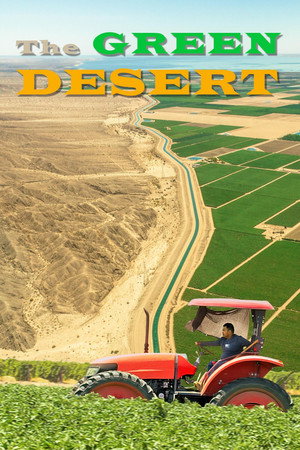
The Green Desert presents a dazzling kaleidoscope of vineyards, date ranches, and bell pepper farms in the Coachella Valley near the Salton Sea. The much larger Imperial Valley harvests leafy greens by the truckload, delivering over 1 billion servings a year. The alfalfa it grows is the bedrock of the food supply chain, making dairy and meat production possible. A total of 90% of the winter vegetables consumed in the US are produced in these two regions. Without them, the nation’s food security would vanish. Both of these regions rely on imported Colorado River water, a resource dwindling by the year. The need for conservation has never been greater, but will desperate measures be enough? The era of limits has been reached. We are at a crossroads. The future of the American West will be shaped by the choices we make.