Ben Jordan runs away after accidentally setting fire to a barn in his small New England community. He returns when his mother dies to find that she has left everything to her ward, Jane Crosby.
Living quietly under the assumed name Paul Sernine, reformed gentleman crook Arsene Lupin is summoned to protect his invalid, wealthy friend Henry Forbes.
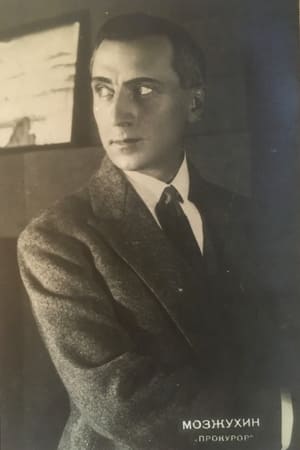
Prosecutor Olsen's lover, the singer-songwriter Betsy, leaves him for a new passion. And he, speaking in court as a prosecutor, remains deaf to the dictates of feelings, a ruthless servant of the harsh Law. Some time later, Betsy kills her new lover in a fit of jealousy; Olsen, who retained his feelings, nevertheless becomes her accuser at the trial. He seeks the condemnation of Betsy, but comes to the realization that he lived unrighteously, allowing himself to be judged, becoming a servant of Themis. Exit in the classic tradition of the great mute: Olsen commits suicide.
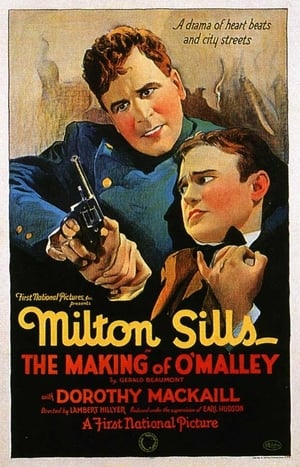
A policeman falls for a teacher, and befriends her students. A gang of bootleggers threatens his newfound joys.
A film adaptation (funded by Ken Togo) based on an expose book by a person involved in the Japanese entertainment industry of the time. The book describes among other things the drug-fueled parties, orgies of the entertainment business and what some celebrities like Johnny Kitagawa among others were allegedly up to in their free time. Basically giving an open-book about the secrets of the entertainment-world. The film adapts and portrays some of the shocking scenes of this book, focussing more on the gay-aspect of the expose.
Four sisters come of age in America in the aftermath of the Civil War.
Based on the short story from George Eliot's 1857 work Scenes of a Clerical life. A chaplain to an aristocratic British family falls in love with their ward, a young Italian woman, who he marries. Tragedy strikes when she dies only a few months later leaving him in a state of grief.
A princess avoids a forced marriage by changing places with her double.
A youth waits for his brother to return home from a bloody war. He encounters something very nasty and evil in the basement of his house, claiming his older brother has in fact died.
Princess Cecelie of Capra, a small Alpine nation, visits the U.S. with her mother, Queen Charlotte, and becomes enamored with Jazz Age culture. The princess refuses an arranged marriage with Prince Boris of Dacia, unaware that they have already fallen in love during a chance meeting.
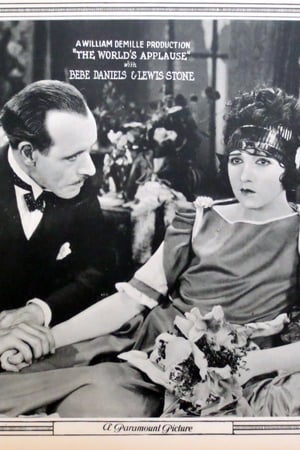
Corinne d'Alys (Daniels) achieves sudden success on the stage and among her many admirers is noted artist Robert Townsend (Menjou). Robert is married to Elsa (Williams), the sister of John Elliott (Stone), the producer responsible for Corinne's rise to fame. The young woman's head is turned by the praise she receives and, despite John's warning against Robert, she permits the latter to paint her portrait and pay her a good deal of attention. John himself loves Corinne and believes that wisdom will come to her with time.
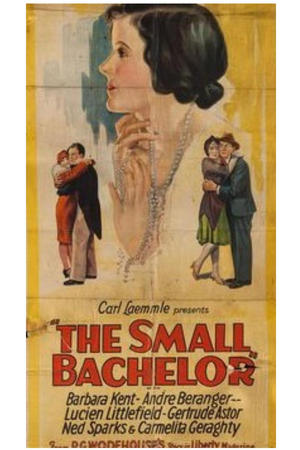
What must a man do in order to put an end to his bachelorhood? For George Finch, one of nature's white mice and probably the worst artist ever to put brush to canvas, there are many obstacles. Undoubtedly the greatest is his beloved Molly's fearsome stepmother, Mrs. Waddington, who has her eye on an eligible English lord for a son-in-law. Luckily, George has an ally in sharp-witted Hamilton Beamish, an old family friend of the Waddingtons, not to mention George's butler, Mullett, and his light-fingered girlfriend, Fanny, whose valuable skills are of particular interest to the would-be father-in-law.
Mary, an orphan, comes to live with her aunt. Being in rather poor health and what some might call homely, the poor girl despairs of ever receiving any attention either from her pretty cousins or their gentlemen friends. One of the cousins, however, who is an athletic girl, takes her in hand. The first dose of medicine is a bout at boxing, then a run along the country road, followed by a cold plunge. This is kept up daily for two months, at the end of which time no one would know Mary, such a transformation having taken place. The other girls are now in fearful dread of losing their sweethearts, as they seem too well pleased with the result.
The Parson and his friend Pete, a worthless inebriate of the village, in a drunken sleep by the roadside. His cure has been tried often, but in vain. The Parson's friend suggests a novel scheme, that of taking him to his home, waking him there and make him believe he is in paradise; then feeding him wine until he is asleep again, placing him back in the same place in the road. The scheme worked to perfection and it looks as if the village saloon will get no more of Pete's money for drink.
Faith’s life is shattered when her lover dies. Her brother Job locks her away in a lighthouse, but she jumps from the tower rather than be imprisoned. Faith's daughter, however, lives on. The girl Eve grows into her teens, sheltered from the world by her puritanical uncle. But Eve nevertheless manages to encounter a young man, Phillip Blake. When Phillip returns for Eve, he has to deal with her crusty, malevolent guardian….
Martin is hurriedly called to High Beach to close a big deal with the president of a construction company stopping there.
A wife is waiting for her fun-loving husband to return from a club masquerade. The husband returns home with two companions who set up a diversion to transform the wife's wrath into compassion. She becomes aware of the joke and, rolling pin in hand, suggests that the friends leave her alone with her husband.
Directed by Max Urban.
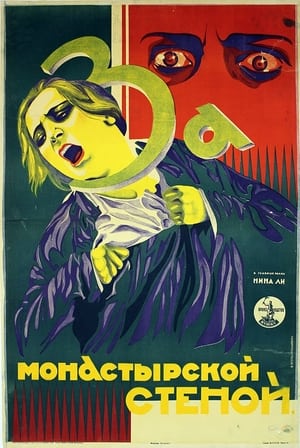
The old nunnery owns the best lands. Nuns rent out the land to local rich men, and exploiting peasants they have a wealthy life. The peasants live in misery. Especially, the family of the peasant named Levin. He is forced to give away his last horse, his son Andrii is imprisoned, his daughter Nastia becomes a maid of a rich landlord. Trying to prevent the master’s harassment, Nastia escapes and gets to the nunnery. She can see the other life of the nuns who manufacture false relics, drink alcohol and kill children. Nastia ends up in the basement for resisting one of the “spiritual pastors.” Meanwhile, her brother Andrii escapes from prison. He stirs up a rebellion and saves his sister. The film is lost.
In Dijon, Inspector Hanaud investigates Betty Harlowe after her uncle, Boris Waberski, accuses her of poisoning her wealthy aunt for an inheritance. While an initial autopsy finds nothing, Hanaud discovers the use of Strophanthus Hispidus—a rare, undetectable poison applied via an antique arrow. Amidst a flurry of "poison pen" letters and deception, Hanaud proves the murder occurred despite the lack of conventional medical evidence.