Follows members of the Zulu Club, New Orleans’ first Black Mardi Gras, as they work to bring the Zulu parade back to the streets for Mardi Gras Day 2022, in the face of a global pandemic, hurricane Ida and the loss of members due to COVID and gun violence.
Carnaval Claudia Leitte: We Can Do It!
In 1975, soon after the end of the Vietnam War, Hoa Thi Le and Hue Nguyen Che fled the country on a small boat. After nine days at sea, they docked in the Philippines, where they were utilized as background extras for “Apocalypse Now.”
Concert footage of The White Stripes recorded in January of 2004, featuring tracks from the band's four studio albums as well as live favorites like the Dolly Parton cover "Jolene"
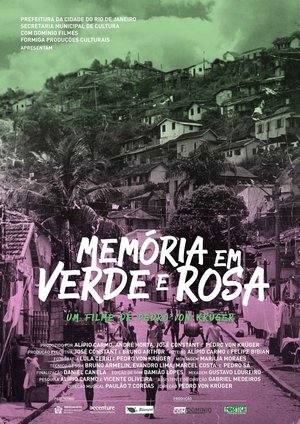
The Mangueira slum is the scenario where Tantinho and the old samba composers remember stories about the slums and samba.
Skip Liberty enlisted in the Army in 1968. During his tour in Vietnam he shot 3,100 feet of Super 8 film, over 3 hours worth. Upon returning to the states the film was placed in storage, Skip had never seen the footage he shot. Until now.
The Carnival of the Animals returns in a brand new version, directed by Gabriel Alloing, combining music, storytelling, and live visual creations. Composed by Camille Saint-Saëns in 1886, this iconic work is performed here by ten musicians from the Ensemble Est-Ouest and accompanied by original texts by Alex Vizorek, written especially for young audiences. Recorded at the Théâtre Libre in Paris's 10th arrondissement.
Documentary about the rise and fall of Leandro de Itaquera Samba School, a cultural organization from São Paulo east end that had a major role during the profissionalization of Carnival competition in the city.
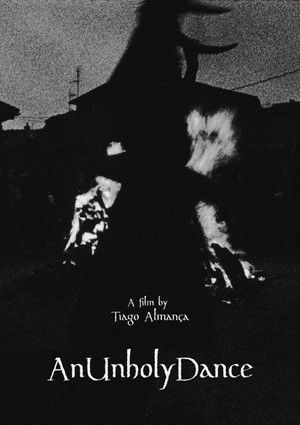
Every winter, a small town in Castilla-La Mancha called Luzón transforms into a little hell. Its inhabitants, dressed as devils, venture into the darkness and roam its streets with horns, bells, and smeared with soot. Una dança non sancta could have been just an anthropological documentary. Instead, it delves into the inferno with the town’s residents to participate in and immortalize this unholy ritual.
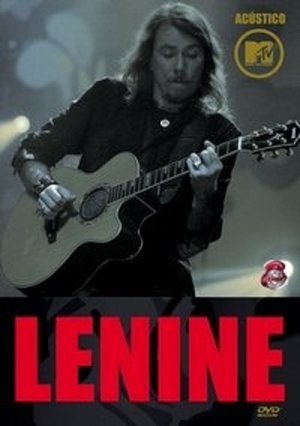
Recorded at Auditório Ibirapuera in Sao Paulo , on 24 and 25 June 2006 , the album features the biggest hits singer-songwriter Lenine's career such as "Paciência" (Patience), "Jack Soul Brasileiro" (Since I am Brazilian), "Na Pressão" (On The Pressure), "A Rede" (The Net), "Hoje Eu Quero Sair Só" (I Want Go Out Alone, Today) and "A Medida da Paixão" (The Measure of Passion), plus new songs like "Tudo Por Acaso" (All By Chance). The album features special participations from musicians such as the Chilean Victor Astorga (the first English horn soloist with the Brazilian Symphony Orchestra), Cameroonian bassist and singer Richard Bona, Mexican singer Julieta Venegas, harpist Cristina Braga, the rapper Gog, and drummer Iggor Cavalera (ex-member of Sepultura). The DVD includes bonus material, plus making-of scenes, reviews, testimonials about the project, the guests and also footage of the 2006 World Cup, since the performance was recorded concurrently with it.
Three bands and crew (a combined total of 13 individuals), 2 Dodge Ram extended cab vans, one equipment truck, one PA system traverse the continental US for six months. A road documentary shot from the inside of the last Black Flag tour ever (the 1986 “In My Head” US tour.) Featuring behind the scenes proceedings and live performances from Black Flag, Painted Willie, and Gone. David Markey was along for the entire trip as the drummer / singer for Painted Willie, documenting the six month tour with his Super-8 camera as it happened. Also features roadie Joe (“Planet Joe”) Cole, soundmen Davo Claasen and Dave “Ratman” Levine, and the tour manager who kept it all together, Mitch Bury. A crucial turning point in American underground rock. The end of the line for a trail blazing American band. Shot in 1986 and completed by director David Markey in 1991 for We Got Power. (futuristika.org)
Sonho de um Carnaval
A short film shot on Super 8 which captures the last days of winter.
A film essay that approaches cinema as a water current, revisiting a body of previous essay films through the recurring image of water—rivers, seas, tides, and flows—to explore cinema as a fluid space of memory, movement, and transformation.
No Fio do Destino: Mulheres e Jeans em Toritama
Pelé, a retired nurse, revisits his memories as a performer in the Boi Tira-Teima group from Caruaru, Pernambuco. Between longing for the past and the impossibility of celebrating Carnival in the present, he imagines what it would be like to return to Carnival one last time.
Every night, a father tells his son a bedtime story. As if by challenge, the child always chooses the same book, with scores, orchestra photos and images of animals. It’s about Camille Saint-Saëns’ “Carnival of the Animals”. Under the impetus of the gentle complicity of father and son, this somewhat austere book is transformed, comes to life and makes music: the carnival animals come to life...
A panorama of Brazilian popular music from the 60s and 70s through the musical group Novos Baianos. A retrospective of the community lifestyle adopted by its members and the influence inherited from singer João Gilberto.
The making of the samba school parades, with the construction of the great cars, the decorations being spread all over the city and the hand-crafted tailoring of the costumes by apt hands that stitch together colourful and glowing materials.
Documentary about the kolla people living in North Western Argentina.