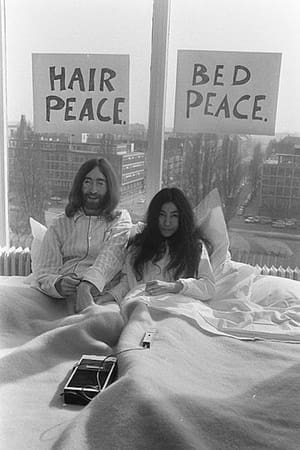
John and Yoko in the presidential suite at the Hilton Amsterdam, which they had decorated with hand-drawn signs above their bed reading "Bed Peace." They invited the global press into their room to discuss peace for 12 hours every day.
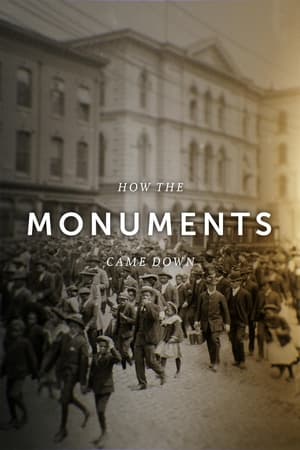
How the Monuments Came Down is a timely and searing look at the history of white supremacy and Black resistance in Richmond. The feature-length film-brought to life by history-makers, descendants, scholars, and activists-reveals how monuments to Confederate leaders stood for more than a century, and why they fell.
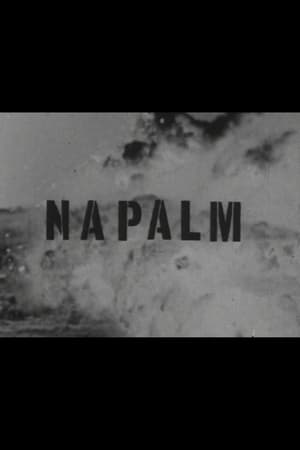
A variety of locals react to a napalm plant and an ensuing protest in Redwood City CA during the Vietnam War.
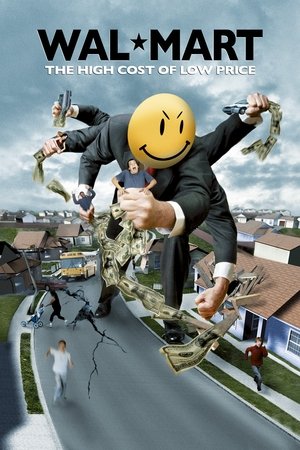
This documentary takes the viewer on a deeply personal journey into the everyday lives of families struggling to fight Goliath. From a family business owner in the Midwest to a preacher in California, from workers in Florida to a poet in Mexico, dozens of film crews on three continents bring the intensely personal stories of an assault on families and American values.
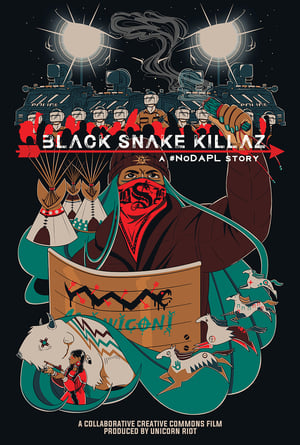
Black Snake Killaz is a feature-length documentary film about the resistance to the Dakota Access Pipeline. This film explores actions taken by water protectors to stop the construction of the oil pipeline and highlights actions taken by law enforcement, military, and corporate mercenaries to quell the months-long protest. Black Snake Killaz timelines the historical events that unfolded in Standing Rock throughout 2016 and brings you the raw experience from many frontline actions to protect the water. Although the Dakota Access Pipeline is completed, the impact of the movement will be long-lasting. As fossil fuel extraction projects continue to impact some of the most vulnerable communities throughout the United States of America, the importance of the water protectors story grows.
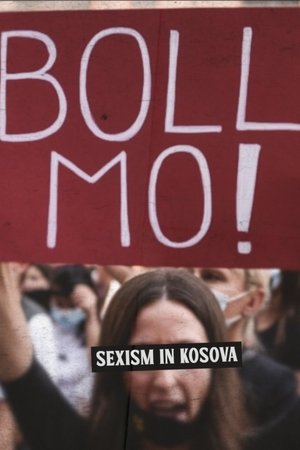
A documentary exploring sexism and patriarchy in Kosova.
British artist, academic, musician and activist Bob and Roberta Smith has been waging slightly odd political protests for years, in this documentary he investigates the age of activism and discovers what people are protesting about.
Award-winning director Yoav Shamir (Defamation, Checkpoint) sets out on an entertaining and insightful international quest, exploring the notion of heroism through a multi-faceted lens. From ordinary heroes to freedom fighters, primates to humans, behavioral scientists to geneticists, even Ayn Rand to Raelians, Shamir leaves no stone unturned, and along the way unveils the fundamental truths of human nature.
The documentary project The Term was conceived in May 2012. When the directing trio commenced mapping the Russian sociopolitical landscape, Vladimir Putin had just settled into the Kremlin for his third term. The original experimental format of “documentary bulletins,” which were published daily online, allowed for wide-ranging content; in the feature film version, however, the filmmakers focused solely on the members of various opposition groups. Nevertheless, the work’s neutral position remains and viewers have to interpret the objectively presented situations for themselves. The main characteristics of this strongly authentic movie include close contact with the protagonists, precise editing, and an effectively controlled release of information.
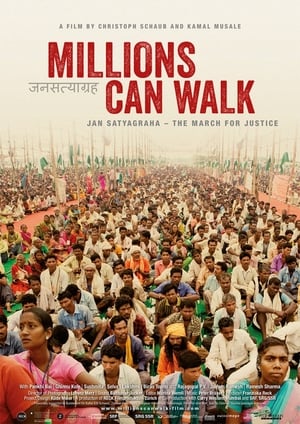
Hundreds of thousands of Indian men and women – indigenous inhabitants and landless farmers – demand their right to existence by making a 400 kilometre protest march from Gwalior to Delhi. How can one fight for one’s rights without using violence? With such an important contemporary question, the film spreads far beyond the borders of India. It shows the multiple facets of this imposing protest march and focuses as well on the daily realities of these proud people.
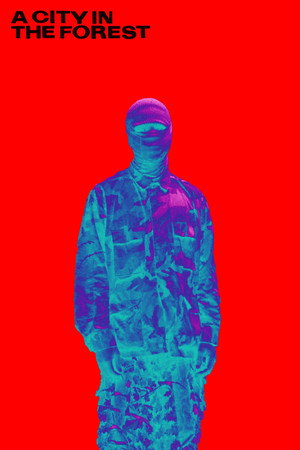
When a private police foundation in Atlanta tries to raze an urban forest to build the country’s largest police training facility, a diverse, decentralized, and intersectional movement defends the forest from what they call “Cop City.” A City in the Forest paints a collective portrait of the country’s most urgent social justice story, where a web of activists fight back against environmental racism, political corruption, police violence, and the criminalization of dissent.
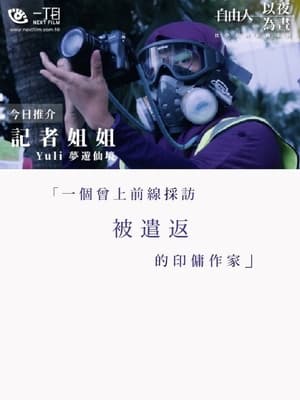
The work documented the story of Yuli, a Hong Kong domestic worker from Indonesia. She is a novelist who won a literature award and also a journalist dedicated to writing. Between the social event that happened in June in Hong Kong, her thoughts and caring about the city are far more from what people used to imagine a narrative of a domestic worker. They are not only domestic workers but they also have other social roles, e.g. a citizen who lived in Hong Kong.
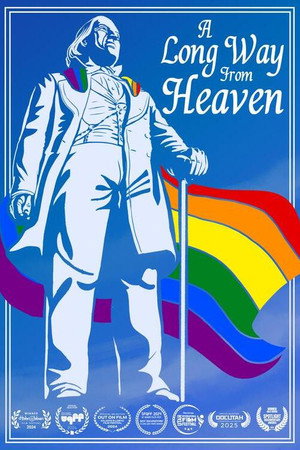
The true story of the students of Brigham Young University's queer underground, as they lit the school's iconic "Y" in rainbow colors. But, A Long Way From Heaven does a lot more than tell the story of the Rainbow Y. It outlines the history of queer treatment at BYU - the good (where it exists), the bad, and the very, very ugly. The film combines new, original footage with a huge variety of historical images, videos, newspaper articles, and other mixed media from every conceivable source to tell the story of BYU's queer students, and the bravery and risks they constantly take to make their voices heard.
A month after the Wall Street occupation, a number of protesters follow their example and set up their tents in front of the Ljubljana stock market. The protesters are united in the critique of representative democracy and global financial capitalism under the slogan ‘nobody represents us’. Their organisation is based on the principles of direct democracy. In absence of other social alternatives, a community starts to emerge in the camp in front of the stock market where everyone has an equal say, and everyone is united in their diversity. After the initial euphoria the great idea of direct democracy clashes against the contemporary individual; antagonisms surface, similar to those of the system which the protesters fight against. The story about the Slovenian version of the ‘occupy’ movement is portrayed with the stories of a few protagonists, who despite several defeats do not lose hope in a different world.
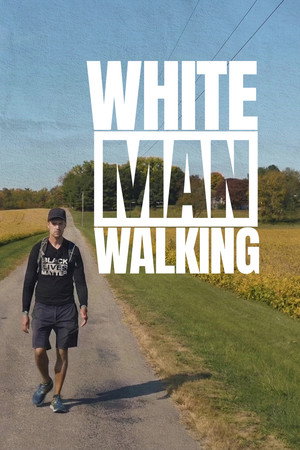
In July 2020, Rob Bliss posted a video of what happened when he held up a ‘Black Lives Matter’ sign in Harrison, Arkansas, 'the most racist town in America'. Years later, he set out on a two-month mission to walk back through the American South, wearing a Black Lives Matter t-shirt. His goal was simple: to take the conversation George Floyd’s murder had sparked about racism in American society into the places where it was most needed, yet was most silent.
In the Fusion documentary Ferguson: A Report from Occupied Territory, we turn to the residents of St. Louis County to tell us what it’s like to be racially profiled and under siege.
Louis meets the Phelps family — the people at the heart of the controversial Westboro Baptist Church. The Phelps have rabid anti-homosexual beliefs, and often campaign at the funerals of American soldiers. They believe that every tragedy in the world is God's punishment for homosexuality.
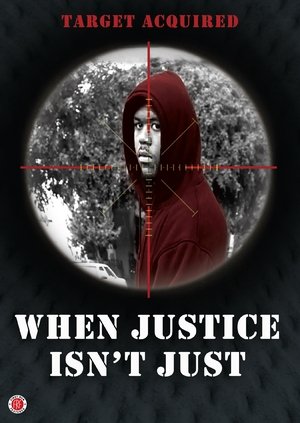
Directed by Oscar-nominated and NAACP Image Award winner David Massey, this dynamic documentary explores why so many unarmed black people have been targeted and killed by police officers. The filmmakers talk to legal experts, activists and law enforcement officials who discuss the inequality within our criminal justice system and who confront the crucial question of how to prevent more violence in this country, including Black on Black deaths. As the Black Lives Matter movement - and citizens nationwide - question the accountability of our justice system in cases of police violence, When Justice Isn't Just is an essential addition to the ongoing discussion about reform and renewal.
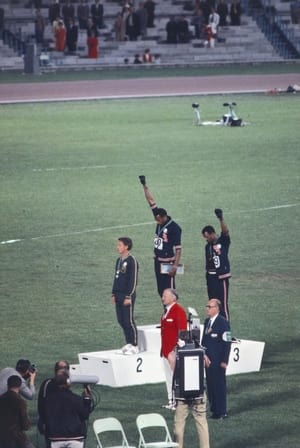
A film about one of the most iconic images of the 20th century, the moment when the radical spirit of the 1960s upstaged the greatest sporting event in the world. Two men made a courageous gesture that reverberated around the world, and changed their lives forever. This film is about Tommie Smith and John Carlos' protest at the 1968 Olympics.
ANDRO DADIANI's political performances dissect the oppression by state and church in Georgia and conquer Tbilisi's urban spaces. As a queer, non-binary protest and performance art figure, their identity remains a secret. The danger of open resistance is too great.