Martin Scorsese’s electrifying concert documentary captures The Rolling Stones live at New York’s Beacon Theatre during their A Bigger Bang tour. Filmed over two nights in 2006 with an all-star team of cinematographers, the film combines dynamic performances with archival footage and rare glimpses behind the scenes, offering a vibrant portrait of the band’s enduring energy and legacy.
A television documentary on the life and career of British film director David Lean. Scenes of Lean directing are intercut with personal interviews in which the director explains his methods, the beginnings of his career, and his relationships with actors and actresses.
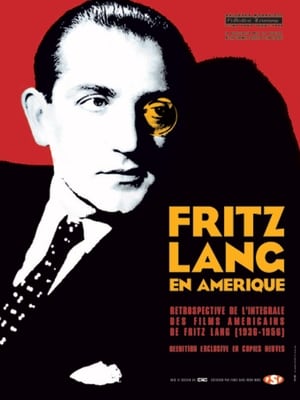
An hour-long discussion between Fritz Lang and Jean-Luc Godard in which they discuss a variety of art forms, the role of the cinema, their collaboration together, and much more. (Filmed in 1964 but released for TV in 1967.)
In 1966, German film critic Theodor Kotulla — who would go on to become one of the New German Cinema's most uncompromising filmmakers — visited the set of Robert Bresson's "Mouchette" (1967) and created this half-hour documentary about the director. It won the 1967 German Film Award for best short documentary.
Brought to life through archival material and the reflections of over 40 colleagues, friends and fans, BLOOD & FLESH is much more than the story of a moviemaking life most unusual. It beautifully captures the worlds of outsider filmmaker communities that existed in California in the ’70s, and the weird ways they intersected with Hollywood mainstream and union indies. On Adamson shoots, regular Orson Welles crew and cinematographers like Gary Graver, Vilmos Szigmond and Lazlo Kovaks worked alongside Bud Cardos — and at one point, Charles Manson! Director David Gregory (founder of Severin Films, director of LOST SOUL: THE DOOMED JOURNEY OF RICHARD STANLEY’S ISLAND OF DR. MOREAU) spent years making this film, speaking to everyone down to the cops who investigated Adamson’s murder, vividly encapsulating both a bold life and tragic demise, with alien conspiracies, go-go dancers and Colonel Sanders coming in along the way. If you’ve got even a passing interest in cinema, you want to see this
Documentary about the making of Marcel Carne's 1945 film Children of Paradise (France), interviewing the director, the actors and production designer, as well as other French directors.
Documentary about Italian film screenwriter Cesare Zavattini
Documentary about the life and career of Japanese actor Chishu Ryu.
Documentary about the making of Juzo Itami's film "Tampopo" (1985).
A tribute to the legendary Japanese film director featuring the reflections of filmmakers Lindsay Anderson, Claire Denis, Hou Hsiao-hsien, Aki Kaurismäki, Stanley Kwan, Paul Schrader, and Wim Wenders
This is a documentary about the making of "Wings of Desire" (1987). The director, writer, actors, composer and other contributors speak at length and in detail about how the award-winning film was devised, cast, filmed, scored and edited.
Documentary about the life and career of Italian film director Vittorio De Sica.
A 1965 episode of the French television program Cinéastes de notre temps, featuring interviews with many of film director Max Ophuls’s collaborators
A chronicle of the production problems — including bad weather, actors' health, war near the filming locations, and more — which plagued the filming of Apocalypse Now, increasing costs and nearly destroying the life and career of Francis Ford Coppola.
A documentary about making The Remains of the Day.
A behind-the-scenes documentary about director Michelangelo Antonioni as he's shooting his segment of The Three Faces, a vehicle for Soraya, the former empress of Persia. Featuring interviews with Monica Vitti, Tonino Guerra and more.
In the late sixties, Spanish cinema began to produce a huge amount of horror genre films: international markets were opened, the production was continuous, a small star-system was created, as well as a solid group of specialized directors. Although foreign trends were imitated, Spanish horror offered a particular approach to sex, blood and violence. It was an extremely unusual artistic movement in Franco's Spain.
Documentary about master director Roberto Rossellini, who tells details of his life and childhood and visits the places where he has lived and shot some of his most famous movies.
The first part of this series by Norman McLaren deals only with tempo. It starts by showing the disc travelling in one move (1/24 of a second) from A to B, and progressively demonstrates slower and slower tempos.
The adventurous life of Natacha Rambova (1897-1966), an American artist, born Winifred Kimball Shaughnessy, who reincarnated herself countless times: false Russian dancer, silent film actress, scenographer and costume designer, writer, spiritist, Egyptologist, indefatigable traveler, mysterious and curious; an amazing 20th century woman who created the myth of Rudolph Valentino.