This film made by a Palestinian-Israeli collective shows the destruction of the occupied West Bank's Masafer Yatta by Israeli soldiers and the alliance which develops between the Palestinian activist Basel and Israeli journalist Yuval.
Sima Shimony, age 69, embarks on a mission to find her friends and staff from the "ALYN" Institute for Children with Disabilities, which was situated in the secluded San-Simon monastery in Jerusalem, during the 1960s. Armed with a small camera attached to her wheelchair, she sets off on a journey across the country together with her friend Pini Newirth, also a polio child, to unfold and reclaim the story of the children affected by the Polio epidemic. In a futile attempt to rebuild their bodies so they could walk, the children were subjected to excruciating medical procedures with no parents or family at their side. But growing up together forged a group of remarkable, self-driven women and men with disabilities who eventually launched the Disability Rights movement in Israel.
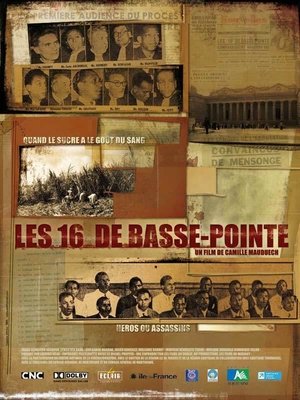
Les 16 de Basse-Pointe
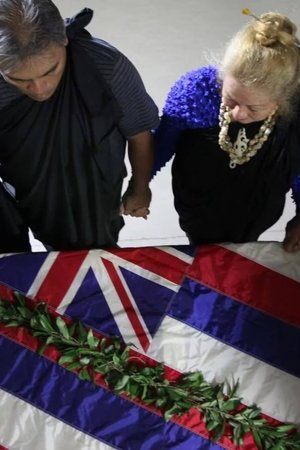
Ka Hoʻina documents members of Hui Mālama I Nā Kūpuna O Hawaiʻi Nei's final repatriation of over 140 sets of iwi kupuna and provides an intimate look into the legacy forged by these committed and passionate few, ensuring that Hawaiians will mālama or care for kupuna for generations to come.
Dukla - areál spomienok
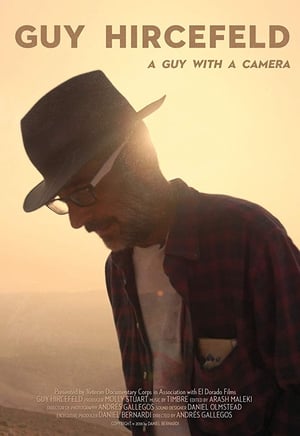
Guy Hircefeld, a veteran who served in the Israeli military at the start of its occupation of Palestine in the 1980s, now fights against the Israeli occupation. His only weapon is a camera.
Habonim Dror Brasil - A História
A forensic investigation into the impact of Israeli military operations on Gaza’s healthcare system. This urgent documentary examines evidence of widespread destruction across the territory’s medical infrastructure, where all 36 main hospitals have reportedly been damaged or destroyed. Hundreds of healthcare workers — including doctors and surgeons — are known to have been killed, injured or detained, with some alleging imprisonment and mistreatment
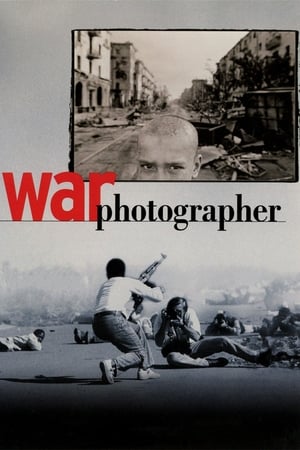
Documentary about war photographer James Nachtwey, considered by many the greatest war photographer ever.
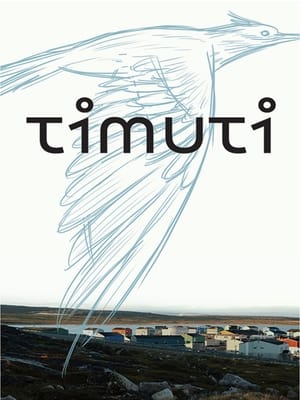
In this short film, artist Jobie Weetaluktuk turns his gaze on his family and the power of ritual through the story of a young woman and her unplanned child. In Inukjuak, an Inuit community in the Eastern Arctic, a baby boy has come into the world and they call him Timuti, a name that recurs across generations of his people, evoking other Timutis, alive and dead, who will nourish his spirit and shape his destiny.
A Maasai human rights lawyer fights to stop the evictions of his people from their homelands in Tanzania. On the outskirts of Serengeti National Park in East Africa, Maasai face eviction from their land to make way for international tourism and hunting grounds. Human rights lawyer Joseph Oleshangay campaigns for his community to remain on its homeland as it has done for generations. While he represents Maasai communities in court, Joseph also remains close to his traditions among the cattle at his rural home near the Ngorongoro Crater. Risking his life to gather evidence from recently depopulated villages, Joseph battles in court where he leads the fight to resist the evictions.
Structured in chapters, the film moves from the aftermath of the 1967 war to mass demonstrations and training grounds, where men, women, and children practice survival and resistance. The camera’s proximity, switching between black-and-white and colour, treats cinema as witness, archive, and rallying cry.
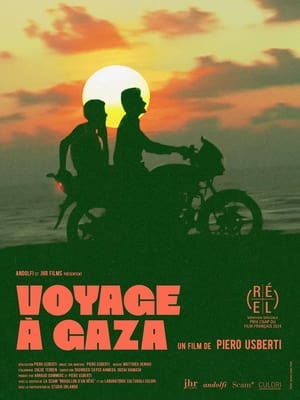
“In Gaza you have to get there in the evening, in spring, lock yourself in your room and from there listen to the sounds coming in through the open window.... It's 2018. I am 25 years old and a foreign traveler. I meet young Palestinians my age..”
Ice has always moved. When glaciation took hold some 34 million years ago, interconnected rivers of ice combined to produce the Earth's vast ice sheets. As temperatures slowly warmed glaciers developed a unique balancing act; advancing and retreating to calibrate their annual winter accumulation against summer melt. Sometimes calving colossal icebergs into the sea. A positive feedback loop that has regulated the movement of ice for millions of years.
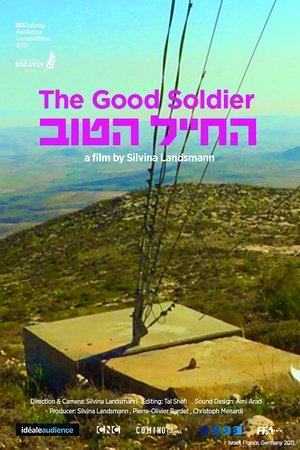
A look inside the work of Breaking the Silence, an organization of former IDF combat soldiers who collect and publish testimonies of soldiers who served in the occupied territories. For six months, director Silvina Landsmann, camera in hand, accompanied the staff of the organization. The many hours of footage have been refined into a film that dives into the heart of Breaking the Silence’s work: guided tours of Hebron and the surrounding area, public lectures and house meetings, internal staff meetings and media strategy. All the while the organization is forced to justify its very existence, both internally and to the broader public, and to justify its place in the political debate. The Good Soldier raises questions about Israel’s dynamic mainstream and the challenges of confronting it.
Filmed entirely with an iPhone, Teta, Opi & Me is a tribute to conformity, tolerance and courage. It is a poetic, meditative, multilingual, and feeling-driven short film, documenting the intricacies of the artist’s playful process in capturing her grandparents’ enduring romance through social, political and racial adversity. He comes from Bethlehem, Palestine and she comes from Vienna, Austria. Incorporating poetic filmic scenarios, vérité scenes, interviews, and home movies, the work is an inter-generational dialogue that explores themes of family, love, and the intermingling of cultures.
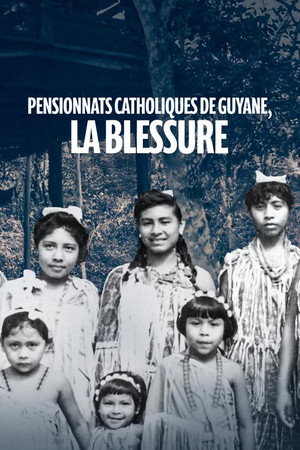
Pensionnats catholiques de Guyane, la blessure
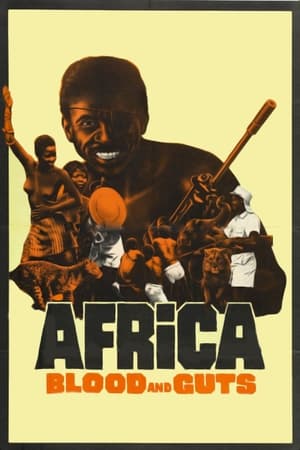
A chronicle of the violence that occurred in much of the African continent throughout the 1960s. As many African countries were transitioning from colonial rule to other forms of government, violent political upheavals were frequent. Revolutions in Zanzibar and Kenya in which thousands were killed are shown, the violence not only political; there is also extensive footage of hunters and poachers slaughtering different types of wild animals.
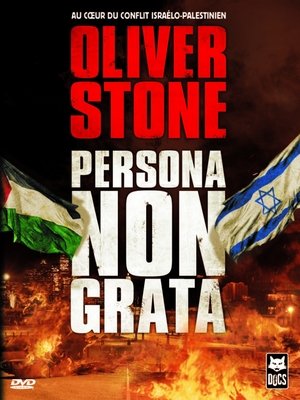
2003 documentary film produced by Oliver Stone for the HBO series America Undercover about the conflict in occupied Palestine. He speaks with Ehud Barak and Benjamin Netanyahu, former prime ministers of Israel, Yasser Arafat, late president of the Palestinian National Authority, and various Palestinian activists resisting the oppression of the zionist regime.
Prejudices, ignorance, and racism still leave their mark on the everyday life of black Germans, respectively Europeans, until today. How do Afro-Germans deal with their history? Which colonial-racist patterns still shape our society today? With insights into various historic epochs, it is made clear that THE history of the Black people does not exist. And neither exists THE history of white people.