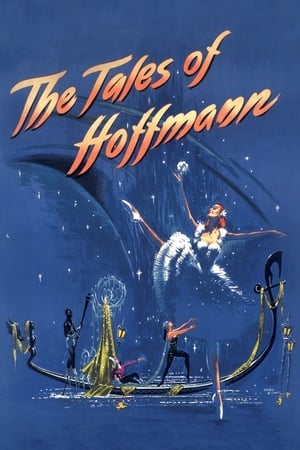
Every night, in danger of being beheaded, Scheherazade tells King Shahryar unfinished tales to continue them the following night, hence defying his promise of murdering his new wives after their wedding night. Scheherazade tells King Shahryar her stories but these are not those in the book. As in the book, these stories are tragic and comical, with rich and poor, powerless and powerful people, filled with surprising and extraordinary events.
An anthology film created under one theme by 3 directors who are creating their own colors in contemporary Mongolian cinema.
A nine story anthology featuring various dregs, druggies, the innocent and the doomed inhabiting a dingy motel room somewhere along Route 66.
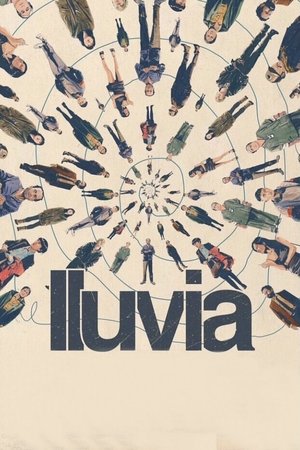
Three vignettes about the lives of young Chileans and their passions and frustrations over one of the century's most important rituals: football.
Five stories center on a werewolf, a feudal landlord, peasants, a ghost, and a mother and her sons.
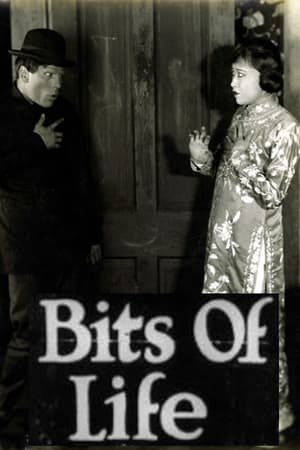
Adapted from the TV and radio series of the same name, the producer of said show reads letters from three woman providing the framing story for this melodrama anthology film. The tales focus on parenting and family struggles.
This anthology film, whose Chinese title begins with a romantic name for human excrement, premiered internationally at Rotterdam and won Best Screenplay from the Hong Kong Film Critics Society. A variety of Hong Kong people wrestle with nostalgia when facing an uncertain future. Their stories give way to a documentary featuring a young barista turned political candidate.
Jurácek's feature debut is shot in two parts. In the first, a corporal accompanies a new recruit with a sore Achilles tendon for his physical, and all the girls or young women they see are played by the same actress (Ruzickova). In the longer second segment, shot with the help of the Czechoslovakia army, the soldiers pass the time during basic training and maneuvers by talking about girls.
An unexpected love triangle, a seduction trap, and a random encounter are the three episodes, told in three movements to depict three female characters and trace the trajectories between their choices and regrets.
Three distinct tales unfold in the bustling city of Tokyo. Merde, a bizarre sewer-dweller, emerges from a manhole and begins terrorizing pedestrians. After his arrest, he stands trial and lashes out at a hostile courtroom. A man who has resigned himself to a life of solitude reconsiders after meeting a charming pizza delivery woman. And finally, a happy young couple find themselves undergoing a series of frightening metamorphoses.
Three tales of love, ambition, and neurosis unfold in the city that never sleeps. In "Life Lessons" (Martin Scorsese), a tormented painter channels heartbreak into his art. In "Life Without Zoë" (Francis Ford Coppola), a precocious 12-year-old navigates privilege and loneliness in a Manhattan hotel. And in "Oedipus Wrecks" (Woody Allen), a man’s domineering mother literally becomes a looming presence over New York.
The common denominator of the five stories, preceded by a brief prologue by Artem Benki, is the setting of a giant open-pit mine in the Podkrušnohoří region in northwestern Bohemia and its surroundings, including the dominant feature of the landscape, the ruined Jezeří Castle.
The film is a high-concept project with five stories exploring the themes of motherhood and pregnancy, directed by women filmmakers from five former Yugoslav republics. “Croatian Story” follows an anguished painter who must decide whether or not to keep one of her unborn twins, diagnosed with Down syndrome. “Serbian Story” finds an expectant mother in the same emergency room with a charming killer. “Bosnia-Herzegovina Story” centers on a financially strapped Sarajevo family whose son?s lover is pregnant. “Macedonian Story” unfolds in a clinic where a drug addict struggles to keep her baby, and “Slovenian Story” ends the omnibus on a humorous note with a nun who finds her own way to immaculate conception.
An anthology film of seven short films made during the Training Camp of FIRST Film Festival 2021.
Eight visually rich vignettes drawn from Kurosawa’s own dreams—fox weddings and vanished orchards, a soldier’s ghosts, a walk through Van Gogh’s canvases, nuclear nightmares, and a water-mill utopia—meditate on childhood, art, mortality, and humanity’s uneasy bond with nature.
This omnibus release consists of three playlets filmed and aired during television's Golden Age, and starring some of the legends of film and television. The collection originally ran as a two-hour segment on December 14, 1959, on the anthology series The Play of the Week, broadcast locally in New York City via the independent radio station WNTA. Each "tale" in the anthology was adapted from a single tale by the inimitable Sholom Aleichem, regarded by many as the "Yiddish Mark Twain". Included are: "A Tale of Chelm" starring Zero Mostel and Nancy Walker in the story of a bookseller attempting to buy a goat; "Bontche Schweig" about a poor man (Jack Gilford) whose recent arrival in Heaven makes the angels cry; and "The High School" about a Jewish merchant (Morris Carnovsky) persuaded by his wife (Gertrude Berg) to let their son attend a particular high school despite the enforcement of quotas for Jewish students.
New York, I Love You delves into the intimate lives of New Yorkers as they grapple with, delight in and search for love. Journey from the Diamond District in the heart of Manhattan, through Chinatown and the Upper East Side, towards the Village, into Tribeca, and Brooklyn as lovers of all ages try to find romance in the Big Apple.
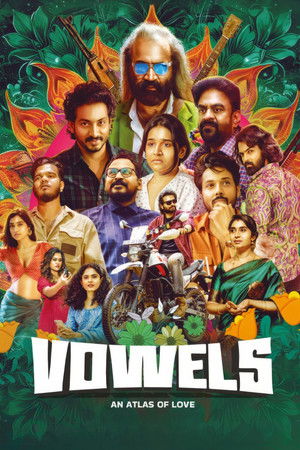
An anthology of four diverse stories about identity and belonging through prism of love and loss, sexuality, marriage and wish to fulfill dreams.
The story of those who see and make films, and the cinema that brings them together.
Seven episodes, each taking place on a different day of the week, on the theme of suicide and violent death.