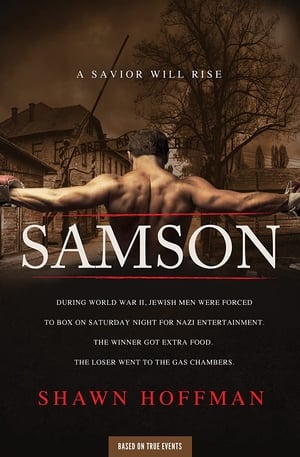
During World War 2, Jewish men were forced to box for Nazi Entertainment. The winner got extra food, the loser went to the gas chambers. Based on true events, a Jewish American Olympian and his family struggle for survival in the midst of the Holocaust.
As the United States government’s ability to handle civilian matters spirals out of control, an opportunistic military group seizes power…
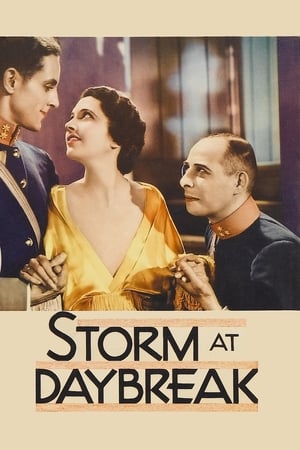
Sarajevo June 28, 1914. Dushan, the Serbian mayor of a Hungarian town, has come to see the parade of Archduke Ferdinand. While there he runs into Geza, an old friend in the Hungarian Army and invites him to come to his house and visit him and his new wife.
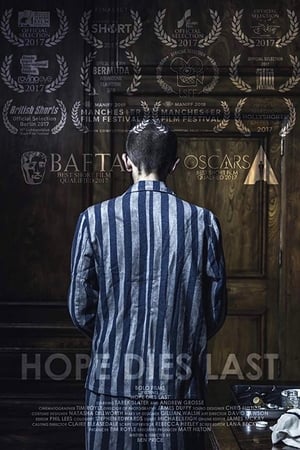
A sickly scrawny man in a striped uniform takes a shaving brush and foam, and with a sharp blade, he shaves the back of the head of Rudolf Höss, the commandant of the Auschwitz camp himself. They will never speak with one another, and Joseph (we only learn his name during the credits) will never harm Höss, will not stop the flood of horrible murders with yet another murder. This short sketch about life of a death camp makes us feel pain and grief of millions of people who had passed beyond the walls of the shaving room during the imprisonment of Joseph, the man who outlived his torturer.
During the Nazi occupation of 1944 Rome, Resistance leader Giorgio Manfredi is pursued by the Nazis as he seeks refuge and a means of escape.
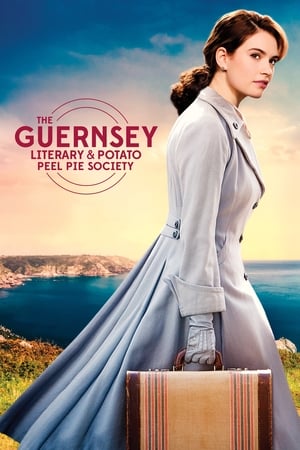
Free-spirited writer Juliet Ashton forms a life-changing bond with the delightful and eccentric Guernsey Literary and Potato Peel Pie Society, when she decides to write about the book club they formed during the occupation of Guernsey in WWII.
At the turn of the century, Lodz, Poland, was a quick-paced manufacturing center for textiles, replete with cutthroat industrialists and unsafe working conditions. Three young friends, a Pole, a Jew, and a German, pool their money together to build a factory.
An innovative and charismatic influencer is suddenly exiled from her community of creative partners and colleagues when she states an opinion that she did not know was “unacceptable” in their eyes.
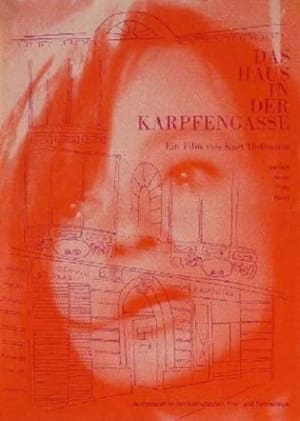
The film depicts the fate of the residents of an apartment block in Prague’s Jewish quarter following the invasion by German troops in 1939. Among them is an elderly widow who had once disowned her son and now wishes to bring him to Brazil; there are also the owners of a stationery shop, who are driven to ruin by the German occupiers. The caretaker Glaser, who is of German descent, also comes under pressure when his son is arrested in a communist pub. To save his own skin, he informs on two young people who are active in the resistance.
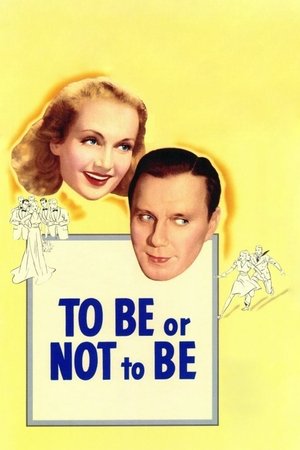
During the Nazi occupation of Poland, an acting troupe becomes embroiled in a Polish soldier's efforts to track down a German spy.
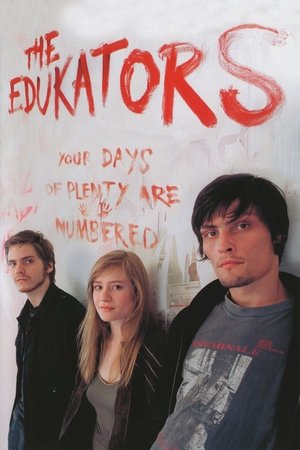
Three activists cobble together a kidnapping plot after they encounter a businessman in his home.
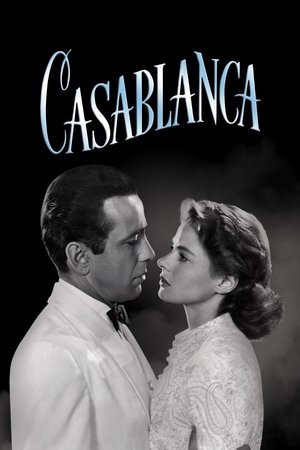
In Casablanca, Morocco in December 1941, a cynical American expatriate meets a former lover, with unforeseen complications.
Matti and Niila, growing up in the mid-sixties in the harsh and conservative environment of a Finnish-speaking part of Tornedalen in Swedish Laponia, close to the Finnish border. Their big dream is to become rock stars. In the present the now grown-up Matti feels guilt for the death of his drug-addicted rock star friend Niila.
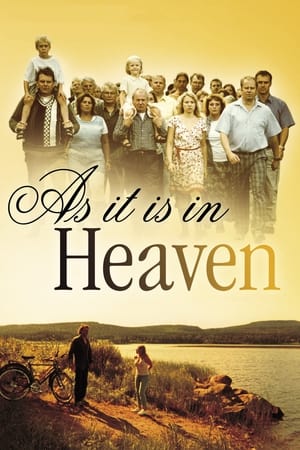
A musical romantic tragedy about a famous composer who moves back to his small hometown after having had heart troubles. His search for a simple everyday life leads him into teaching the local church choir, which is not easily accepted by the town yet the choir builds a great love for their teacher.
A community in Zion Creek, Utah, is turned upside down when a popular high school girl disappears in the midst of her father's political campaign.
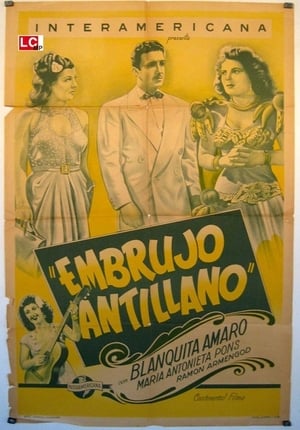
Power struggles among the owners of a cigar factory;meanwhile, a society babe and a factory girl compete over the youngest of the executives.
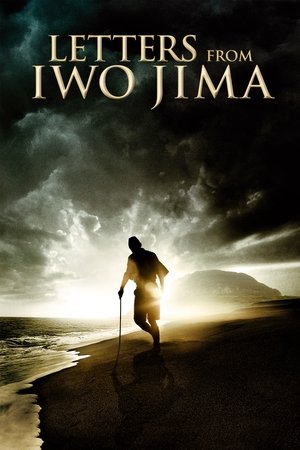
The story of the battle of Iwo Jima between the United States and Imperial Japan during World War II, as told from the perspective of the Japanese who fought it.
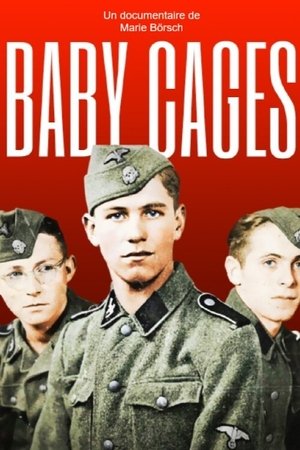
After WWII had ended, it was realized by the American Allies that there were children whom Hitler trained to be soldiers between the ages of 9-17. They were the "Hitler Youth". As the adult German soldiers were taken as prisoners of war, so were the children. These boys were taken to France and reeducated by being taught democracy and treated better than the adult POWs. This story recounted by a former "baby cage" prisoner at the age of 92.
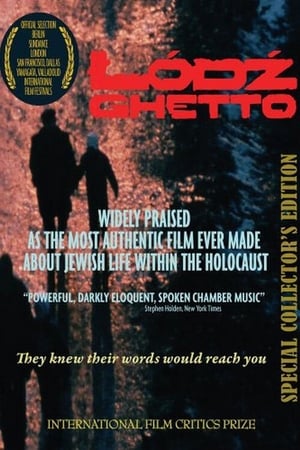
The Polish city of Łódź was under Nazi occupation for nearly the entirety of WWII. The segregation of the Jewish population into the ghetto, and the subsequent horrors are vividly chronicled via newsreels and photographs. The narration is taken almost entirely from journals and diaries of those who lived–and died–through the course of the occupation, with the number of different narrators diminishing as the film progresses, symbolic of the death of each narrator.
Lost at war, two soldiers struggle to find their moral grounding before their ultimate demise.