The film documents the old Rio de Janeiro and its great focus of diseases. Stresses the decisive importance of Oswaldo Cruz who creates Experimental Medicine in Brazil, believing that without sanitation, no undertaking could succeed. Rodrigues Alves then started the urbanization of Rio, against great interests.
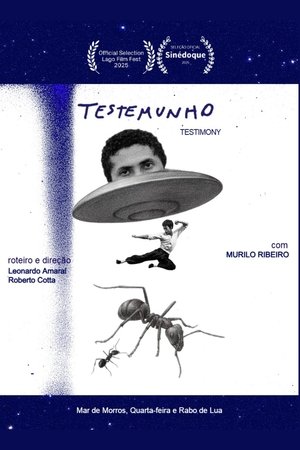
Testemunho
Garotas em Ponto de Venda
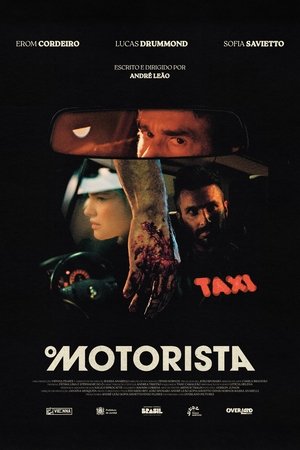
In a city gripped by fear, a criminal roams free — while Antônio, a quiet ride-share driver trapped in the monotony of his own existence, begins to question the meaning of his life. One night, a mysterious passenger enters his car… leading him down a dark and unpredictable road.
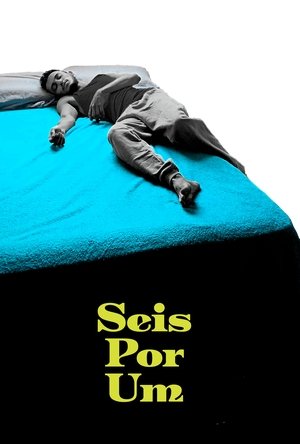
In a Brazil measured 6×1, Girassóis follows the daily life of Zé, an elderly Black man who is still forced to work. Portraying the harsh reality that burdens Brazilian workers, the story reflects on the challenges of labor—from the daily grind to its impact on family relationships and the fading hopes for a hostile future. Loosely based on true events.
O Que Fica de Quem Vai
Recaída
Seis Por Um
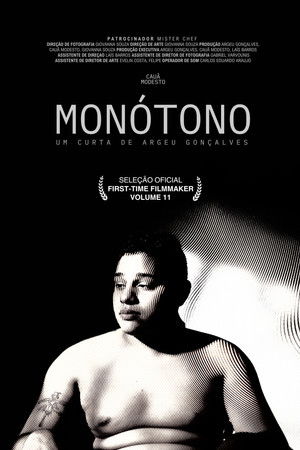
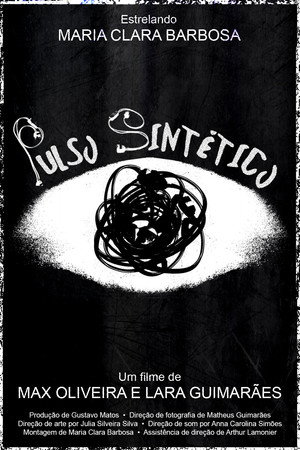
Monótono
A short film about rupture — about someone who defies the system and reclaims her life. The narrative portrays the everyday oppression of late capitalism, exploring the emotional and physical exhaustion of Alana, who finds refuge and the courage to change in Carol, her girlfriend.
Corre dobrado
Sem Tempo, Irmão
As a poster boy for hedonism, his whole life was one big party. A journalist, filmmaker, director, producer, actor, novelist, ladies' man and prolific father... Roger Vladimir Plémiannikov, a.k.a. Roger Vadim, tried everything until his death in 2000. Portrait of a man at the cutting edge of fashion and trends.
This documentary traces the dramatically different ways in which Jesus has been represented in art throughout history and around the world. Narrated by Mel Gibson, Ricardo Montalban, Bill Moyers, Edward Herrmann, Patricia Neal and others, the program utilizes the latest digital technology and motion control photography to reconstruct and relocate works into their original locations. Amazing digital morphing sequences dramatically illustrate how the image of Jesus has changed over time while unique special effects virtually reconstruct art that has been destroyed or lost forever. A sweeping and visually riveting lesson in art history, The Face: Jesus In Art is a documentary of stunning beauty and unprecedented innovation.
There are endless gruesome ways that the world could end; through nasty, natural disasters or because of some man-made abomination. From maniac killer robots and super volcanoes, to an alien invasion and mutant psycho humans, all options are covered in Ten Ways the World Will End.
It's been 20 years since an Australian film has reached number one at the yearly Box Office and our films have consistently grossed under 5% for the years. So what can we do to make a change?
Various actors, presenters, directors and other staff who have worked at the iconic BBC Television Centre at Shepherd's Bush in London reminisce about their time there.
'Ama Lur' is a documentary, directed by Nestor Basterretxea and Fernando Larruquert, that premiered in San Sebastián in 1968, and it is considered the foundation of Basque cinema.
In 1967, de Andrade was invited by the Italian company Olivetti to produce a documentary on the new Brazilian capital city of Brasília. Constructed during the latter half of the 1950s and founded in 1960, the city was part of an effort to populate Brazil’s vast interior region and was to be the embodiment of democratic urban planning, free from the class divisions and inequalities that characterize so many metropolises. Unsurprisingly, Brasília, Contradições de uma Cidade Nova (Brasília, Contradictions of a New City, 1968) revealed Brasília to be utopic only for the wealthy, replicating the same social problems present in every Brazilian city. (Senses of Cinema)
"Oil Rocks" - behind the enigmatic name lies the first and largest offshore oil-platform ever built, a vast city in the middle of the Caspian Sea, built by Stalin in 1949. 60 years on, "Oil Rocks" is still operational and the first western film crew ever receives access. Just imagine: 200 kilometers of bridges, thousands of oil workers, hundreds of platforms, up to nine-story buildings, a park and sports field, nothing less then an oil-rig Atlantis, only real. Combining archive footage from the Soviet era and the exclusive new footage, the film tells the story of this timeless place and it's inhabitants.