During the last forty years, the photographer Sebastião Salgado has been travelling through the continents, in the footsteps of an ever-changing humanity. He has witnessed the major events of our recent history: international conflicts, starvations and exodus… He is now embarking on the discovery of pristine territories, of the wild fauna and flora, of grandiose landscapes: a huge photographic project which is a tribute to the planet's beauty. Salgado's life and work are revealed to us by his son, Juliano, who went with him during his last journeys, and by Wim Wenders, a photographer himself.
The sinking of the Titanic sent shockwaves around the world and started debates that continue to this day. But new, explosive evidence from the most unlikely of sources may finally lay all arguments to rest and reveal, for the first time, the full story of what possibly doomed the "unsinkable" liner. Join us as we unveil recently discovered and never-before-seen photographs of the super ship that exposes shocking clues that investigators and historians once dismissed but can no longer ignore.
Ultimate air jaws
A documentary about the corrupt health care system in The United States whose main goal is to make profit even if it means losing people’s lives. "The more people you deny health insurance, the more money we make" is the business model for health care providers in America.
The face of stone. About the natural beauty of Ural gemstones, about the unparalleled beauty of pieces and jewellery made by Russian master jewellers. Malachite was used in the furnishing of the lounge room at the Winter Palace in St. Petersburg, which is why it is called the Malachite Room. Also featured are malachite items made using the complex technique of Russian mosaic. This semi-precious stone became widely used by craftsmen after the discovery of huge malachite deposits in the Demidov mines in the Urals.
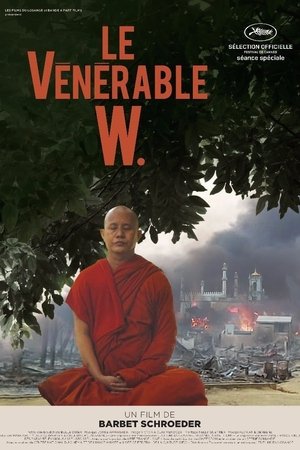
A view of the religious tensions between Muslims and Buddhist through the portrait of the Buddhist monk Ashin Wirathu, leader of anti-Muslim movement in Myanmar.
Behind the glitz of Miss Italia, director Patrizia Mirigliani fights to save the iconic pageant, now wavering amid scandals and changing beauty standards.
NOCH ACHT STUNDEN
Every year, Amazon ships billions of packages around the world. Behind this achievement lies an extraordinary logistics network powered by artificial intelligence.
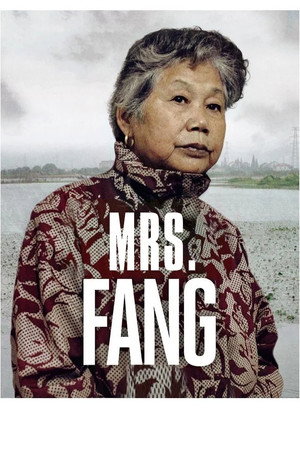
In a quiet village in southern China, Fang Xiuying is sixty-seven years old. Having suffered from Alzheimer's for several years, with advanced symptoms and ineffective treatment, she was sent back home. Now, bedridden, she is surrounded by her relatives and neighbors, as they witness and accompany her through her last days.
This anthology film, whose Chinese title begins with a romantic name for human excrement, premiered internationally at Rotterdam and won Best Screenplay from the Hong Kong Film Critics Society. A variety of Hong Kong people wrestle with nostalgia when facing an uncertain future. Their stories give way to a documentary featuring a young barista turned political candidate.
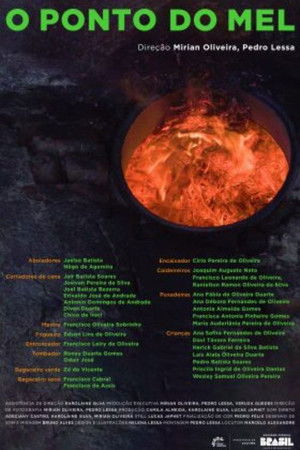
In this short film, we follow the life cycle and transformation of sugarcane from harvesting, through the milling and boiling process, culminating in the production of the molasses stage. The film focuses on the historical character and community life in a rural area of the high hinterland of Paraíba. It is a record of the knowledge of the workers at the Silva sugar mill through sound experiments and comedic interludes.
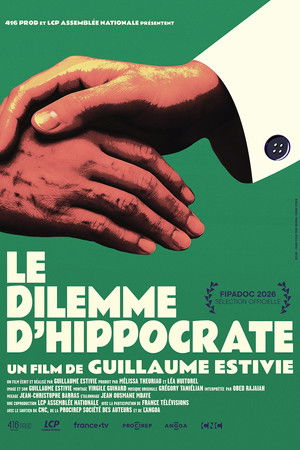
Le Dilemme d'Hippocrate
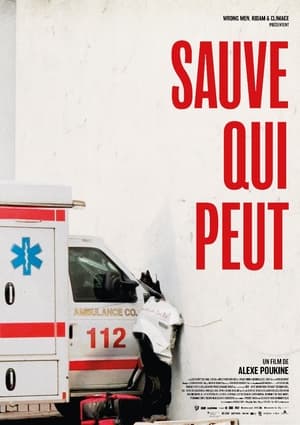
In the CHUV training center in Lausanne, ‘fake’ patients and ‘real’ carers simulate medical consultations, to learn how to perform kindness. But in an increasingly liberal hospital system, which itself exerts violence on medical staff, is this relational ideal really possible?
Edgar Morin, chronique d'un regard
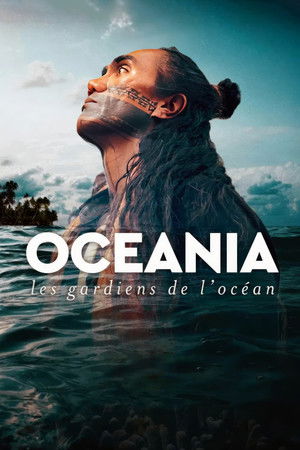
Océania, les gardiens de l'océan
Chine, la fabrique d'une nation
The film consists of video tapes made by the filmmaker’s father documenting daily scenes of family life, family celebrations, and holidays over the course of fifteen years. The tapes are a mixture of the personal and the political – the father was politically engaged in the revolutionary movement that brought Hugo Chávez to power. The family’s life becomes a backdrop for political and economic developments in Venezuela and their impact on the lives of ordinary citizens.
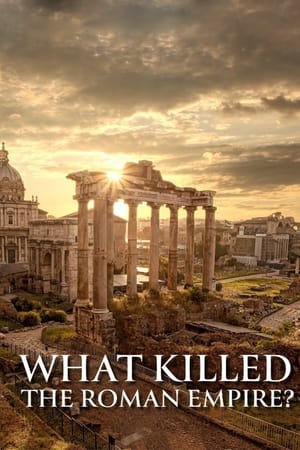
Why did the Roman Empire, which dominated Europe and the Mediterranean for five centuries, inexorably weaken until it disappeared? Archaeologists, specialists in ancient pathologies and climate historians are now accumulating clues converging on the same factors: a powerful cooling and pandemics. A disease, whose symptoms described by the Greek physician Galen are reminiscent of those of smallpox, struck Rome in 167, soon devastating its army. At the same time, a sudden climatic disorder that was underway as far as Eurasia caused agricultural yields to plummet and led to the westward migration of the Huns. Plagued by economic and military difficulties, attacked from all sides by barbarian tribes, the Roman edifice gradually cracked.
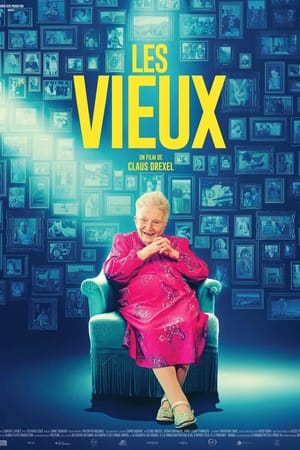
They come from all walks of life and have lived for almost a century. They have lived through the upheavals of history. They are funny, moving and rebellious. They surprise and amaze us. Yet we rarely hear their voices. This film is an invitation to travel across France and meet them: the Old People.