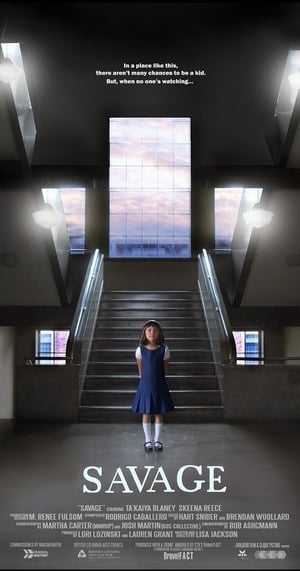
On a summer day in the 1950s, a native girl watches the countryside go by from the backseat of a car. A woman at her kitchen table sings a lullaby in her Cree language. When the girl arrives at her destination, she undergoes a transformation that will turn the woman’s gentle voice into a howl of anger and pain.
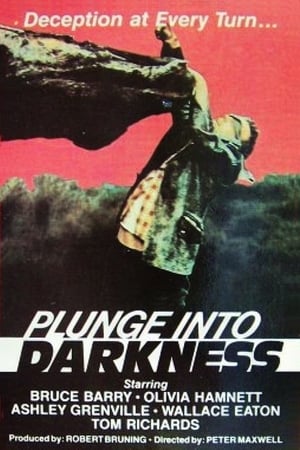
An ex-pro athlete runner and his wife find a strange boy in the middle of nowhere along with a murdered couple. He runs to a nearby town for help while she keeps the boy company. Meanwhile, escaped convicts are heading to their location.
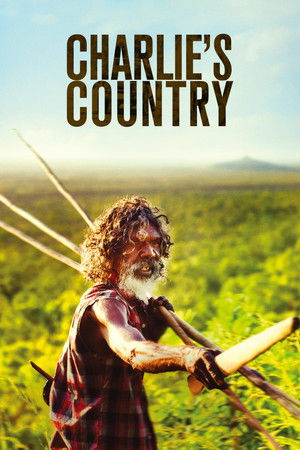
Blackfella Charlie is getting older, and he's out of sorts. The intervention is making life more difficult on his remote community, what with the proper policing of whitefella laws that don't generally make much sense, and Charlie's kin and ken seeming more interested in going along with things than doing anything about it. So Charlie takes off, to live the old way, but in doing so sets off a chain of events in his life that has him return to his community chastened, and somewhat the wiser.
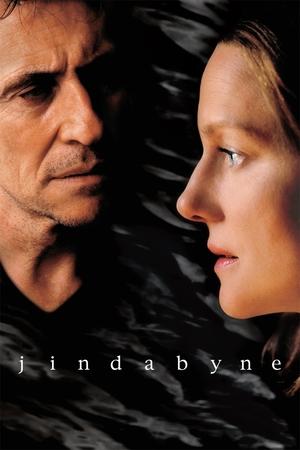
Outside the Australian town of Jindabyne, local man Stuart Kane is on a fishing trip with friends when they discover the body of a murdered girl.
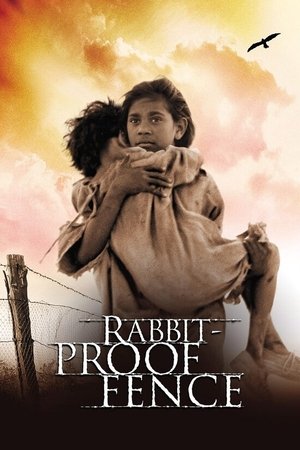
In 1931, three Aboriginal girls escape after being plucked from their homes to be trained as domestic staff, and set off on a trek across the Outback.
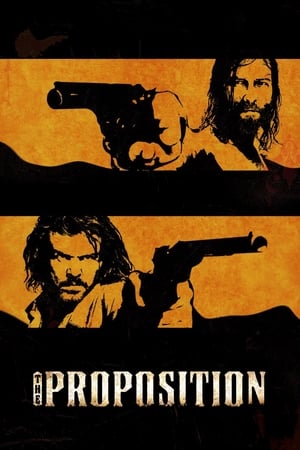
In 1880s Australia, a lawman offers renegade Charlie Burns a difficult choice. In order to save his younger brother from the gallows, Charlie must hunt down and kill his older brother, who is wanted for rape and murder. Venturing into one of the Outback's most inhospitable regions, Charlie faces a terrible moral dilemma that can end only in violence.
Two young women are raped on their way home. The story follows the lives of both women and the different ways they deal with the crime.
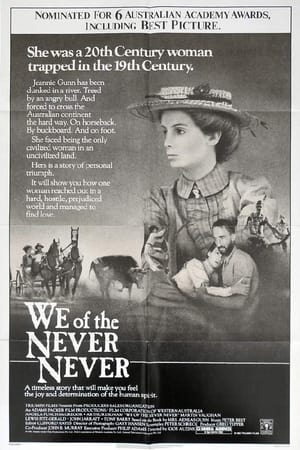
Based on the well-loved Australian classic by Mrs. Aeneas Gunn, this is the remarkable true story of Jeannie Gunn, a woman who fought to overcome sexual and racial prejudice amid the harsh beauties of the outback. Leaving her Melbourne existence for a new life on her husband's isolated ranch, Jeannie's feisty, good-natured attitude soon wins over the misogynistic stockmen, but she faces a much tougher challenge in trying to change their racist attitudes towards the indigenous aboriginal population.
A story of a Moscow's apartment building that is slowly falling apart, literally. First, the hot water has been cut off by an old man from Asia, who could not stand it being wasted. Then the roof is starting to collapse. Finally, the electricity has been cut off. All the tenants of the building, no matter how different they were, find themselves in the same situation.
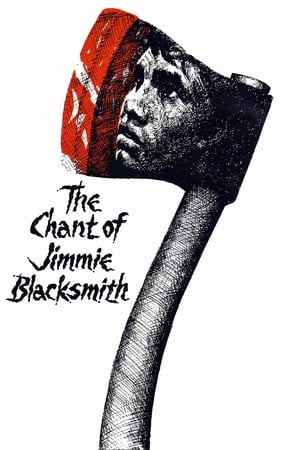
The true story of a part Aboriginal man who finds the pressure of adapting to white culture intolerable, and as a result snaps in a violent and horrific manner.
A Sydney lawyer defends five Aboriginal people in a ritualised taboo murder and in the process learns disturbing truths about himself and premonitions.
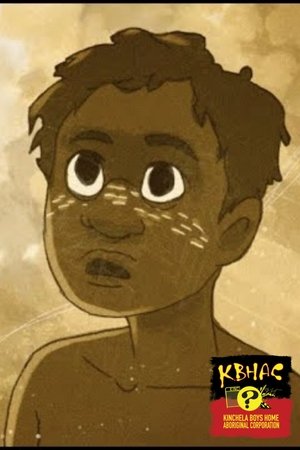
Between 1924 to 1970, Kinchela Boys Home in Kempsey, New South Wales, saw an estimated 400 to 600 Aboriginal children exposed to routine acts of cultural genocide and remains one of Australia’s most notorious institutions of the Stolen Generations. After being stolen from their families, country, and community, children were stripped of their names, given numbers, and subjected to ‘reprogramming’ and strict regimes of manual labour. We Were Just Little Boys is narrated by KBH survivors.
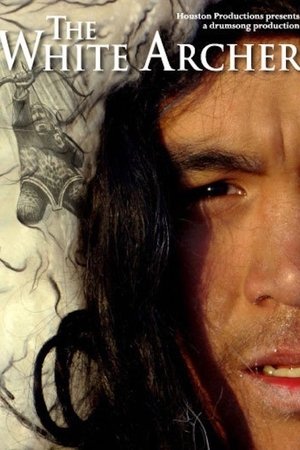
An Inuit youth trains to become a great archer in hopes of avenging the killing of his family – but the First Nations attackers were punishing a previous Inuit wrongdoing. Who will end the cycle of violence? THE WHITE ARCHER is an Inuit legend inspired the late James Houston’s beloved children’s book. In Canada’s High Arctic hamlet of Pond Inlet, his son John weaves outdoor adventure and local theatre into a story for all ages.
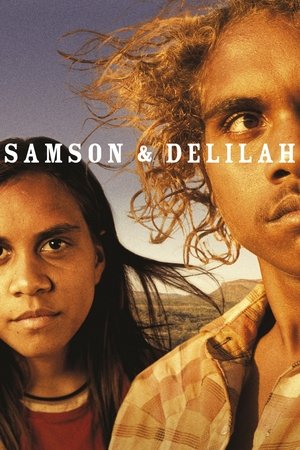
Samson, a cheeky 15-year-old boy, and Delilah, live in an isolated Aboriginal community in the Central Australian desert. The two teenagers soon discover that life outside the community can be cruel. Lost, unwanted and alone they discover that life isn’t always fair, but love never judges.
"Home for the Holidays" is the third stand-alone two hour Christmas special of the "Murdoch Mysteries" that first aired on December 18, 2017 on CBC, followed by a second airing on December 25, 2017 in Canada. Murdoch and Ogden travel to Victoria, B.C. to visit Murdoch’s brother, RCMP officer Jasper Linney. There, they investigate a murder connected to an archaeologist Megan Byrne who has uncovered an ancient Indigenous settlement, leading to a trek through the rugged beauty of British Columbia and encounters with the Songhees and Haida nations. Meanwhile, the Brackenreids are offered a surefire investment opportunity that may not be all it seems. At the Station House, Crabtree and Higgins prepare for a ski-chalet holiday in Vermont with their girlfriends Nina and Ruth, but learn it may be more dangerous than expected.
Explores the sensitive, and tense, relationship between life on an First Nations reservation and life in the outside world. When Native Canadian Silas Crow is forced to write a personal essay in order to get a much-desired job, he tells the story of the rape and murder of an Indian girl by a drunken thug. When the killer received a lenient two-year sentence for manslaughter, the First Nations community felt shock and anger—and tried desperately to deal with the after-effects of this lack of justice.
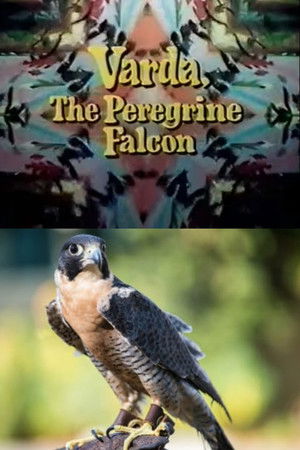
A Seminole Indian captures a falcon on its yearly migration, but it yearns to be free.
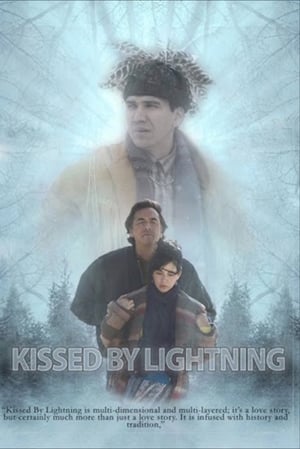
Mavis Dogblood is a Mohawk painter from Canada haunted by the tragic death of her husband, who was hit by lightning. She paints the stories he used to tell her, but she can’t come to grips with her loss. It is only after she drives to New York City for an art opening, traveling across what were her ancestors’ tribal lands, that Mavis reconciles herself to her new life.
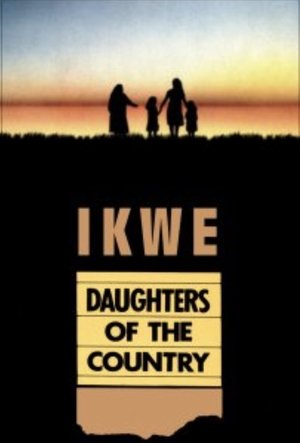
A young Ojibwa girl from 1770 marries a Scottish fur trader and leaves home for the shores of Georgian Bay. Although the union is beneficial for her tribe, it results in hardship and isolation for Ikwe. Values and customs clash until, finally, the events of a dream Ikwe once had unfold with tragic clarity.
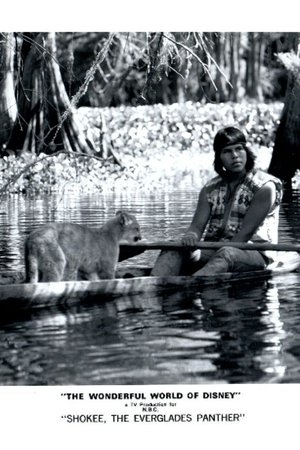
A Seminole boy spending the summer alone in the Everglades as a rite of passage helps a lost panther cub survive, but the village does not welcome him when he follows the boy home. The boy has to steal an airboat to take the panther deep into the swamp.