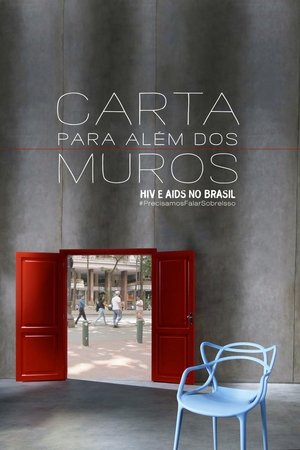
Letter Beyond the Walls reconstructs the trajectory of HIV and AIDS with a focus on Brazil, through interviews with doctors, activists, patients and other actors, in addition to extensive archival material. From the initial panic to awareness campaigns, passing through the stigma imposed on people living with HIV, the documentary shows how society faced this epidemic in its deadliest phase over more than two decades. With this historical approach as its base, the film looks at the way HIV is viewed in today's society, revealing a picture of persistent misinformation and prejudice, which especially affects Brazil’s most historically vulnerable populations.
The Hundred Squares: "No more delays," the cry of citizens echoes from the lives of those barely holding out against discrimination and hatred. Struggling with diverse identities in their daily lives, citizens reflect on the meaning of "discrimination" through their own experiences and testimonies. They question and reflect on what is needed to eliminate it and speak out before the camera. The Blooming Equalities: discrimination law that has been on hold for 20 years. A lawyer, a researcher, a religious figure, a writer, and an activist stand in the square again after a year, and, in this time of rampant right-wing extremism and hate, they speak of an anti-discrimination law as "the right answer to ending the insurrection, the last line of defense for human dignity, a current that can no longer be held back, a square that cannot at all harm families, churches, and the nation, and a place where the voices of the less fortunate can be heard."
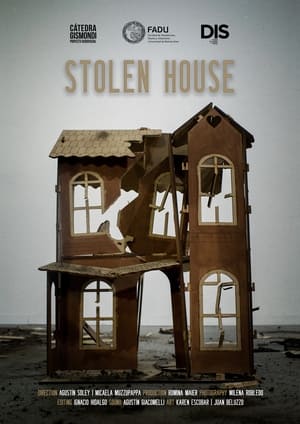
"Stolen House" is a documentary short film that follows the migration story of Mark, a Russian photographer, and Katya, a Ukrainian artist, to Argentina. Through narrations, staged scenes, and archival material, fragments of their lives, feelings, and motivations are explored.
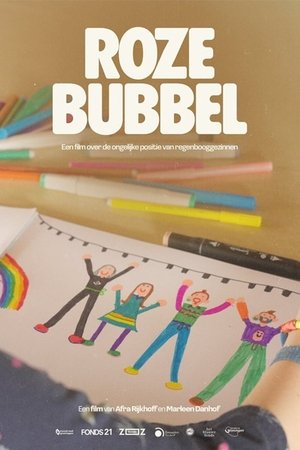
Two mothers lovingly raised Afra. Growing up felt like a safe pink bubble to her. But this bubble burst when she discovered the obstacles her parents had to overcome to have a child. For example, one mother did not exist legally for 12 years, and 30 years later this is still the reality for multi-parent families. When Afra heard this, she became determined to tell the story of these families. This documentary shows what happens to you when you fall outside the 'standard' picture of a family. In the film we follow Afra, and her two mothers, two multi-parent families, the experts Henny Bos (professor of Sexual and Gender Diversity in Youth), Sara Coster (board member Meer dan Gewenst and child wish coach) and former D66 member of parliament Lisa van Ginneken.
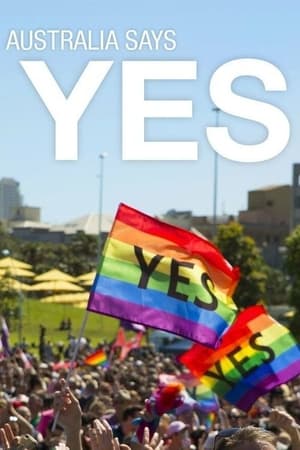
Packed with drama, high emotions and cliff-hanger moments, Australia Says Yes is the intimate and personal history of struggle and perseverance that propelled Australia to say Yes to marriage equality. The film shows how a group of determined individuals fought tirelessly against unjust laws that treated LGBTIQ people as second-class citizens, creating a movement that saw them go from criminals to legally equal over the course of five decades.
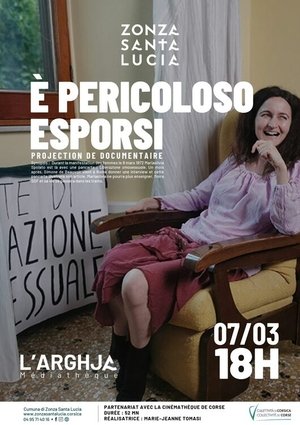
During the women's demonstration on March 8, 1972, Mariasilvia SPOLATO was there with a placard: Liberazione omosessuale. A month later, Simone de Beauvoir came to Rome to give an interview, and this placard illustrated her article. Mariasilvia could no longer teach, ended up homeless and spent her life on the trains.
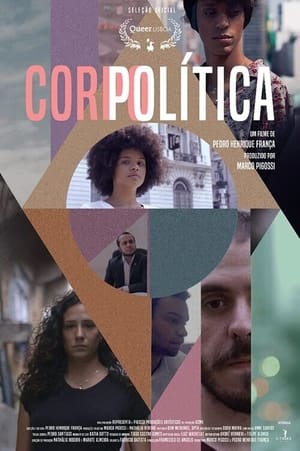
At a time when the far right is ascending to power around the world, the 2020 Brazilian municipal elections saw a surprising and unprecedented record of LGBT candidates. This film follows four young queer politicians during their electoral campaigns and reveals their struggle to affirm their rights to exist and be heard.
Adrianna, a young DJ artist and activist in the queer community, has learned to evolve in a world that is sometimes too stifling for her. By creating her own family and learning trades in which she can use all her creativity, Adrianna is spreading her wings.
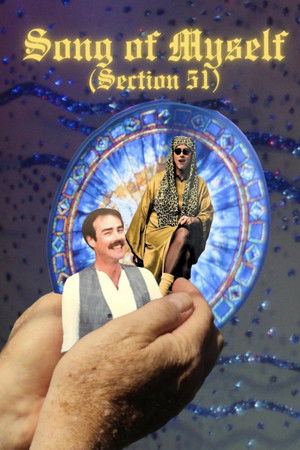
In Song of Myself (Section 51) we meet Thomas Michael Smith- a retired social worker, sign language interpreter, openly gay deacon in the Catholic church, and part time drag queen. Over a tour of his space, he shares what life containing multitudes looks like for him.
One morning, Leonardo Galicia wakes up with a dull pain and an intense fever. After a pandemic experience that made him aware of his mortality, the last thing Leonardo expected was an HIV-reactive result. The illness caused by the virus takes hold of Leonardo's body and forces him to take an indefinite break while recovering in a hospital. There, he meets a mysterious young man, Augusto. By sharing common thoughts, hopes, and dreams, the two will find refuge in each other's arms.
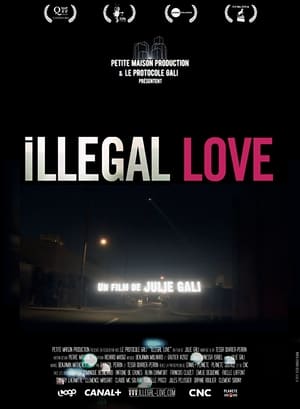
In 2008 French filmmaker Julie Gali traveled to the US to film the election of Barack Obama. In spite of this victory for civil rights, it soon became apparent that the rights of another minority were under threat. In California the passing of Proposition 8 marked the only time in U.S. history that a civil right was actually taken away after it had been granted. Upon seeing this, Ms. Gali decided to immerse herself in the growing grassroots struggle of the gay community, which culminated in the October 11, 2009 March for Equality in Washington DC.
The documentary features the journey of the Voltrans initiative, a solidarity platform for trans men in Turkey.
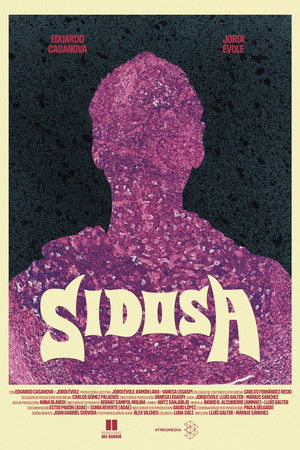
In 'Sidosa', the director and actor Eduardo Casanova makes the most intimate and significant revelation of his life: he has HIV. There is no precedent in Spain for a public figure to disclose that he is living with HIV — a step that organizations and activists have been calling for for years to help end the social stigma still associated with the virus.
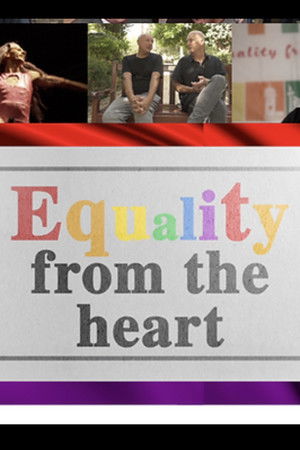
'Equality from the Heart' captures the narratives of various LGBTIQ individuals in Malta, shedding a light on the lived lives of our community throughout the 20th Century, during a time when our identities were considered a taboo, as it reflects on the progress this country has made and looks to the future with optimism.
Interweaving lives of LGBT personalities compose this documentary about the struggles and hopes of a queer community living in the country’s premiere city.
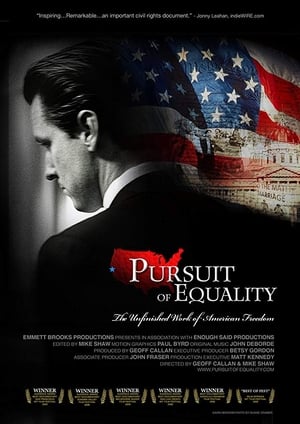
By issuing marriage licenses to same gender couples, San Francisco Mayor Gavin Newsom uproots the status quo and attempts to change the way the nation looks at life, love, and marriage.
The documentary focuses on the story of QueerFest, the first and only LGBTI+ film festival in Turkey, which has been organized in Ankara since 2011. Through interviews with the founders of QueerFest, volunteers and staff who have contributed to the festival, the 14-year journey of the festival and the culture and arts landscape shaped by Turkey's political climate are told. QueerFest's self-organizational connection with the Pink Life Association, its connection with the “lubunya” (queer community) of Ankara and the cultural capital it inherited from there, is transformed into a powerful political voice by developing the practice of mobilizing through art. Since 2017, the festival has continued its resistance against the bans and heavy censorship obstacles every year and opens a space for many queer people living in Turkey who are interested in the field of culture and art and want to produce in this sphere.
In the first person, a documentary that shows us the experience of Vida Rodriguez, formerly Inocente Duke, in situations that the Trans Law favors: what happens when entering a sauna, locker room, or a public service (even in the Congress of Deputies). An experience that, with respect and large doses of humor, brings us face to face with a law and its difficulties in its implementation.
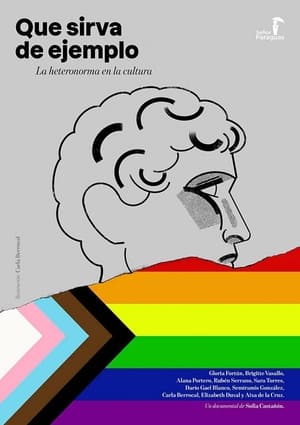
What is heteronormativity, what does it mean for men and women, what is the cultural canon, does culture reflect or does culture construct? We reflect on all this by putting in dialogue ten people who, from different fields of culture, have thought about this.
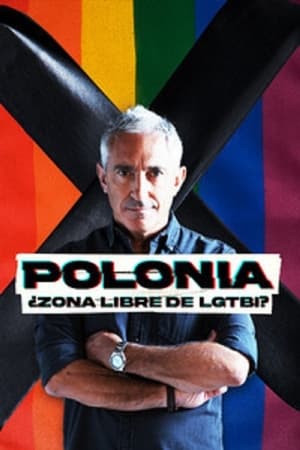
Jon Sistiaga takes an immersive trip to Poland, a country divided into two zones: on the one hand, the urban and pro-European, and on the other, the rural and ultra-Catholic, still anchored in the traumas of the war and the post-war period. Is Poland a homophobic country or does it have a homophobic government? How does the European Union allow this situation?