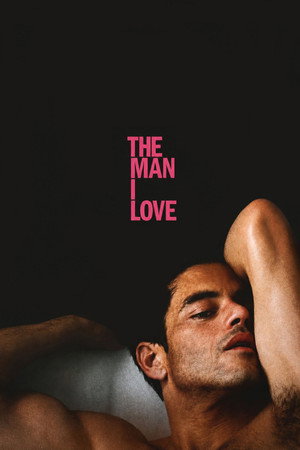
In late 1980s New York, a theater artist living with AIDS takes on one possibly last great role.
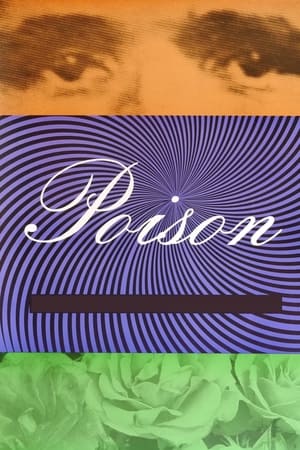
A trio of interweaved transgressive tales, telling a bizarre stories of suburban patricide and a miraculous flight from justice, a mad sex experiment which unleashes a disfiguring plague, and the obsessive sexual relationship between two prison inmates.
In 1983 Finland, a sidelined dermatologist ends up leading the country's fight against the AIDS epidemic when fear of the spread of the disease and its effects on patients puts his morale and family relationships to the test.
As an unknown and deadly disease begins to spread, legend has it that it is transmitted between two men, through a simple glance, when they fall in love. While people are accusing her family, Lidia must find out whether this myth is real or not.
Andy’s friends confront both their own mortality and the deadly new disease stalking their community, while his conservative family grapples with never having come to terms with his sexuality.
Young Musa is orphaned after a mysterious illness strikes his village in KwaZulu Natal. To help his grandmother, Musa sets out for Johannesburg with his father's last gift, a tribal drum, in search of work and his uncle. The journey confronts him with the stark realities of urban life, but his indomitable spirit never wavers; he returns with a truth and understanding his elders have failed to grasp.
Ninon is a spirited hotel-manager who teaches self-defense classes to her terrified eldery neighbors. Daiga, an aspiring Lithuanian actress newly arrived to Paris, becomes fascinated with the life of a mysteriously beautiful drag performer.
Inspired by a true story of best friends (Dayne and Lance) who mysteriously lose touch, then reunite when Dayne discovers that Lance is dying of AIDS. A journey ensues as spiritual enlightenment unfolds through sea, sand and nature, embracing acceptance of the inevitable death of his best friend and the rising of consciousness. A Long Road to Tao will encourage audiences to reach a depth of becoming water, facing fears and accepting the flow of love as love.
A reality in which the definitive cure for HIV-AIDS has been found. The government, through the media, makes the announcement official and with it begins protocolization campaigns for HIV-AIDS immunity. But what about people who are already infected?
Walter is HIV positive and is leading a promiscuis life in Rome. He does this so that he won’t infect his wife. Walter’s wife is also cheating on him. In a decidedly dull subplot, Walter’s father is a senator who wants to use his son’s illness to promote his own political career by calling for more AIDS research.
Nick, a gay, HIV-positive architect, begins to display severe symptoms of AIDS and makes preparations to kill himself before he is unable to function normally. He arranges a party to reconnect and say goodbye to his closest friends and his confused parents. But when his ex-partner, Brandon, a television director who left Nick when he was diagnosed with HIV, shows up, what was supposed to be a celebratory event becomes much more difficult for everyone.
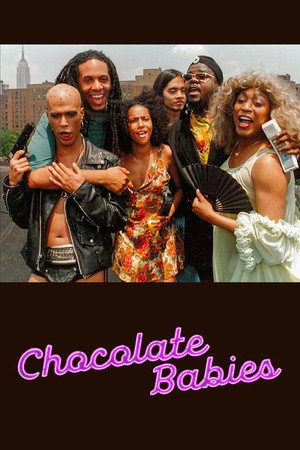
Through a campaign of fabulous surprise attacks, an underground band of radical queer HIV+ activists, addicts, and drag queens take to the streets of New York City to combat conservative politicians and government apathy towards the AIDS crisis.
When a young dancer moves to San Francisco in the early 1980s, signs of a sickness test his relationships, as well as his lifelong dream in this strikingly photographed and stirring portrait.
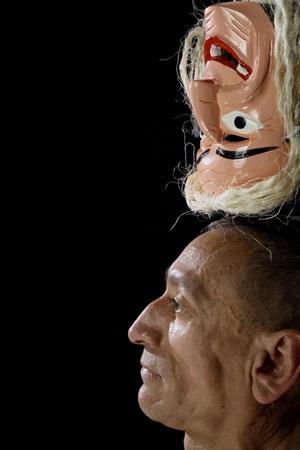
Ananias, a San Francisco Bay Area artist and immigrant, performs the folkloric Danza de los Viejitos (the Dance of the Old Men). Originally from Michoacán, Mexico, where the dance originates, Ananias interprets its movements through the lens of his spirituality, his long-term HIV-related disabilities, and his search for a place in the world.
This early HIV/AIDS film uses the popular and compelling narrative format of the telenovela to illuminate the effects of AIDS on a cross-section ofthe Latino community in Northern California. Different families and individual characters address complex issues such as sexual practice, sexual identity, and drug use in the family. Touches upon safer sex, male homosexuality and bisexuality, and does well representing several Spanish-language idioms. Allows for the development of an elaborate story encouraging honesty and cultural survival as well as self-criticism within the Latino community.
Se Met Ko is a model fictional analysis of attitudes and misconceptions about AIDS within a Haitian-American neighbourhood. The video uses indigenous cultural references and socially-specific occasions to demonstrate how communities, with individuals acting in enlightened co-operation, can responsibly respond to the AIDS crisis.
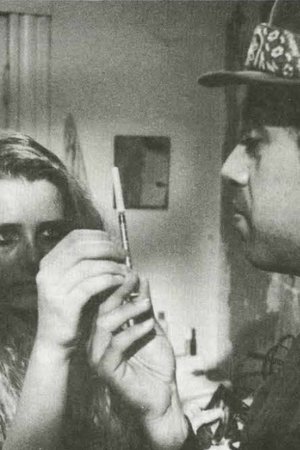
Please Adjust Your Sex is a DIY no-budget videotape by and for young people that encourages viewers to engage in safer sex and safer drug use practices while also encouraging them to embrace their desires and reject the patronizing and moralizing media cacophony bombarding them everyday.
Two strangers meet at a train station on the day of an LGBT march. Their conversation drifts from topic to topic, as they flirt, argue, do small talk, and eventually share their secrets and loves.
מלאכים באמריקה- בנייה מחדש
With frank language and explicit imagery, this video addresses difficult issues such as sex and injection drug use in the age of AIDS. It is non-judgemental in its portrayal of young people acquiring, using, and sharing knowledge about safer sex and needle use. The video was produced by, for, and with "street youth" by the STD Prevention Project of Youthlink—Inner City in Toronto, Canada.