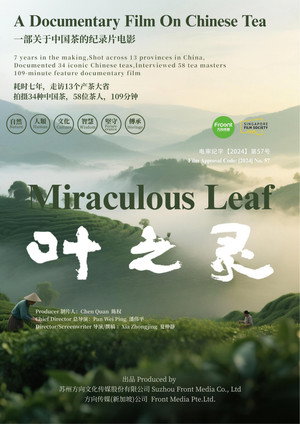
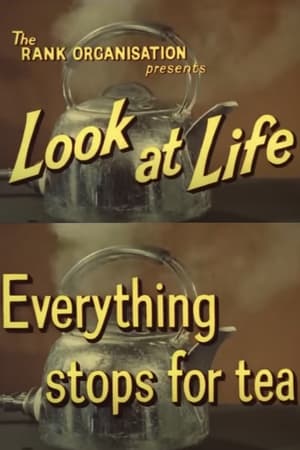
Through the six major categories of Chinese tea, the film traces the historical origins of famous tea-producing regions and explores the lives of generations who have lived with and for tea. It celebrates craftsmanship, explores lesser-known tea-making techniques, and honors the wisdom, dedication, and philosophy of Chinese tea artisans — revealing a deep respect for nature and an unwavering commitment to cultural heritage.
Tea drinkers will benefit from 6 tips for making tea, as well as other handy hints.
Adventurer and journalist Simon Reeve heads to Kenya and Uganda to uncover the stories behind Britain's favourite drink, meeting the people who pick, pack and transport tea.
The original Living Photograph on YouTube. Starring Chris, a teacup, a red lamp and a tasteful, yet mildly uninspired window treatment.
This portait of life on the tea plantations is decidedly rosy – clearly, there are no exploited workers here. However, the film provides an intriguing overview of tea production – from the planting of tea seeds to the final shipping of the precious leaves across the globe.
In Acadie, the only “real” tea is King Cole, blended in New Brunswick for the past 100 years. Traditionally drunk with a spot of Carnation condensed milk, it recalls simpler days when people would take the time to stop and smell… the tea. Infusion is a playful look at this tradition, its many symbols, and the memories it stirs. Some say a cup of tea promotes frank discussion and helps clear up misunderstandings; others swear they can read the future in the leaves left at the bottom. Perhaps there really is something magical about tea…
In the 19th century, China held the monopoly on tea, which was dear and fashionable in the West, and the British Empire exchanged poppies, produced in its Indian colonies and transformed into opium, for Chinese tea. Inundated by the drugs, China was forced to open up its market, and the British consolidated their commercial dominance. In 1839, the Middle Empire introduced prohibition. The Opium War was declared… Great Britain emerged as the winner, but the warning was heeded: it could no longer depend on Chinese tea. The only alternative possible was to produce its own tea. The East India Company therefore entrusted one man with finding the secrets of the precious beverage. His mission was to develop the first plantations in Britain’s Indian colonies. This latter-day James Bond was called Robert Fortune – a botanist. After overcoming innumerable ordeals in the heart of imperial China, he brought back the plants and techniques that gave rise to Darjeeling tea.
A short documentary about the tea drinking culture in the UK and the industry behind it.
A reportage about the tea company of the NILS (the Netherlands Indies Agricultural Syndicate) called Permanangan, on the east coast of Sumatra.
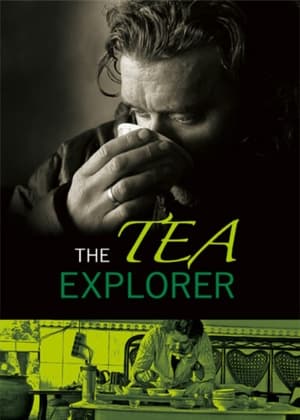
The Tea Explorer documentary follows the journey of tea enthusiast Jeff Fuchs along the Tea Horse Road, a 1300-year-old trade route in the Himalayas. It combines the author's passion for both tea and mountains, tracing the route's history, meeting the people who live along it, and exploring the significance of tea in the region.
A documentary directed by Hori Teiichi who was a production assistant on the 1994 documentary Otentousama ga Hoshii and has worked in a wide variety of genres from pink films to ordinary theatrical releases. The lifestyle and scenery of Osawa, a village situated 740 meters up on the mountainous slopes of Hamamatsu city's northern region in Shizuoka Prefecture, are the focus of this first installment to the "Tenryu-ku" series. It straightforwardly captures the tea harvest in late May and the tea processing conducted in a factory while showcasing mist shrouded tea fields drummed by rain as well as the beauty of the glistening green of the tea leaf shoots.
The rise of Soda Shops in Utah and the culture surrounding them.
Lucas tries the Chai Tea Latte at the Bank House Cafe.
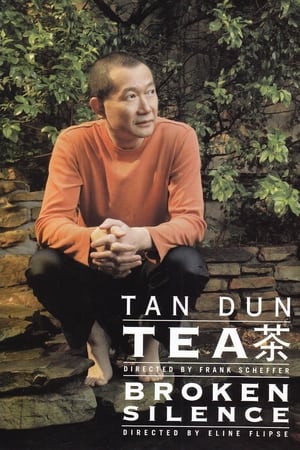
Director Scheffer registered a performance of the Tea Opera by Chinese composer Tan Dun (who won an Oscar in 2001 with his score for Crouching Tiger, Hidden Dragon). Scheffer interlaces the images with interviews with Dun, stage director Pierre Audi and librettist Xu Ying, about the opera and the role tea and oriental philosophy play in this work. Using monochrome, sometimes abstract images (in yellow, blue, red and green), close-ups of plants and flowers and images of the Chinese nature and people (sometimes accelerated or decelerated, sometimes in black-and-white), he mirrors the stylised opera performance and Dun's reflective music.
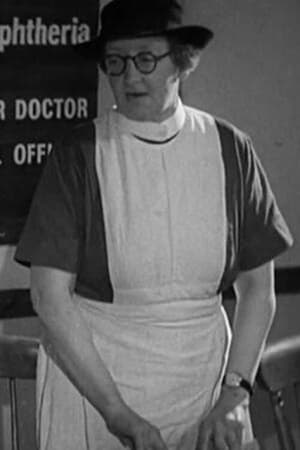
The diary of a typical non-stop working day of a wartime district nurse.
Чайная церемония
Thé mania
A card shark and his unwillingly-enlisted friends need to make a lot of cash quick after losing a sketchy poker match. To do this they decide to pull a heist on a small-time gang who happen to be operating out of the flat next door.
After going through a series of tragic events in his life, martial arts master Huo Yuanjia returns to Tianjin and must fight four international soldiers, in order to safeguard his nation's pride.
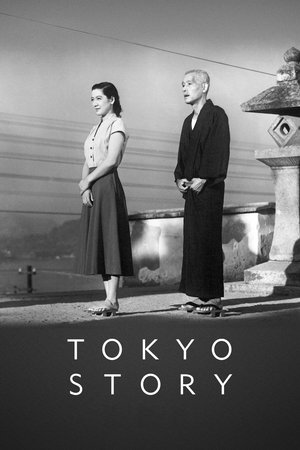
The elderly Shukishi and his wife, Tomi, take the long journey from their small seaside village to visit their adult children in Tokyo. Their elder son, Koichi, a doctor, and their daughter, Shige, a hairdresser, don't have much time to spend with their aged parents, and so it falls to Noriko, the widow of their younger son who was killed in the war, to keep her in-laws company.