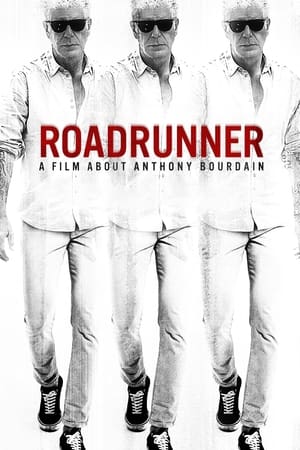
An intimate, behind-the-scenes look at how an anonymous chef became a world-renowned cultural icon. This unflinching look at Anthony Bourdain reverberates with his presence, in his own voice and in the way he indelibly impacted the world around him.
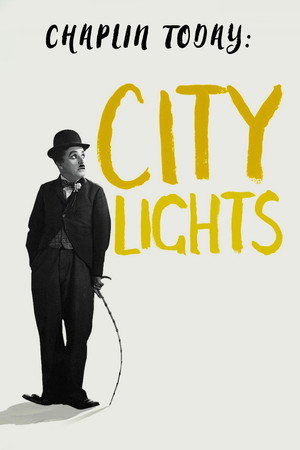
In 1928, as the talkies threw the film industry and film language into turmoil, Chaplin decided that his Tramp character would not be heard. City Lights would not be a talking picture, but it would have a soundtrack. Chaplin personally composed a musical score and sound effects for the picture. With Peter Lord, the famous co-creator of Chicken Run and Wallace & Gromit, we see how Chaplin became the king of slapstick comedy and the superstar of the movies.
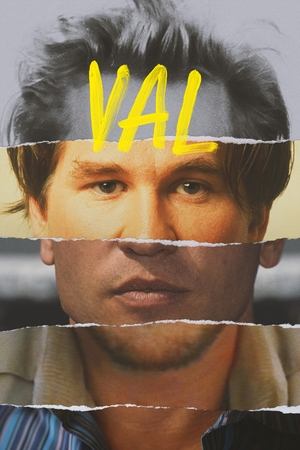
For over 40 years Val Kilmer, one of Hollywood’s most mercurial and/or misunderstood actors has been documenting his own life and craft through film and video. He has amassed thousands of hours of footage, from 16mm home movies made with his brothers, to time spent in iconic roles for blockbuster movies like Top Gun, The Doors, Tombstone, and Batman Forever. This raw, wildly original and unflinching documentary reveals a life lived to extremes and a heart-filled, sometimes hilarious look at what it means to be an artist and a complex man.
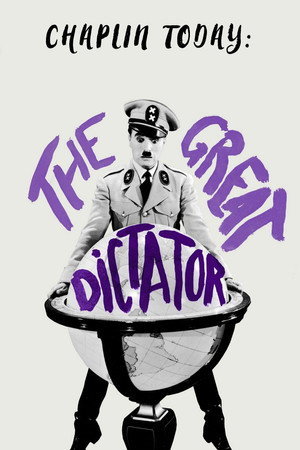
A short documentary about the making of "The Great Dictator."
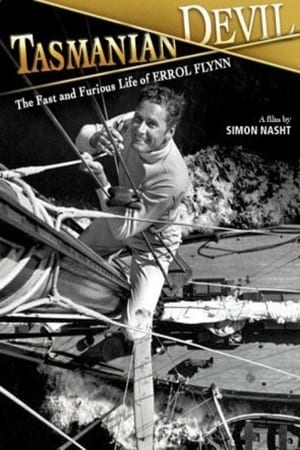
The story of Tasmanian-born actor Errol Flynn whose short & flamboyant life, full of scandals, adventures, loves and excess was largely played out in front of the camera - either making movies or filling the newsreels and gossip magazines. Tragically he was dead from the effects of drugs and alcohol by the time he was only 50 & the myths live on. But there is another side of Flynn that is less well known - his ambitions to be a serious writer and newspaper correspondent, his documentary films and his interest in the Spanish Civil War and Castro's Cuba
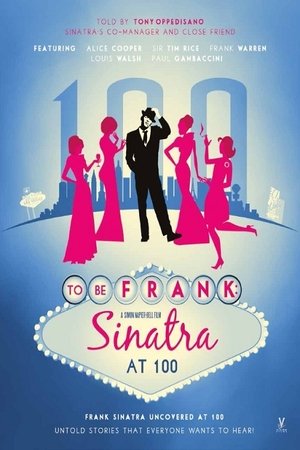
The life of Frank Sinatra, as an actor and singer and the steps along the way that led him to become such an icon.
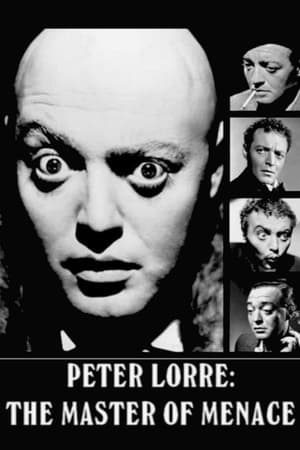
Documentary overview of Peter Lorre's ascension to fame as a master purveyor of silky but disquieting peril.
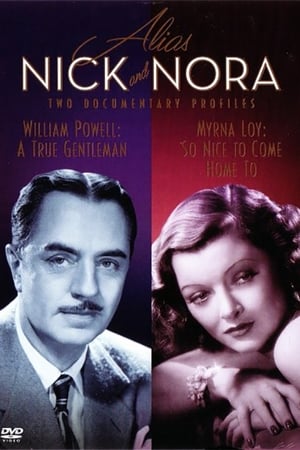
A biography on the life of William Powell narrated by Michael York.
This tribute to Myrna Loy is organized chronologically with a few photographs, many film clips, a handful of personal appearances, and a detailed commentary delivered on camera by Kathleen Turner. Turner walks us through Loy's career as a dancer and an actress miscast as an exotic. She comes into her own as a grown-up women: shrewd, funny, decorous, and sexy - in "Manhattan Melodrama" and "The Thin Man." Her volunteer work during World War II, later stage work, and progressive politics come in for admiration as well. It's her style - seen best in her roles as a wife of charm and independence - that's captured and celebrated here.
How Do You See Me? is a Brazilian documentary feature that entwines both experienced actors and beginners to explore the hardships and the happiness that are inherent to the job when detached from the glam and glitz of the gossip industry, creating a diverse and comprehensive mosaic of what it means to be an actor in Brazil, a country so full of contradictions. The film brings forward a reality that the masses usually don't get to know: the men and women moved by a deep passion for acting and touching people. With Julio Adrião, Matheus Nachtergaele, José Celso Martinez, Cássia Kis, Nanda Costa, Babu Santana, Luciano Vidigal and Letícia Sabatella, among others.
Even big stars need to stand in front of the director and audition for their roles, and some of the best screen tests are from the early years of legends. See some of Hollywood's top names and greatest talents in their very first appearances on celluloid. From Dustin Hoffman's 1966 stock and personality tests to Raquel Welch and James Coburn cavorting for Our Man Flint, from The Three Stooges to Rock Hudson, see stars trying to get on film.
Several high-budget epic films became Omar Sharif (1932-2015) a film star. He was an actor, but also a bridge player, a womanizer, a bon vivant; he was a man full of contradictions, who enjoyed card games more than movies; he was an eternal nomad who spent half his life in a hotel.
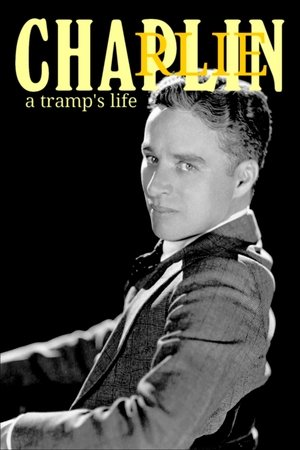
A biographical documentary about the great British actor and director Charlie Chaplin (1889-1977), from rags to riches, from the slums of London to glory.
The filmmaker Juan Pinzás goes on a physical and also inner journey, in search of some lost images that he filmed in the 80s. The journey takes him from Madrid to Galicia and on the search for these images he meets with various characters who will help him in his undertaking, such as the actors Paul Naschy and Javier Gurruchaga whose personal worlds will be examined in the film. Finally in Vigo, his home city, of which he presents a remarkable portrait, he finds an old film in Super-8mm with the missing images. The catharsis is produced with the viewing of the old film which turns out to be a tribute to cinema and this means the end of the filmmaker's introspective journey.
The life of actor Jack Nance, whose rise to prominence after starring in David Lynch's 1977 cult classic Eraserhead led to involvement in various further projects with Lynch.
An exploration of the history of the word throughout its inception to present day. Woven into the narrative are poetry, music, and commentary from celebrities about their personal experiences with the word and their viewpoints. Each perspective is unique, as is each experience... some are much more comfortable with the word than others.
A look at the roller coaster life of Sam J. Jones since his role as Flash Gordon, his struggles and successes, and the aftermath of when he went up against one of the most powerful producers in Hollywood.
Throughout the 1950s, Tab Hunter reigned as Hollywood’s ultimate male heartthrob. But throughout his years of stardom, Tab had a secret. Tab Hunter was gay, and spent his Hollywood years in a precarious closet that repeatedly threatened to implode and destroy him. Tab Hunter himself shares first hand, for the first time, what it was like to be a studio manufactured movie star during the Golden Age of Hollywood and the consequences of being someone totally different from his studio manufactured image.
Makhmalbaf puts an advertisement in the papers calling for an open casting for his next movie. However when hundreds of people show up, he decides to make a movie about the casting and the screen tests of the would-be actors.
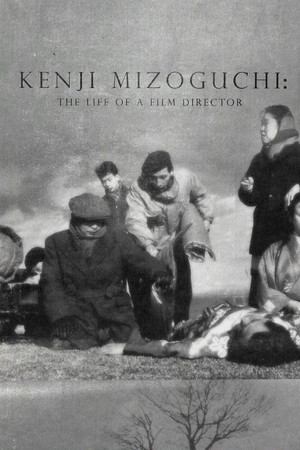
In 39 interviews with actors and actresses, writers, producers and staff members, interspersed with film excerpts and stills, Shindō recounts the life and career of his friend and mentor Mizoguchi.