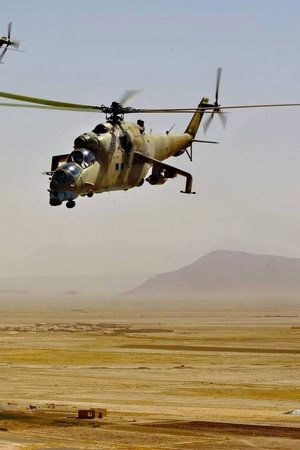
10 years of continuous combat operations in Afghanistan. Around half a million of soviet military men went through this war. more than 14,000 soldiers and officers gave their lives fulfilling the international duty. more than 50 thousand were wounded. the wound inflicted by this war on an entire generation has not healed even 30 years later. there have been many attempts to tell the story of this war. but it is quite another thing to see it through the eyes of commanders. there were seven of them in those ten years. the legendary commanders of the 40th army, a magnificent seven who accomplished the impossible.
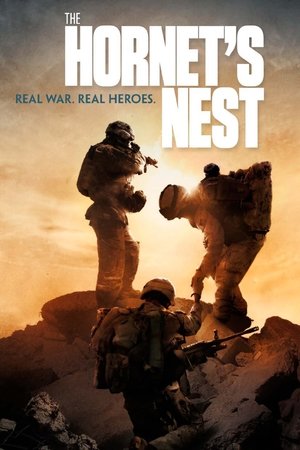
Armed only with their cameras, Peabody and Emmy Award-winning conflict Journalist Mike Boettcher, and his son, Carlos, provide unprecedented access into the longest war in U.S. history: they are embed with U.S. troops during nine days of intense combat in Afghanistan.
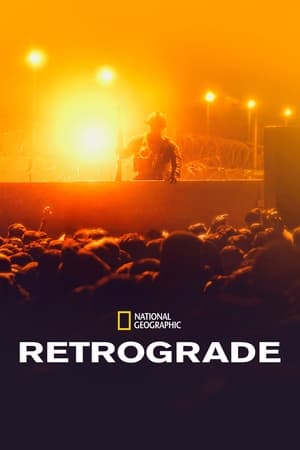
The story of the last months of the 20-year war in Afghanistan through the intimate relationship between American Green Berets and the Afghan officers they trained.
The Soviet Army Prepares for Action in Afghanistan is derived from four shots of a Soviet film called Heirs of Victory (1975) which commemorates the Allied triumph over fascism in World War II. The original film celebrates the military might of the USSR in images of explosions and armed men leaping through flames. These images are subjected to such thorough manipulation that they become patterns flickering like a multitude of abstract paintings, with digital smears standing in for squeegee marks and brush strokes. Slowly the shots become less abstract until they are completely recognizable, though still somehow rather surreal.
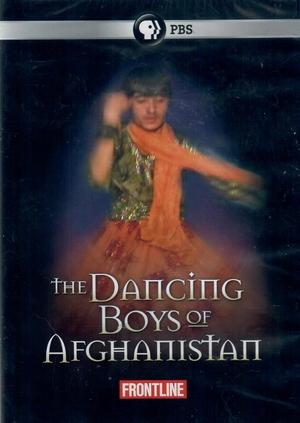
In Afghanistan many hundreds of boys, often as young as ten, are being lured off the streets on the promise of a new life.
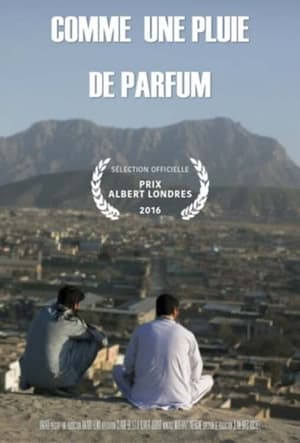
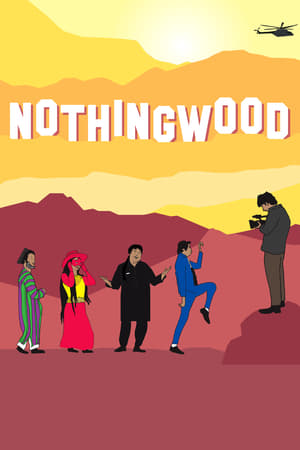
Five Afghan men try to reach Europe. The filmmakers followed them for over six months, filming their clandestine journey and chronicling a migration combining fantasy and stark reality, setbacks and achievements, in the midst of the dangers of such trips.
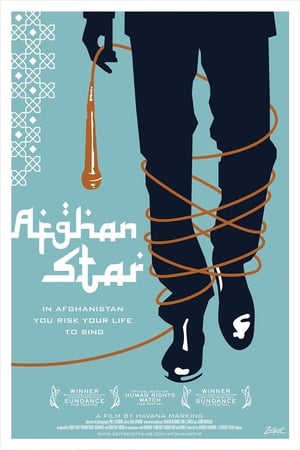
This documentary on the effect the talent competition "Afghan Star" has on the incredibly diverse inhabitants of Afghanistan affords a glimpse into a country rarely seen. Contestants risk their lives to appear on the television show that is a raging success with the public and also monitored closely by the government.
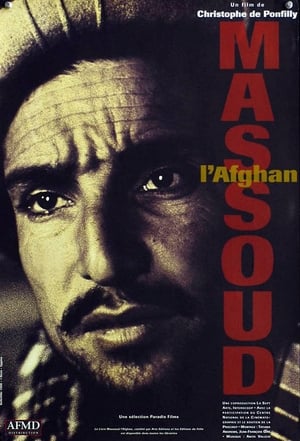
The friendship between Christophe de Ponfilly and Commander Massoud, a legendary figure of the Afghan resistance against the Soviet invader, goes back to the filmmaker's first film, "A Valley Against an Empire", made in 1981. Fifteen years later, weakened, isolated, betrayed by many of his own, the "Lion of Panshir" has not surrendered to his new and implacable enemies, the Taliban. While preparing his next offensive, he evokes his commitment and his fights, and bears witness to a history in which he has been one of the main actors for twenty years. At the same time, the director questions the role and power of the media, as well as his own approach as a filmmaker. Commander Massoud was killed in an attack in September 2001.
16 Days in Afghanistan is a documentary that documents the state of Afghan people after the fall of the Taliban.
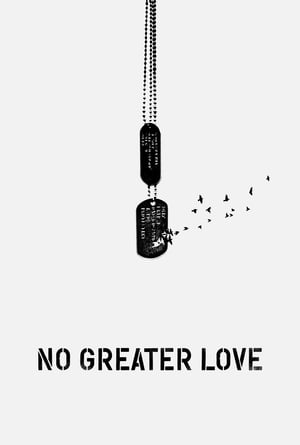
No Greater Love explores a combat deployment through the eyes of an Army chaplain, as he and his men fight their way through a hellish tour in one of the most dangerous places in Afghanistan and then as they struggle to reintegrate home.
"Inside the Talibans" - What will happen if the Talibans return to power? Swedish journalist Magda Gad travels the Herat and Wardak provinces of Afghanistan to meet with the Taliban fighters.
French documentarist Sonia Kronlund follows actor and director Salim Shaheen, an Afghan movie star who produced more than 110 low-budget movies in a country devastated by war.
A powerful and poignant film in which families and friends of those who have died fighting in Afghanistan and Iraq talk openly about their loved ones and their grief. Epic in scale and spanning seven years of war, this landmark three-hour film gives a rare insight into the personal impact and legacy of this loss.
This film creates a real-life epic of boyhood and manhood that follows the same individual over 20 years, living in one of the most dangerous countries in the world. When we first meet Mir, he is a mischievous boy of seven living in a cave in central Afghanistan alongside the Buddhas of Bamiyan, two statues that were recently destroyed. For two decades, the film follows the adventures of his life, until, as an adult with a family of his own, he decides to pursue his own career as a news cameraman in Kabul. More than just a personal journey, My Childhood, My Country is an powerful examination of what has – and has not – been achieved in Afghanistan over the past 20 years.
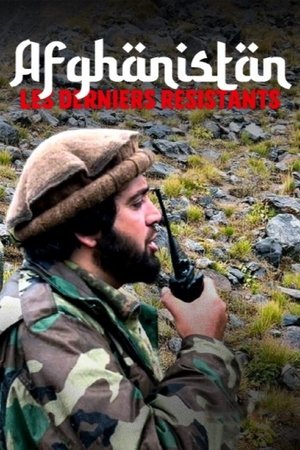
Afghanistan : les derniers résistants
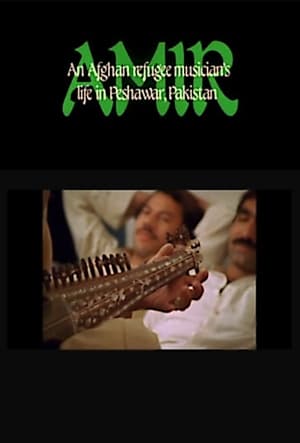
Amir, shot during the height of the Afghan civil war in the 1980s, investigates and portrays the life of Afghan refugees living in and around the city of Peshawar in northern Pakistan through the experiences of the musician Amir. The aspirations of Afghan refugees are expressed through their political songs dealing with the civil war in Afghanistan, with exile, with Afghan nationalism and with the Islamic revolution. In highly charged and tragic circumstances, music can be used in very direct ways, both to promote solidarity and as an agent of catharsis.
In Jaan the filmmaker uses her mother’s forbidden cassettes and dance to tell the stories and show the spirit of Afghan women across generations.
À ciel ouvert
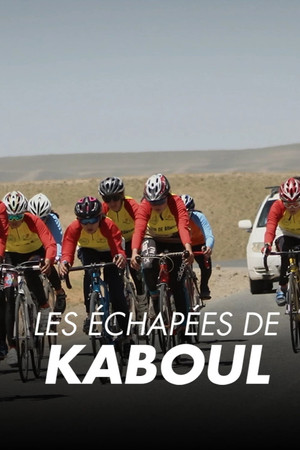
Les échappées de Kaboul
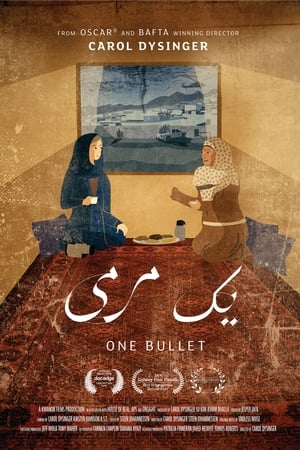
An Afghan mother and a US filmmaker, connected through one stray bullet, forge a surprising friendship amidst America's longest war.