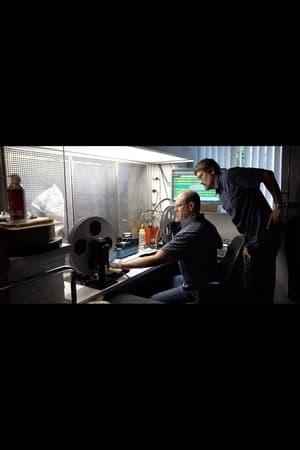
A comprehensive and fascinating behind-the-scenes look at the restoration process of restoring 3-strip Cinerama for the 1962 film "The Wonderful World of the Brothers Grimm".
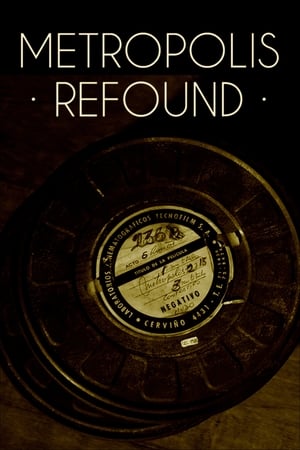
Argentinian film historians find a complete print of Fritz Lang's “Metropolis” (1927) at Buenos Aires Film Museum and take it to Germany for its restoration.
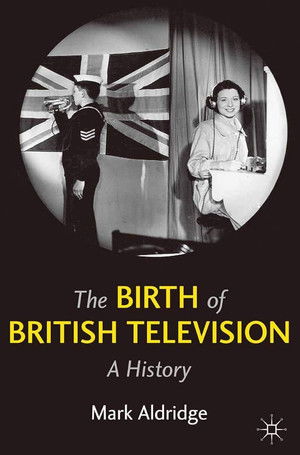
In this feature-length documentary from 1976, Leslie Mitchell and special guests recall the birth of BBC Television forty years before.
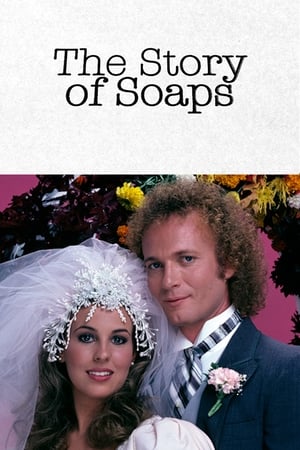
This ABC/PEOPLE television special highlights the impact of the soap opera. In today's shifting television landscape, "The Story of Soaps" traces how female creators migrated from radio to television to become the dominant force in daytime for more than three decades. Today, the legacy of the soap opera continues all over prime time and reality t.v. An extensive look is taken at this iconic, impactful genre.
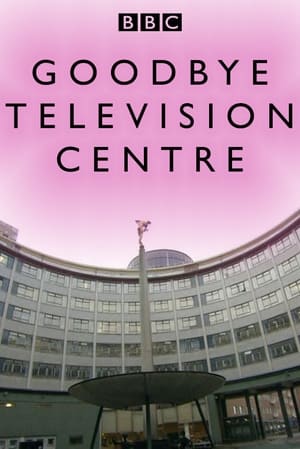
After 53 years Television Centre, the BBC's TV headquarters, is closing its doors and Michael Grade gathers together many of its best-loved faces to stroll down memory lane.
Shows efforts of the Radio Corporation of America (RCA) in the creation, development and introduction of the all-electronic TV system; explains how science made television a working reality.
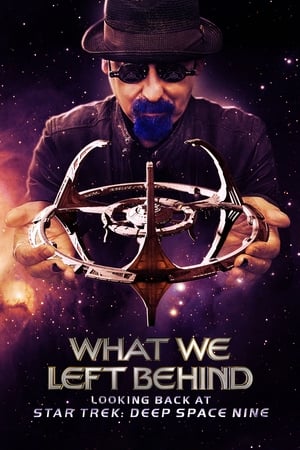
A documentary exploring the legacy of Star Trek: Deep Space Nine, the reasons it went from the black sheep of Star Trek to a beloved mainstay of the franchise, and a brainstorm with the original writers on what a theoretical eighth season of the show could look like.
A documentary exploring the importance of film preservation through the work of the IFI Irish Film Archive
Why are we still able, today, to view images that were captured over 125 years ago? As we enter the digital age, audiovisual heritage seems to be a sure and obvious fact. However, much of cinema and our filmed history has been lost forever. Archivists, technicians and filmmakers from different parts of the world explain what audiovisual preservation is and why it is necessary. The documentary is a tribute to all these professionals and their important work.
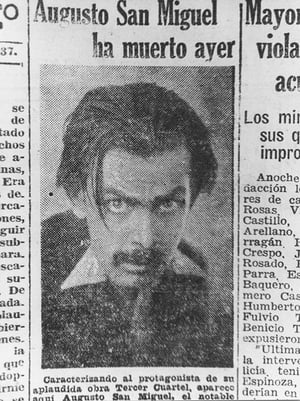
During the 1920's, Augusto San Miguel (1905-1937) directed, produced and starred in the first feature films made in Ecuador. Unfortunately, San Miguel's films -like many episodes of his life- disappeared in time. The only remains are the movie ads on old newspapers and a mysterious legend, by which San Miguel was buried with his films.
A documentary on the Z Channel, one of the first pay cable stations in the US, and its programming chief, Jerry Harvey. Debuting in 1974, the LA-based channel's eclectic slate of movies became a prime example of the untapped power of cable television.
A documentary on Phil Rosenthal's experiences during the making of "Voroniny," the Russian-language version of "Everybody Loves Raymond".
TV special revisiting the documentary series that became a media sensation 50 years ago and birthed a new television genre. Examines the enduring significance of the series, which chronicled seven months in the lives of the Loud family of Santa Barbara, California.
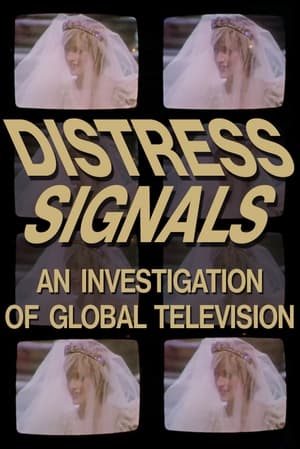
American television programming dominates around the world at the expense of regional cultural voices.
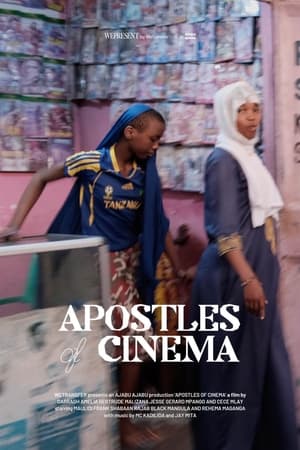
Apostles of Cinema follows Frank, DJ Black, and Rehema — three devoted film workers in Tanzania — as they reintroduce a classic piece of the country’s film history to their audiences of working class cinephiles. We join them, alongside Maangamizi: The Ancient One (2001), on a journey through the labyrinth of informal libraries, studios, and cinemas that exist to keep film and film culture alive. A testament to the profound cultural value of film when made truly accessible.
This John Nesbitt's Passing Parade series short highlights the film preservation efforts of the Museum of Modern Art in New York. Several scenes from early newsreels are shown.
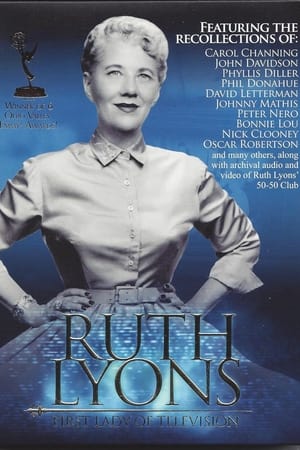
Even though her program was only seen in four Midwestern cities, Ruth Lyons presided over America's highest-rated daytime TV talk show for nearly two decades! This documentary draws upon rare and previously undiscovered footage, along with comments from associates and admirers to create a portrait of an outspoken, multi-talented woman who became one of the most beloved and influential figures in TV history. Featuring the Recollections Of: Carol Channing, John Davidson, Phyllis Diller, Phil Donahue, David Letterman, Johnny Mathis, Peter Nero, Bonnie Lou, Nick Clooney, Oscar Robertson and many others, along with archival audio and video of Ruth Lyons' 50-50 Club.
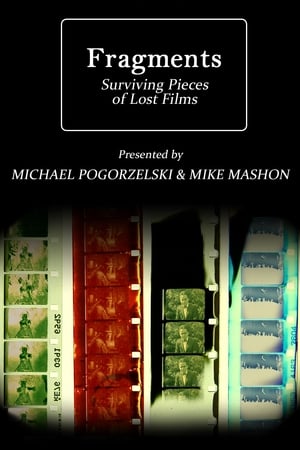
Among the pieces featured in Fragments are the final reel of John Ford's The Village Blacksmith (1922) and a glimpse at Emil Jannings in The Way of All Flesh (1927), the only Oscar®-winning performance in a lost film. Fragments also features clips from such lost films as Cleopatra (1917), starring Theda Bara; The Miracle Man (1919), with Lon Chaney; He Comes Up Smiling (1918), starring Douglas Fairbanks; an early lost sound film, Gold Diggers of Broadway (1929), filmed in early Technicolor, and the only color footage of silent star Clara Bow, Red Hair (1928). The program is rounded out with interviews of film preservationists involved in identifying and restoring these films. Also featured is a new interview with Diana Serra Cary, best known as "Baby Peggy", one of the major American child stars of the silent era, who discusses one of the featured fragments, Darling of New York (1923).
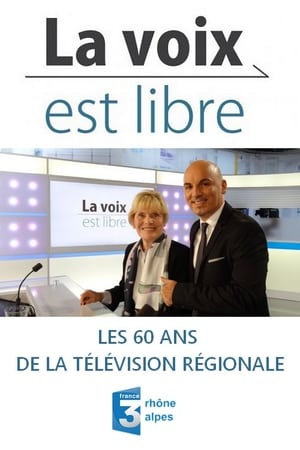
Les 60 ans de la télévision régionale
This documentary short-film follows the story of The White Bus Cinema based in Southend-on-Sea. They keep the process of projecting real celluloid film alive by showing films from their archive of over 3,000 films, ranging from Super 8, 16mm, and 35mm prints. The film argues why it's important to continue the shooting and projection process of film in our current age of digital shooting and projection in modern Hollywood, amidst the chaos of studios removing films from their streaming services.