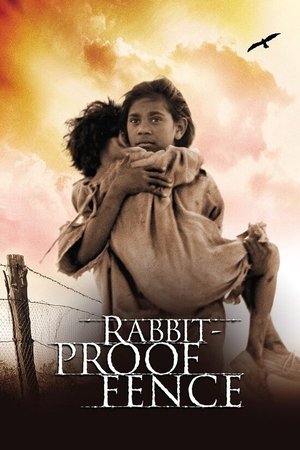
In 1931, three Aboriginal girls escape after being plucked from their homes to be trained as domestic staff, and set off on a trek across the Outback.
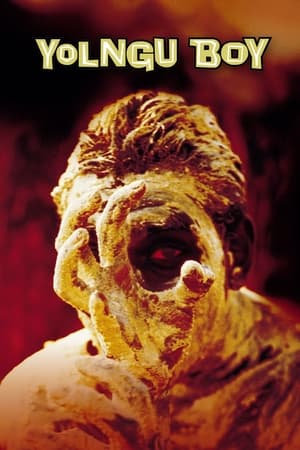
After committing a crime for which he is likely to be jailed, a Yolngu teenager convinces two of his childhood friends to join him on a journey from North East Arnhem Land to Darwin to seek help from a tribal leader.
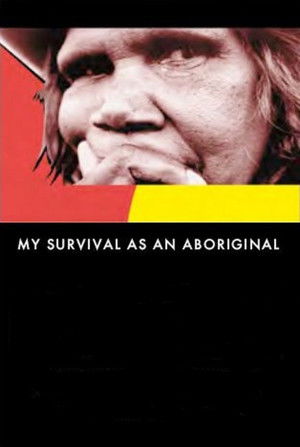
Essie Coffey gives the children lessons on Aboriginal culture. She speaks of the importance of teaching these kids about their traditions. Aboriginal kids are forgetting about their Aboriginal heritage because they are being taught white culture instead.
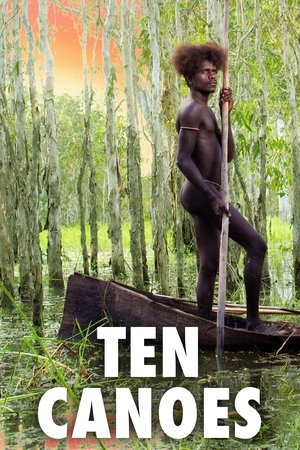
A story within a story within a story. In Australia's Northern Territory, an Aboriginal narrator tells a story about his ancestors on a goose hunt. A youngster on the hunt is being tempted to adultery with his elder brother's wife, so an elder tells him a story from the mythical past about how evil can slip in and cause havoc unless prevented by virtue according to customary tribal law.
Ray Martin goes on a grand quest to locate a mysterious outback rock formation he spotted and photographed from an airliner 37,000 feet in the air.
Svenja and her 16-year-old daughter Kira have traveled the world a lot. Svenja is a hotel manager and is currently bringing an aging hotel in Australia back into shape. But her biggest challenge is her daughter, who has switched to complete refusal and doesn't let Svenja tell her anything anymore. Kira doesn't avoid confrontations at school either, which in turn leads to conflicts with Svenja. After another argument, Kira decides to go to Jack. Jack is Aboriginal and Kira's only friend. Together, the two young people go in search of their “special place”, their own particular locality. Svenja is beside herself with worry when she notices Kira's disappearance and gives chase with Jack's father Kalti, a deeply relaxed hotel boat guide whom Svenja had released two days earlier. An adventurous journey begins in the barren deserted Outback - for Svenja and Kira a strange world, fascinating, but also life-threatening!
In 1929, an Australian Aboriginal stockman kills a white station owner in self-defense and goes on the lam, pursued by a posse.
50 years on, the Aboriginal Tent Embassy is the oldest continuing protest occupation site in the world. Taking a fresh lens this is a bold dive into a year of protest and revolutionary change for First Nations people.
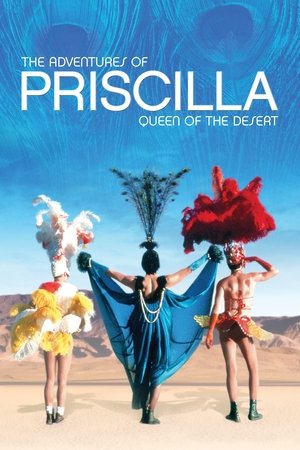
Two drag performers and a transgender woman travel across the desert to perform their unique style of cabaret.
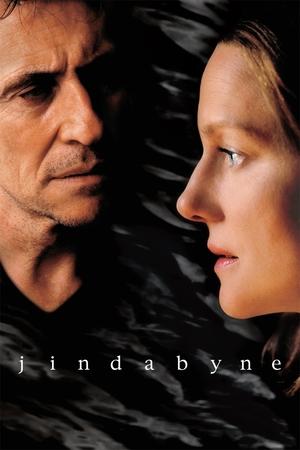
Outside the Australian town of Jindabyne, local man Stuart Kane is on a fishing trip with friends when they discover the body of a murdered girl.
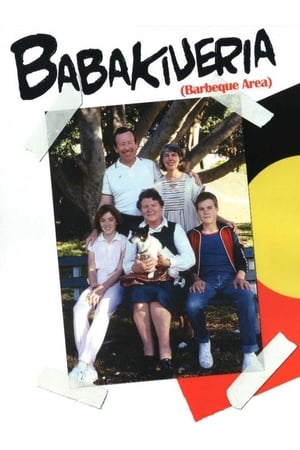
Imagine what it would be like if black settlers arrived to settle a continent inhabited by white natives? In 1788, the first white settlers arrived in Botany Bay to begin the process of white colonisation of Australia. But in Babakiueria, the roles are reversed in a delightful and light-hearted look at colonisation of a different kind. This satirical examination of black-white relations in Australia first screened on ABC TV in 1986 to widespread acclaim with both critics and audiences alike. This is the story of the fictitious land of Babakiueria, where white people are the minority and must obey black laws. Aboriginal actors Michelle Torres and Bob Maza (Heartland) and supported by a number of familiar faces from the time, including Cecily Polson (E-Street) and Tony Barry, who starred in major ABC-TV hits such as I Can Jump Puddles and his Penguin award-winning Scales of Justice. Babakiueria was awarded the United Nations Media Peace Prize in 1987.
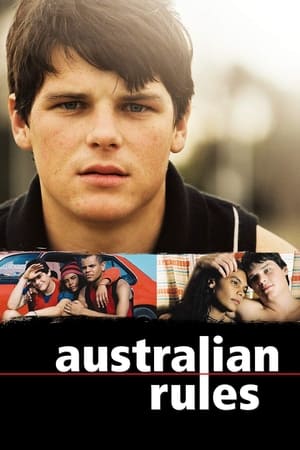
16-year-old Gary Black is an average football player, budding wordsmith and reluctant hero. Gary helps his local Australian Rules football team win the local championship by accident, but celebrations turn to violence when Gary's Aboriginal best friend, Dumby Red is denied the "Best and Fairest" medal because of the racism of local officials.
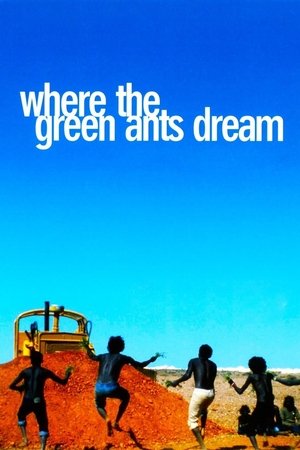
The Australian Aborigines (in this film anyway) believe that this is the place where the green ants go to dream, and that if their dreams are disturbed, it will bring down disaster on us all. The Aborigines' belief is not shared by a giant mining company, which wants to tear open the soil and search for uranium.
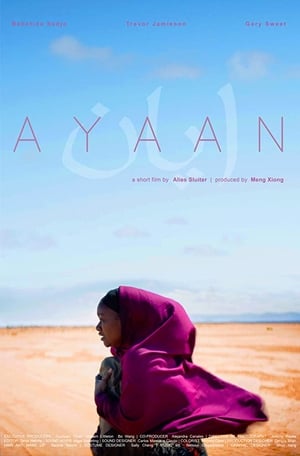
An escaped asylum seeker encounters an Aboriginal man on a remote Australian beach. She must decide whether to trust him or journey on alone.
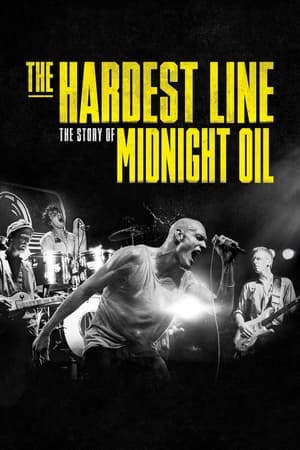
Across a 45-year career ‘The Oils’ helped shape modern Australia with anthems like “US Forces”, “Beds Are Burning” and “Redneck Wonderland”. Featuring unseen footage and interviews with every band member, alongside signature moments including the outback tour with Warumpi Band, their Exxon protest gig in New York and those famous “Sorry” suits at the Sydney Olympics, Midnight Oil: The Hardest Line traces the journey of Australia’s quintessential rock band.
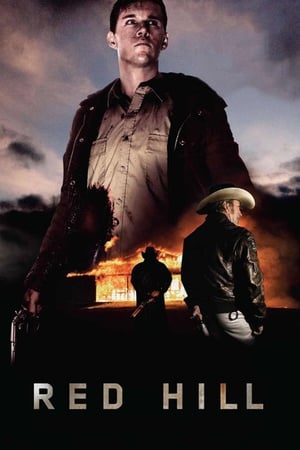
Young police officer Shane Cooper's first day on duty, after relocating to the small town of Red Hill, rapidly turns into a nightmare. News of a prison break, involving convicted murderer Jimmy Conway, sends the local law enforcement officers - led by the town's ruling presence, Old Bill - into a panic and leads to a terrifying and bloody confrontation.
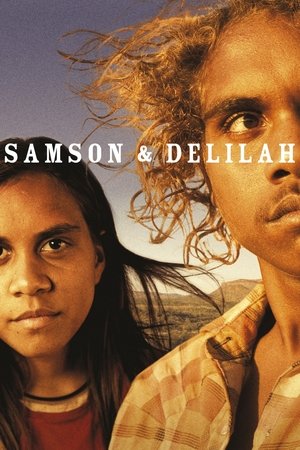
Samson, a cheeky 15-year-old boy, and Delilah, live in an isolated Aboriginal community in the Central Australian desert. The two teenagers soon discover that life outside the community can be cruel. Lost, unwanted and alone they discover that life isn’t always fair, but love never judges.
The story of an Aboriginal family's attempts to forge a new life for themselves within the segregated society. At the urging of headstrong teenager Trilby, the Comeaways relocate from their family camp, to a house in the main town.
They were Australia’s bad days. Men killed other men and laughed. All that was left for the children of the dead was to remember. If they had the strength.
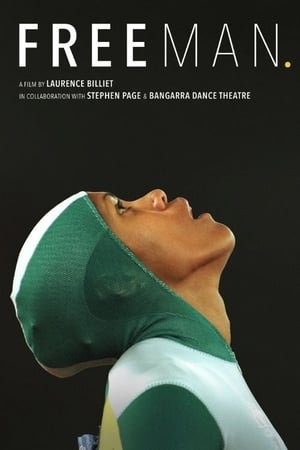
The story of a nation coming together around Indigenous athlete Cathy Freeman who delivered when it mattered on the greatest stage on earth. 20 years on, Freeman sheds light on one of Australia's proudest moments. In 49.11 seconds, Cathy Freeman's win at the 2000 Sydney Olympics brought Australia together as a nation.