The profound story of Lucy Temerlin, a female chimpanzee raised as human from birth in a domestic environment, and Janis Carter, the woman who took on the seemingly impossible task of giving her a new life in the wild.
Sven has a dream. Once in his life he wants to walk the Camino de Santiago - the Way of St. James. But that seems impossible, Sven has Usher syndrome, a disease which slowly, inexorably robs him of hearing and vision. Profoundly deaf and completely blind since 2010, he can only communicate using a special hearing aid in the spoken language.
Experimental Short Film Documentary made during the social outbreak, follows 2 Deaf people walking through the outbreak in Plaza Dignidad.
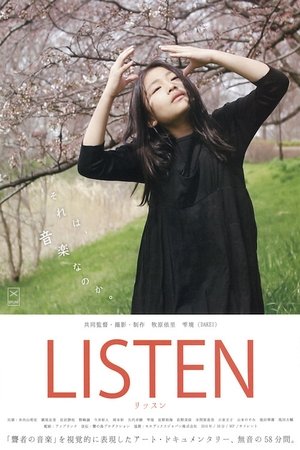
Documentary without audio produced by deaf people. Music is depicted visually with the complete absence of musical instruments or voices. Directed by Makihara Eri and choreographer Dakei. With a diverse lineup including ordinary deaf people with zero acting experience and a choreographer who performs in Japan and abroad, this film pulls out all the tops to give visual expression to music through the physical body. An aging man uses multiple sign language poems to convey the four seasons, and a girl expresses the wind amidst the rustling trees.
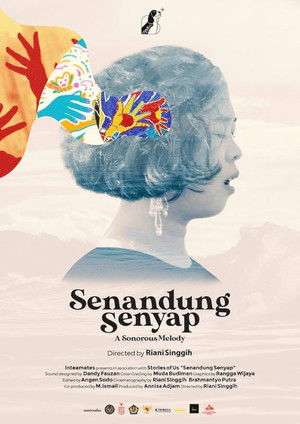
Growing up as a Deaf individual in Indonesia, Mufi was taught to speak instead of sign. As an adult, now she carves her music career to inspire others to express themselves through sign language.
“I love poetry because it makes me feel like my mind expands.” In Regard Silence, that's the very first sentence expressed—in sign language of course. Watching the poems signed by deaf people in this film has a similarly mind-expanding effect. That’s because sign language—the Mexican version in this case—is a very different means of communication than written or spoken language.
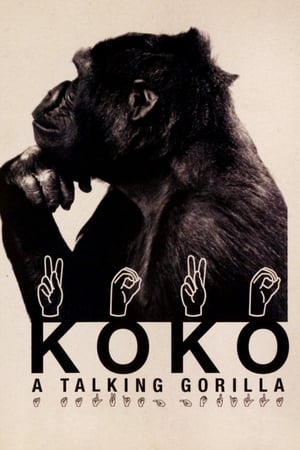
A documentary that follows Dr. Penny Patterson's current scientific study of Koko, a gorilla who communicates through American Sign Language.
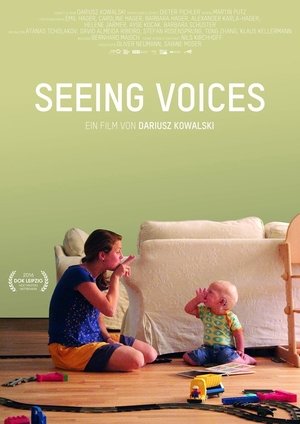
Seeing Voices
Join us on a revealing journey behind-the-scenes of Maya Lopez’s own groundbreaking series. Witness how the production took unprecedented steps to portray the deaf experience, and Native American culture truthfully. Spend time with powerhouse actor Vincent D’Onofrio as he brings the Kingpin to monstrous life once again. All this and more waits to be discovered in "Assembled: The Making of Echo."
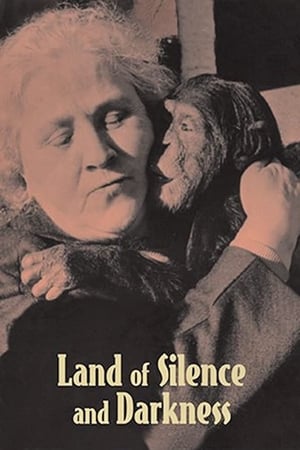
Through examining Fini Straubinger, an old woman who has been deaf and blind since her teens, and her work on behalf of other deaf-blind people, this film shows how the deaf-blind struggle to understand and accept a world from which they are almost wholly isolated.
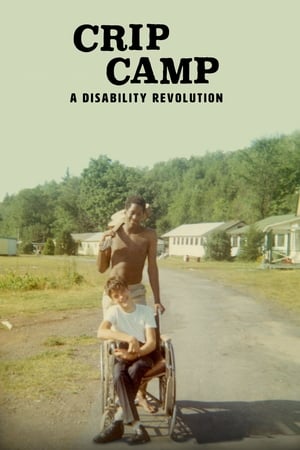
Down the road from Woodstock in the early 1970s, a revolution blossomed in a ramshackle summer camp for disabled teenagers, transforming their young lives and igniting a landmark movement.
This film is a letter to my friend Vincent who died ten years ago. Vincent was Deaf. He introduced me to his language, his culture, his world. Through Vincent ‘s life, the film will examine the roots of the distress that plagues the Deaf, and also explore a rich and fascinating world, a people that struggles to preserve its Sign Language and Culture.
Told almost entirely without spoken words, this film unfolds in the language of its subjects: Guatemalan Sign Language. In a country where more than 850,000 Deaf people receive little institutional support, silence becomes both a barrier and a form of connection. Through classrooms, homes, and everyday life, the film observes a community building its own means of understanding and belonging. Among those leading the way are Melkin, Dairy, and Jonathan, the teachers, students, and leaders within Guatemalan Deaf Ministries, where the language of hands has become the language of hope.
Documentary following Deafinitely Theatre as they translate a classic Shakespeare play for a Deaf audience.
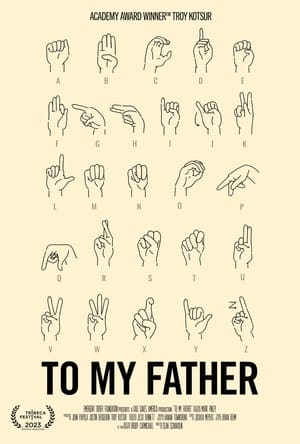
To My Father depicts Deaf actor Troy Kotsur's journey to winning an Oscar and his father's inspiring influence on him, despite a tragic accident.
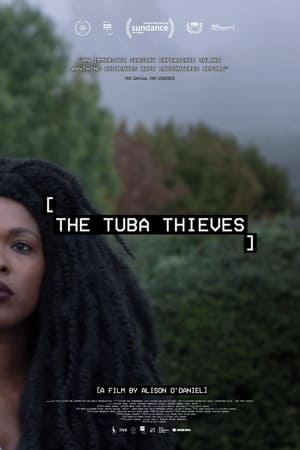
A spate of robberies in Southern California schools had an oddly specific target: tubas. In this work of creative nonfiction, d/Deaf first-time feature director Alison O’Daniel presents the impact of these crimes from an unexpected angle. The film unfolds mimicking a game of telephone, where sound’s feeble transmissibility is proven as the story bends and weaves to human interpretation and miscommunication. The result is a stunning contribution to cinematic language. O’Daniel has developed a syntax of deafness that offers a complex, overlaid, surprising new texture, which offers a dimensional experience of deafness and reorients the audience auditorily in an unfamiliar and exhilarating way.
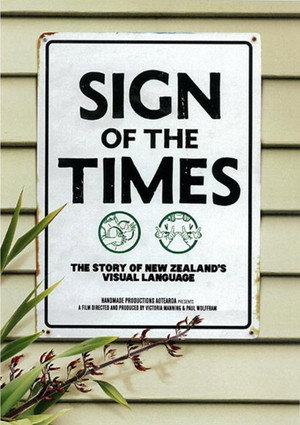
Sign of the Times is the first feature length documentary about New Zealand's Deaf community, their language and culture. It is an inspiring, emotional, and very moving story told straight from the very heart of the Deaf community. I n April 2006 New Zealand Parliament declared New Zealand Sign Language (NZSL) to be an official language - the culmination of a 20-year battle by the deaf community, and a true hallmark in the recognition of their native language. Sign of the Times is about the Deaf New Zealanders who fought to have their language recognised as a real language and as a viable means of communication The film documents the community's celebration of the official recognition of their language and looks at the community's ongoing hopes and aspirations for their language and culture. This is your invitation to take a journey into the Deaf world.
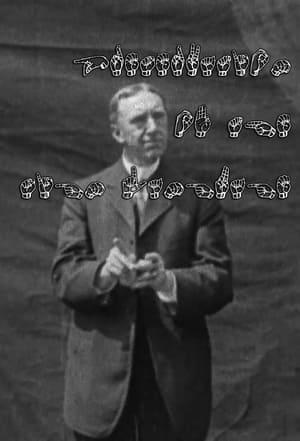
George Veditz, one-time president of the National Association of the Deaf of the United States, outlines the right of deaf people to sign instead of speak. The film is presented in American Sign Language and has no sub- or intertitles.
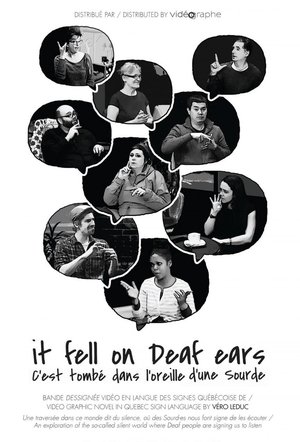
Because Quebec Sign Language cannot be captured on paper, videography has revealed itself to be the best way to represent this visual language. The first ‘comic strip’ in sign language, the film depicts snatches of conversations between various deaf and hearing protagonists. A visit to a silent world, where the hearing impaired ask us to listen to them.
Documentary telling the extraordinary story of Koko, the only 'talking' gorilla in the world, and her lifelong relationship with Penny Patterson. Project Koko started as a PhD project to teach sign language to a baby gorilla, but as Koko began to communicate with Penny, an intense bond formed between them. Penny has now been with Koko for over 40 years and claims Koko can reveal fresh insights into the workings of an animal's mind. Koko's unique life with Penny has been filmed every step of the way. Over 2,000 hours of footage chart the most dramatic moments - Penny's battle to keep Koko from being taken back to the zoo in which she was born, Penny's clash with academic critics who doubted her claims and the image of Koko mourning the death of her kitten.