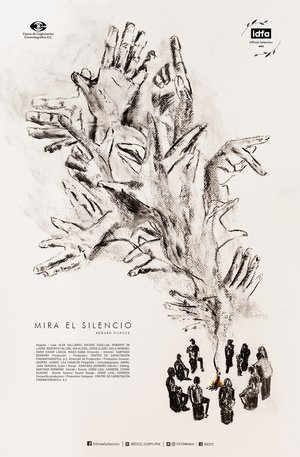
“I love poetry because it makes me feel like my mind expands.” In Regard Silence, that's the very first sentence expressed—in sign language of course. Watching the poems signed by deaf people in this film has a similarly mind-expanding effect. That’s because sign language—the Mexican version in this case—is a very different means of communication than written or spoken language.
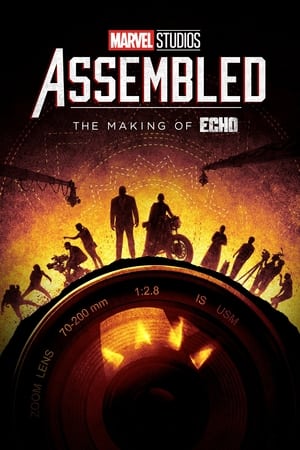
Join us on a revealing journey behind-the-scenes of Maya Lopez’s own groundbreaking series. Witness how the production took unprecedented steps to portray the deaf experience, and Native American culture truthfully. Spend time with powerhouse actor Vincent D’Onofrio as he brings the Kingpin to monstrous life once again. All this and more waits to be discovered in "Assembled: The Making of Echo."
This film is a letter to my friend Vincent who died ten years ago. Vincent was Deaf. He introduced me to his language, his culture, his world. Through Vincent ‘s life, the film will examine the roots of the distress that plagues the Deaf, and also explore a rich and fascinating world, a people that struggles to preserve its Sign Language and Culture.
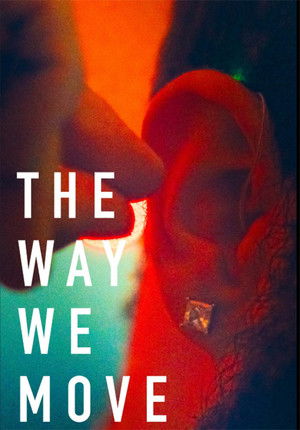
Through intimate stories and day-to-day routines we get a naturalistic glimpse into the lives of individuals with disabilities in the bustling urban landscape of São Paulo. The film captures personal moments and how modern societies confront (or fail to confront) ableism and inclusion.
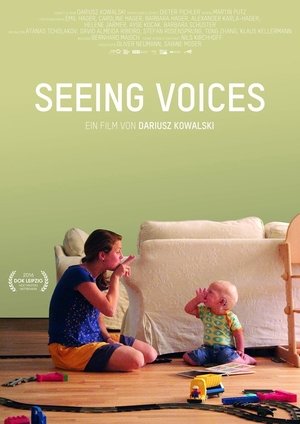
Seeing Voices
L’éloquence des sourds
In his heartfelt documentary, co-director and subject Elad Cohen explores the meaning and experience of family. Growing up deaf and gay in a family of hearing people, Cohen never felt at home and always felt alone. That feeling of estrangement was exacerbated during his adolescence by the sudden death of his mother and the subsequent rift with his father as the family scattered in different directions. Cohen creates a sense of family with a small group of friends, including his best friend, Yaeli, a deaf woman. While he wants a child and a life partner, he fears that he won’t find the right man in the small deaf community in his “sweet little country.” Sharing a desire with Yaeli to be parents, the new “couple” decide to have a child in a shared parenting arrangement.
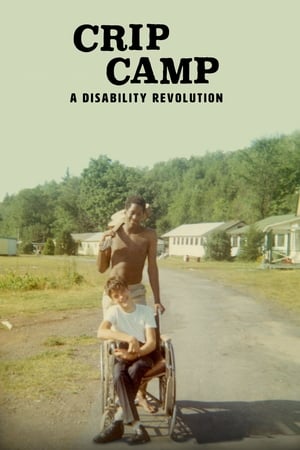
Down the road from Woodstock in the early 1970s, a revolution blossomed in a ramshackle summer camp for disabled teenagers, transforming their young lives and igniting a landmark movement.
With honesty, humour and heart, Deafinition presents the first-hand narrative of Paul and his experiences being deaf. From the physical day-to-day, social interactions, the intricacies of communication and language, the frustrations and challenges we see it all unfold through the inner world of Paul.
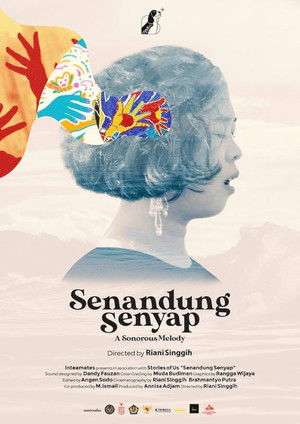
Growing up as a Deaf individual in Indonesia, Mufi was taught to speak instead of sign. As an adult, now she carves her music career to inspire others to express themselves through sign language.
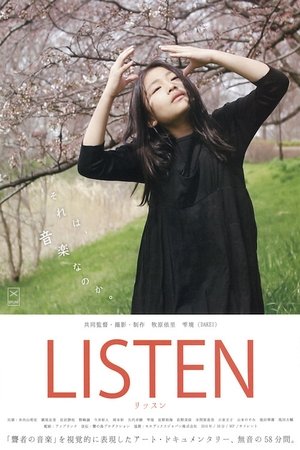
Documentary without audio produced by deaf people. Music is depicted visually with the complete absence of musical instruments or voices. Directed by Makihara Eri and choreographer Dakei. With a diverse lineup including ordinary deaf people with zero acting experience and a choreographer who performs in Japan and abroad, this film pulls out all the tops to give visual expression to music through the physical body. An aging man uses multiple sign language poems to convey the four seasons, and a girl expresses the wind amidst the rustling trees.
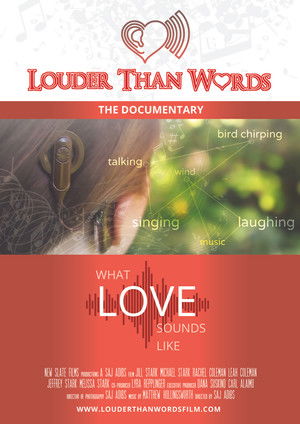
Jill and Michael Stark are both deaf, as are their two children. Stuck between two cultures and wanting the best future for their children, they make the controversial choice for both of their children to undergo surgery for cochlear implants. They are part of only a handful of deaf parents in the US to choose implants for their children. After this seven year journey, was the result of the cochlear implant what they had hoped for?
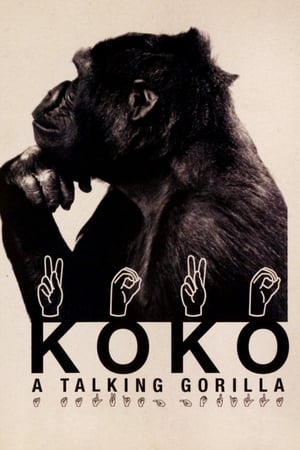
A documentary that follows Dr. Penny Patterson's current scientific study of Koko, a gorilla who communicates through American Sign Language.
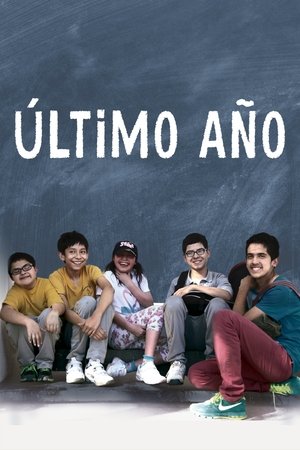
A group of deaf friends that attend a public school, where they have been classmates since the age of two, live their final year together. As the school year advances they get prepared to confront their biggest fear: attending a school of hearers.
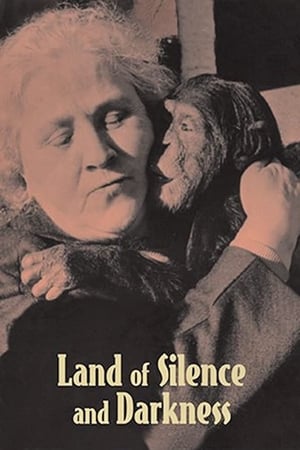
Through examining Fini Straubinger, an old woman who has been deaf and blind since her teens, and her work on behalf of other deaf-blind people, this film shows how the deaf-blind struggle to understand and accept a world from which they are almost wholly isolated.
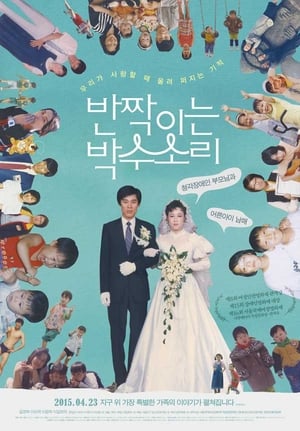
Despite being deaf Sang-kuk never forgets to smile while he makes furniture. Kyung-hee can't hear either but with her natural beauty and outgoing personality, she enjoys her job at a sign language interpretation center. Between them they have hearing daughter Bora who is a director and a son named Kwang-hee. When, after moving eight times since marriage, Sang-kuk wants to move one more time, Kyung-hee opposes him. In filming the silent world of her parents, the director discovers new stories coming from herself, who grew up moving back and forth between two worlds-one of silence and the other of sound.
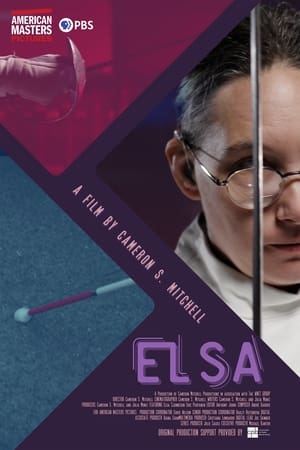
A Deafblind fencer and author competes in all arenas just for the right to be seen.
Amber Galloway, a trailblazer in ASL interpretation, takes us on a journey into the deep bond between the Deaf world and music. We follow her as she teaches struggling recruits who she hopes will have what it takes to join her at ACL music festival.
DEAF IDENTITY explores the diverse and nuanced experiences of Deafness through a series of enlightening conversations with Deaf people who have embraced their own unique identities.
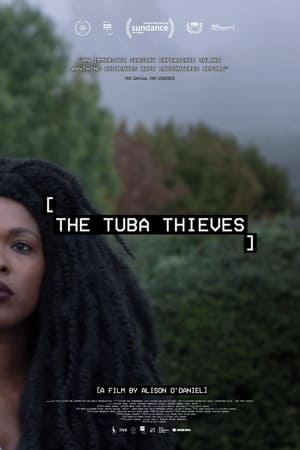
A spate of robberies in Southern California schools had an oddly specific target: tubas. In this work of creative nonfiction, d/Deaf first-time feature director Alison O’Daniel presents the impact of these crimes from an unexpected angle. The film unfolds mimicking a game of telephone, where sound’s feeble transmissibility is proven as the story bends and weaves to human interpretation and miscommunication. The result is a stunning contribution to cinematic language. O’Daniel has developed a syntax of deafness that offers a complex, overlaid, surprising new texture, which offers a dimensional experience of deafness and reorients the audience auditorily in an unfamiliar and exhilarating way.