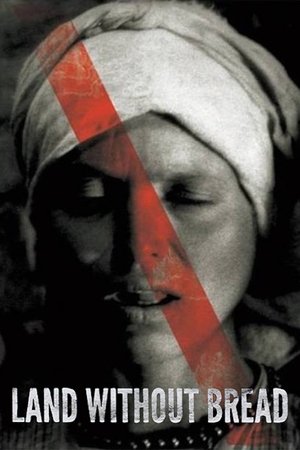
An exploration —manipulated and staged— of life in Las Hurdes, in the province of Cáceres, in Extremadura, Spain, as it was in 1932. Insalubrity, misery and lack of opportunities provoke the emigration of young people and the solitude of those who remain in the desolation of one of the poorest and least developed Spanish regions at that time.
This short documentary shows Canada's top swimmers in training for the 1964 Olympic Games. Under the critical eye of coach Ed Healy, they practice long hours in the gym and in the pool to build strength and stamina.
Woody Allen: la vida y nada más
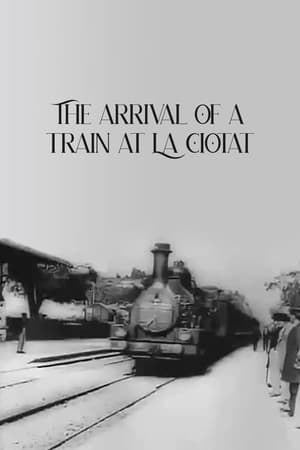
A group of people are standing along the platform of a railway station in La Ciotat, waiting for a train. One is seen coming, at some distance, and eventually stops at the platform. Doors of the railway-cars open and attendants help passengers off and on. Popular legend has it that, when this film was shown, the first-night audience fled the café in terror, fearing being run over by the "approaching" train. This legend has since been identified as promotional embellishment, though there is evidence to suggest that people were astounded at the capabilities of the Lumières' cinématographe.
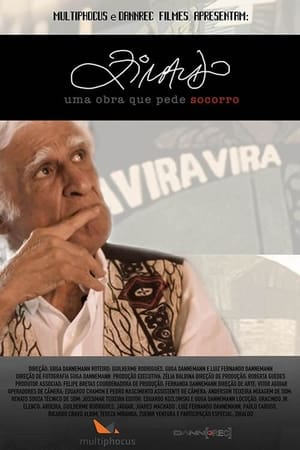
The film seeks to address the risks that Ziraldo's work takes. In a building abandoned ten years ago, the cartoonist's "Santa Ceia", a six-meter-high work painted in 1967, is far from the public and subject to the effects of time
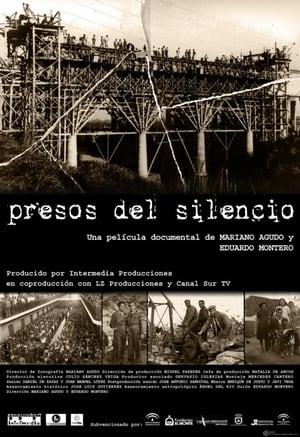
Presos del silencio
Documentary featuring interviews with several of legendary Spanish director Luis Buñuel’s close friends and collaborators.
Stuart Iredale was born with Fragile X during the 1950s; a time when the disability was little know. At 60 years old Stuart was correctly diagnosed.
Documentary portrait of José Domínguez Muñoz, better known as "El Cabrero" (French for "the goatherd"), Spanish libertarian flamenco singer born in Aznalcóllar, province of Seville, in 1944 and filmed over two weeks in 1988 in Seville, Aznalcóllar, La Carbonería de Sevilla and Marinaleda, and in concert at a recital in Bayonne. Politically committed, El Cabrero defines himself as a libertarian. Since the 1970s, he has been close to the anarchist movement. For many years, he was a member of the anarcho-syndicalist Confédération Nationale du Travail.
Documentary presenting the different stages of General de Gaulle's trip to Quebec in 1967, accompanied by extracts from his speeches.
Set in New Brunswick, "Éloge du chiac" takes the form of an open discussion between a young French-language teacher and her students in Moncton. Through their exchanges, Michel Brault examines the challenges of preserving French in a bilingual region where English predominates, and explores the contested status of Chiac, a local French dialect shaped by centuries of linguistic contact.
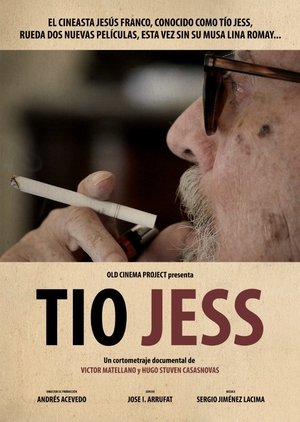
Tío Jess
Documentary film about artist Henri Matisse
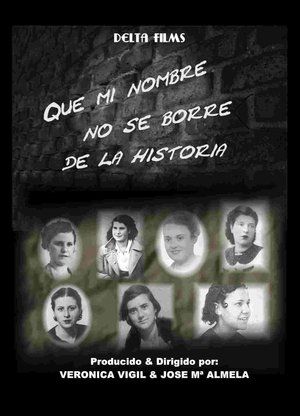
Que mi nombre no se borre de la historia
Bajo el signo libertario is a propaganda documentary, with the script and direction of Les (known for his articles in Solidaridad Obrera and the magazine Espectáculo) whose central theme is the reconstruction of the development of life in a libertarian community in the Aragonese town of Pina de Ebro.
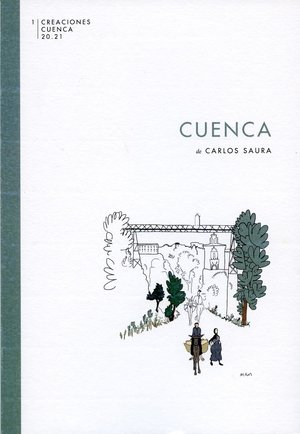
A medium-length documentary commissioned by the Cuenca City Council. The documentary shows an honest, sincere, although sometimes mere tourist portrait, of the lands of Cuenca and its people, without artifice or imposture, with feeling and authenticity and at the same time with marked coldness.
The latest installment of "The Happy Birthday Project" takes REVOLT to the Bay for Mario Woods Remembrance Day, in honor of the 26-year-old shot 21 times by police.
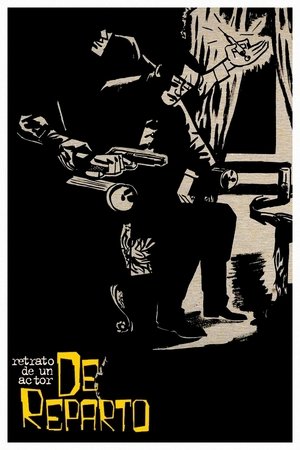
De reparto: retrato de un actor
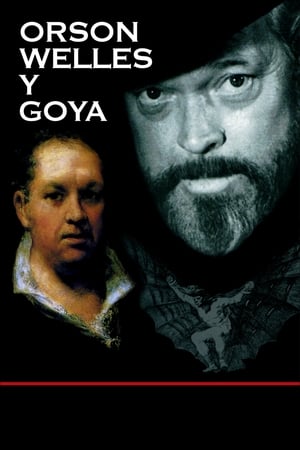
Orson Welles y Goya
The memory lives on in Yukio Saeki's memory. At 83 years old, he still hears the echo of the sea in Japan, near Hiroshima, and the atomic bomb falling from the sky.